As we move further into 2026, the landscape of preventive healthcare is undergoing a seismic shift. For decades, colorectal cancer was viewed almost exclusively as a disease of the elderly, a condition that only required attention once a person reached their golden years. However, groundbreaking data released this week by the American Cancer Society (ACS) has sent a clear and urgent message to the medical community and the public alike: the face of this disease is changing rapidly.
The “Colorectal Cancer Statistics 2026” report reveals a startling new reality. Nearly 50% of all new colorectal cancer cases are now diagnosed in adults younger than 65 years old. Specifically, the data shows that 45% of new diagnoses fall within this younger demographic, a massive jump from just 27% in 1995. This trend represents more than just a statistical anomaly; it is a public health crisis that demands a total re-evaluation of how we approach screening, symptoms, and lifestyle choices in early adulthood.
The Changing Face of a Global Epidemic
For those following daily health updates, the news on March 4, 2026, highlights a troubling divergence. While incidence rates continue to drop among adults aged 65 and older (thanks largely to high screening compliance), the opposite is happening for younger generations. Since the mid-2000s, colorectal cancer rates have been climbing by about 1% to 2% annually in people under 50. Even more concerning is that for adults in this age group, colorectal cancer has officially become the number one cause of cancer-related mortality.
This shift is not limited to a specific region. Research published in early 2026 in the “Journal of the American Medical Association” (JAMA) and the “Harvard Gazette” confirms that this is a global phenomenon, particularly in high-income nations. Countries from Ireland to Australia are reporting similar upticks in what is now termed “early-onset colorectal cancer” (EOCRC). The medical community is currently racing to understand why a disease once associated with aging is now aggressively targeting people in their 30s, 40s, and 50s.
Why the Under 65 Demographic is at Risk
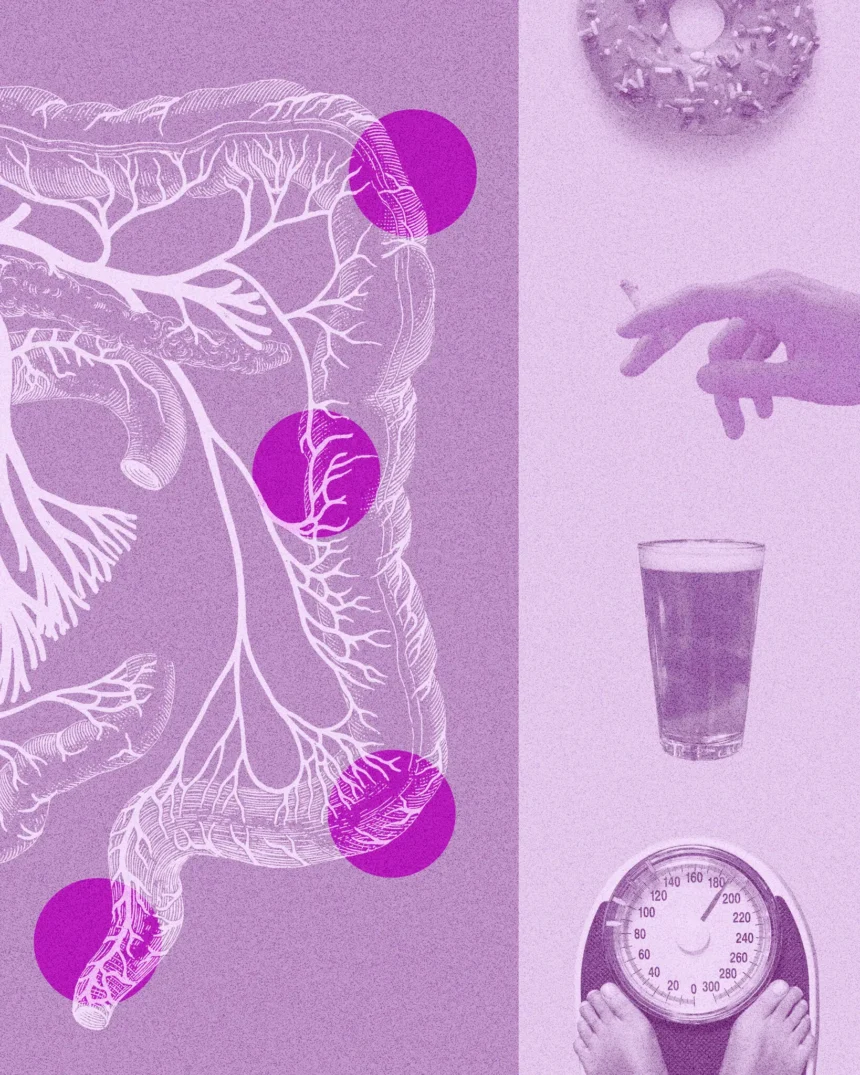
Experts are focusing on a combination of environmental, lifestyle, and biological factors to explain this trend. The “Western diet,” characterized by high intake of ultra-processed foods, red meats, and sugary beverages, is a primary suspect. These dietary patterns are known to cause chronic inflammation in the gut and alter the delicate balance of the gut microbiome.
Current research into the microbiome suggests that certain bacterial strains may be more prevalent in younger patients with colorectal cancer, potentially triggering the development of polyps much earlier than expected. Additionally, the rise in sedentary lifestyles and obesity rates over the last thirty years correlates closely with the rising cancer figures. However, what is most puzzling to researchers is that even “healthy” younger adults without traditional risk factors are being diagnosed at higher rates, suggesting that early-life exposures or environmental toxins may also play a significant role.
Identifying Symptoms That Younger Adults Often Ignore
One of the greatest challenges in treating younger patients is the delay in diagnosis. Because many people under 50 do not expect to have a serious gastrointestinal malignancy, they often dismiss symptoms as “hemorrhoids” or “stress-induced IBS.” According to clinical reports from the “Colorectal Cancer Alliance,” 3 in 4 adults under 50 are diagnosed at an advanced stage (Stage III or IV), simply because the cancer had more time to grow undetected.
It is vital to recognize the red flags immediately. Persistent changes in bowel habits, such as diarrhea or constipation that lasts more than a few days, should never be ignored. Rectal bleeding or blood in the stool, even if it appears bright red and temporary, requires a medical consultation. Other symptoms include persistent abdominal pain or cramping, unexplained weight loss, and fatigue caused by iron-deficiency anemia. In the current 2026 medical climate, the advice is clear: if you are young and experiencing these symptoms, do not let a doctor tell you that you are “too young for colon cancer.”
The Screening Revolution: Why 45 is the New 50
In response to these rising numbers, the official screening guidelines were lowered from age 50 to 45 in recent years. Despite this change, the uptake among the 45 to 49 age group remains disappointingly low. Recent data from “UCLA Health” indicates that only about 37% of eligible adults in this bracket have completed their recommended screenings.
Screening is the most powerful tool available because it can actually prevent cancer. During a colonoscopy, a gastroenterologist can identify and remove precancerous polyps before they ever have the chance to turn into a malignancy. For those who are hesitant about invasive procedures, there are now highly accurate at-home stool-based tests, such as FIT (Fecal Immunochemical Test) or MT-sDNA tests. However, it is important to remember that if an at-home test returns a positive result, a follow-up colonoscopy is mandatory to ensure a thorough investigation of the colon.
Innovations in Treatment and Technology in 2026
The year 2026 has brought several breakthroughs in how we treat this disease, especially for younger patients who may have more aggressive tumor profiles. We are seeing a move toward “precision oncology,” where treatments are tailored to the specific genetic mutations of a tumor.
For instance, the use of circulating tumor DNA (ctDNA) is becoming a standard part of post-surgical care. This technology allows doctors to detect microscopic amounts of cancer DNA in the blood, helping them decide which patients truly need chemotherapy and which can safely avoid it. Furthermore, new clinical trials, such as the “BREAKWATER” and “ATOMIC” trials, are showing incredible results using immunotherapy combinations for patients with specific biomarkers like MSI-High or BRAF mutations. The development of “off-the-shelf” cancer vaccines targeting common mutations like KRAS is also a major highlight of 2026 research, offering hope for long-term remission in advanced cases.
Actionable Prevention Strategies for the Modern Era
While we cannot control our genetics, we can take significant steps to reduce our individual risk. The “World Health Organization” (WHO) emphasizes that more than half of colorectal cancers are attributable to modifiable risk factors.
First and foremost is dietary fiber. Consuming a diet rich in whole grains, fruits, vegetables, and legumes helps maintain a healthy gut environment and speeds up the transit of waste through the colon. Reducing the consumption of processed meats, like bacon and deli meats, is equally critical, as these have been classified as Group 1 carcinogens. Physical activity is another pillar of prevention. Even 30 minutes of moderate exercise five days a week can significantly lower the risk of various cancers by reducing systemic inflammation and improving metabolic health. Finally, knowing your family history is paramount. If you have a first-degree relative who was diagnosed with colorectal cancer, you likely need to start screening even earlier than age 45.
A Call to Vigilance
The fact that almost 50% of colorectal cancer cases now affect adults under 65 is a wake-up call for our entire society. We can no longer afford to think of this as an “old person’s disease.” By increasing awareness of symptoms, advocating for earlier screening, and making conscious lifestyle choices, we can begin to reverse these troubling trends.
If you or someone you love is approaching the age of 45, or if you are experiencing any of the symptoms mentioned above, schedule a conversation with a healthcare provider today. Early detection is not just a clinical term; it is the difference between a treatable condition and a life-threatening one. In 2026, we have the tools, the technology, and the knowledge to beat this disease, but it requires every one of us to be proactive about our health.
Sources and Further Reading
For those who wish to dive deeper into the data and research mentioned in this article, please refer to the following authoritative resources:
- American Cancer Society (ACS): “Colorectal Cancer Statistics, 2026” – https://www.cancer.org/research/cancer-facts-statistics/colorectal-cancer-facts-figures.html
- World Health Organization (WHO): “Colorectal Cancer Fact Sheet 2026” – https://www.who.int/news-room/fact-sheets/detail/colorectal-cancer
- Colorectal Cancer Alliance: “New Data on Colorectal Cancer Mortality in Young Adults” – https://colorectalcancer.org/article/new-data-shows-colorectal-cancer-deadliest-cancer-adults-under-50
- UCLA Health Research: “Advancements in Colorectal Cancer Prevention and Screening” – https://www.uclahealth.org/news/article/look-latest-progress-colorectal-cancer-prevention-and
- Journal of the American Medical Association (JAMA): “Global Trends in Early-Onset Colorectal Cancer” – https://jamanetwork.com/journals/jama