


The uterus’ immune system can regenerate after transplantation, study shows


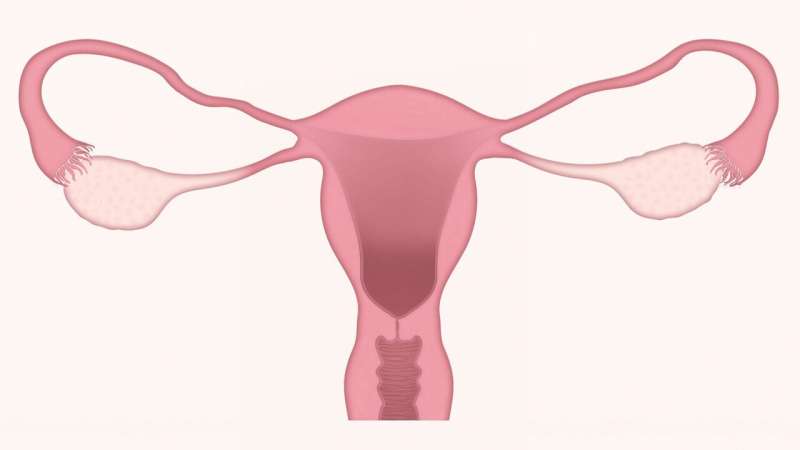
The immune system in the uterus can regenerate after both uterus transplantation and bone marrow transplantation. This is shown by a new study from Karolinska Institutet. The new insights into how the uterine immune environment functions may be significant for the treatment of infertility and complications during pregnancy. The research, “Reconstitution of the uterine immune milieu after uterus or hematopoietic stem cell transplantation” is published in Science Translational Medicine.
The immune system of the uterus plays an important role in fertility and a healthy pregnancy. Researchers at Karolinska Institutet have investigated how the immune system is affected after two types of transplantation: uterus transplantation and bone marrow transplantation.
The results show that new immune cells can migrate into the uterine lining, find the correct location, and adopt the same characteristics as in healthy individuals, both at transcriptomic, protein, and tissue level. This means that the immune system in the uterus can regenerate.
“An unexpected finding was that stem cells from male donors could also establish a functioning immune environment in the uterus. Furthermore, we observed that the immune system was rebuilt despite the drug tacrolimus, which normally suppresses the immune system,” says Professor Niklas Björkström, at the Department of Medicine, Huddinge.
Changing view of specialized immune cells in uterus
The researchers studied women after uterus transplantation and women who had regained ovarian function after bone marrow transplantation, using advanced methods such as single-cell RNA sequencing and flow cytometry to map the origin and characteristics of the cells. Advanced image analysis was used to determine how the cells were positioned in the tissue.
The results change the understanding of how specialized immune cells in the uterus arise and are maintained.
Opportunities to develop better treatments
“This knowledge is central to understanding fertility, pregnancy complications, and recovery after transplantation. It gives us the opportunity to develop better treatments for involuntary childlessness, post-transplantation, and for diseases where the uterine immune system plays a role,” says Björkström.
The next step in the research is to find out which signals guide immune cells to the correct location and make them tissue-bound, how this is affected by the menstrual cycle and pregnancy, and how the process is influenced by infertility and pregnancy complications.
Publication details
Benedikt Strunz et al, Reconstitution of the uterine immune milieu after uterus or hematopoietic stem cell transplantation, Science Translational Medicine (2026). DOI: 10.1126/scitranslmed.adp2583. www.science.org/doi/10.1126/scitranslmed.adp2583
Journal information:
Science Translational Medicine
Key medical concepts
Clinical categories
Obstetrics & gynecologyReproductive healthAllergy and immunologyPregnancy
The uterus’ immune system can regenerate after transplantation, study shows (2026, March 12)
retrieved 12 March 2026
from https://medicalxpress.com/news/2026-03-uterus-immune-regenerate-transplantation.html
part may be reproduced without the written permission. The content is provided for information purposes only.
📰 This article was curated and published by
HEALTH GUIDANCE HUB
— your trusted source for the latest health news, medical research, and wellness guidance.
Visit us at https://healthguidancehub.space/ for more health insights.
