
Kent meningitis outbreak may have peaked
Spread appears to have slowed, with just two new cases reported in past day bringing total to 29
The Kent meningitis outbreak may have reached its peak after only two new cases were reported by officials on Friday.
The UK Health and Security Agency said that as of 12.30pm on Thursday, there were 18 confirmed and 11 probable cases of meningitis linked to the Kent outbreak, taking the total number of people with the disease to 29. Of the confirmed cases, 13 were meningitis B.
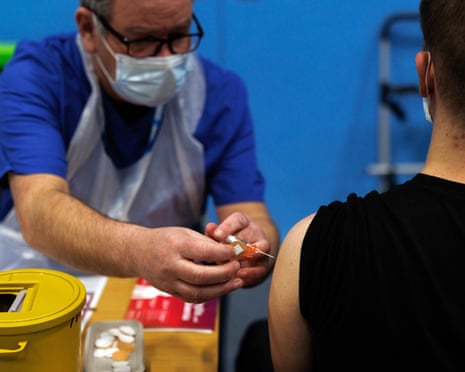
While the growth in cases may have slowed, the situation remains serious, with all cases requiring hospital admission. As of 5pm on Thursday, 2,360 vaccinations had been given and 9,840 doses of antibiotics handed out to those affected by the outbreak, UKHSA said.
Prof Robin May, the chief scientific officer of the UKHSA, said experts were still trying to work out if the meningitis B bug in this outbreak had become more transmissible, given that usually there was typically only one new case of meningitis a day.
He told Times Radio: “We’ve been working around the clock since the discovery of this outbreak to try and understand more about it, including doing DNA sequencing, genome sequencing for this strain. That analysis is extremely complex. The genome for this bacteria is about 100 times bigger than Covid so it’s a lot more complicated.
“So it will take us some time to analyse that, but we are very much focusing our attention on whether anything has changed in the bacteria that might make it more likely to spread or cause disease.”
UKHSA said initial genetic analysis had showed “the Bexsero vaccine currently being offered in Kent should provide protection against the type of MenB in this outbreak”.
It said: “The strain belongs to a group of bacteria known as group B meningococci, sequence type 485 belonging to the larger clonal complex ST-41/44. Similar strains have been circulating in the UK for around five years but detailed analysis of the outbreak pathogen is required.”
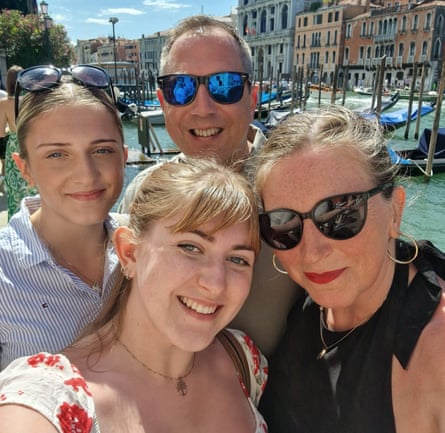
The news comes as the family of a teenager who died from the disease described their “immeasurable loss”.
Juliette Kenny died on 14 March, one day after developing symptoms, which were vomiting and discoloration in her cheeks, according to her father, Michael Kenny.
“No family should experience this pain and tragedy,” he said, adding that he wanted his daughter’s legacy to be “lasting change”. The family is now campaigning for teenagers and young people to be routinely given access to the meningitis B vaccination.
Asked if similar outbreaks could happen again, May said: “Well obviously, that’s something we’re very conscious of.”
He said: “We’ll be mindful both of the possibility of this particular strain, for example, re-emerging in the future, but also general principles that we’ll learn about the bacteria. As with all pathogens, there’s always much more we can learn, and by learning more about how they work, we hope to develop better ways to prevent them causing disease in the future.”
Responding to the latest figures, Paul Hunter, a professor in medicine at Norwich Medical School, University of East Anglia, said that with an incubation period of up to 10 days, “we can be fairly certain that the peak from the initial super-spreading event will have already passed”, though there could still be secondary cases among people who did not attend the nightclub but caught it from someone who did.
Dr Michael Head, a senior research fellow in global health at the University of Southampton, said: “Given the extent of contact tracing from public health teams, and the widespread publicity, it is plausible that we are seeing the tail end of this outbreak.
“The strain appears to have good coverage from the MenB vaccination, so this is also reassuring.”
Brendan Wren, a professor of microbial pathogenesis at the London School of Hygiene & Tropical Medicine (LSHTM), said the genetic analysis “suggests that the strain has not mutated into a more invasive strain”, though the full genome sequence would need to be studied to definitively confirm this.
📰 This article was curated and published by
HEALTH GUIDANCE HUB
— your trusted source for the latest health news, medical research, and wellness guidance.
Visit us at https://healthguidancehub.space/ for more health insights.