


Most Americans donât know this food raises colon cancer risk
- Date:
- March 25, 2026
- Source:
- Physicians Committee for Responsible Medicine
- Summary:
- Nearly half of Americans donât know that processed meat increases colorectal cancer risk, according to a new poll. But once they learn the connection, most support warning labelsâsuggesting people want clearer information. Experts warn that awareness is lagging even among healthcare providers. The good news: diets rich in plant foods and fiber, along with healthy habits, can dramatically lower risk.
- Share:
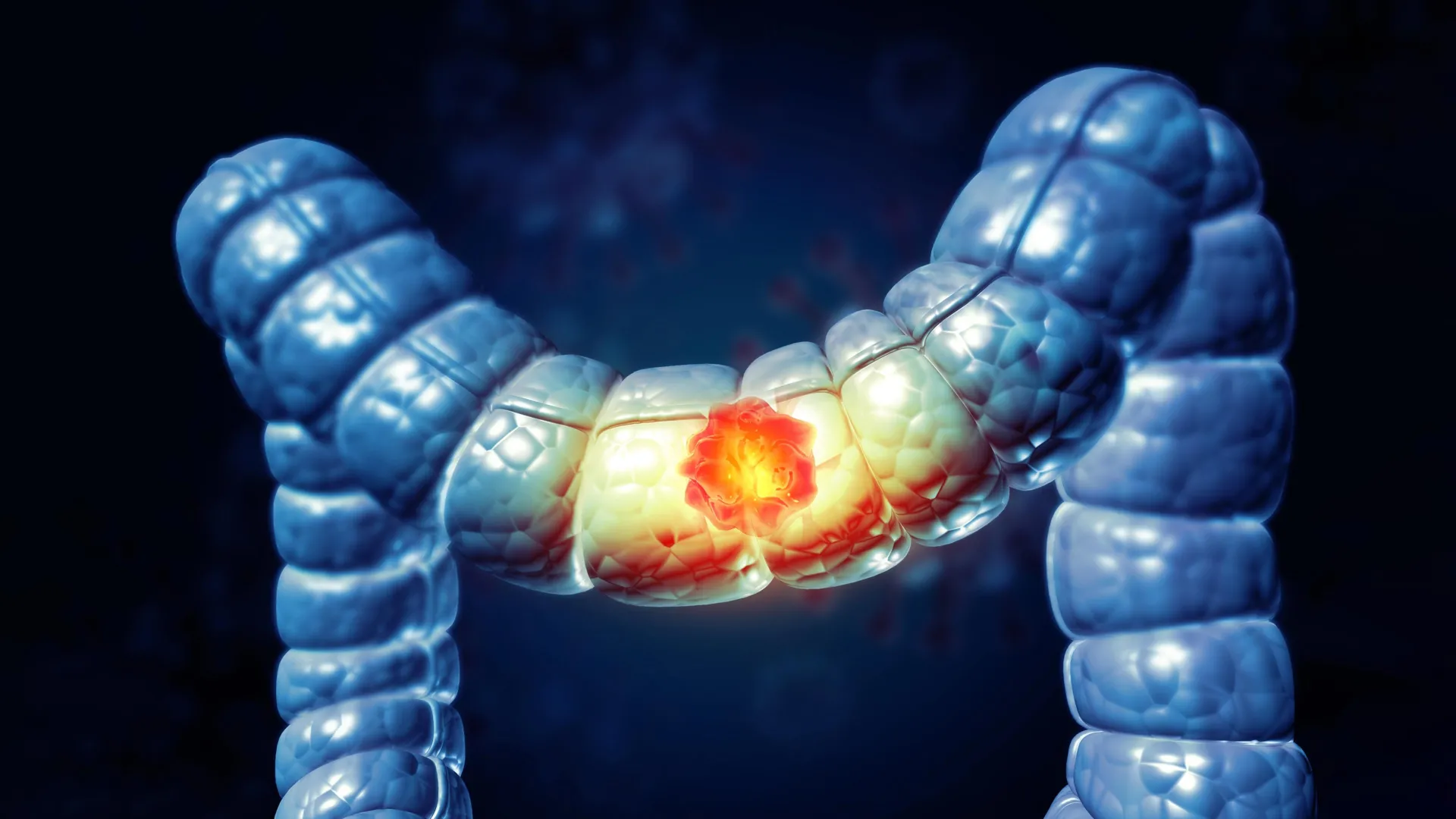
March is National Colorectal Cancer Awareness Month, and a new poll from the Physicians Committee for Responsible Medicine and Morning Consult highlights a major knowledge gap. Nearly half of Americans do not realize that eating processed meat is linked to a higher risk of colorectal cancer.
The survey, conducted among 2,202 U.S. adults from Feb. 9 to 11, 2026, also found that awareness can quickly shift opinions. After learning about the connection, about two-thirds of respondents said they would support warning labels on processed meat products to highlight the cancer risk.
Rising Colon Cancer Rates in Younger Adults
“In light of colorectal cancer now being the leading cause of cancer deaths in adults under 50, it’s concerning that so many people still don’t know about the strong connection between eating processed meat and the risk of developing colorectal cancer,” said Joseph Barrocas, MD, an internal medicine specialist from Huntersville, N.C.
At the same time, Dr. Barrocas noted that the findings are encouraging because they show people are open to learning more about the risks.
Lack of Awareness in Health Care Conversations
The poll also found that only about one in three adults recall receiving information from a health care professional about the link between processed meat and colon cancer.
“More health care practitioners have to be educated about the link between diet and colorectal cancer,” Dr. Barrocas said, “and in addition to recommending screening, discuss with patients the protective benefits of a diet rich in fruits, vegetables, grains, and beans.”
Research Shows Diet and Lifestyle Can Lower Risk
Scientific evidence points to several ways people can reduce their risk of colorectal cancer.
- People who follow a plant-based diet have been shown to have a 22% lower risk of developing colorectal cancers compared with those who eat an omnivorous diet. This may be because plant foods like fruits, vegetables, whole grains, and legumes contain phytochemicals that help protect against cancer.
- Maintaining a healthy weight, limiting alcohol, and staying physically active are also linked to a lower risk of colorectal cancer.
- Fiber — or the roughage that gives plant foods their bulk — helps protect against colorectal cancer. One study found that individuals with the highest fiber intake had a 72% lower risk of developing colon polyps, which can be precursors to colorectal cancer, compared with those who consumed the least. A high-fiber diet supports intestinal health and helps food move more quickly through the digestive system.
Fiber Intake and Simple Food Choices
“Research shows that for every 10 grams of fiber we eat each day, we can lower our colorectal cancer risk by up to 10%,” said Anna Herby, DHSc, RD, CDE, nutrition education specialist for the Physicians Committee. “Simple ways to get that in include eating a little over a cup of raspberries, 2 tablespoons of chia seeds, or two-thirds cup of black beans.
In March, the Physicians Committee’s Food for Life plant-based nutrition and cooking class program — developed by doctors and dietitians — is offering classes online and across the United States to help people learn how diet can play a role in cancer prevention.
Story Source:
Materials provided by Physicians Committee for Responsible Medicine. Note: Content may be edited for style and length.
Cite This Page:
📰 This article was curated and published by
HEALTH GUIDANCE HUB
— your trusted source for the latest health news, medical research, and wellness guidance.
Visit us at https://healthguidancehub.space/ for more health insights.
