


A promising fatty liver treatment may raise cancer risk
- Date:
- March 23, 2026
- Source:
- Adelaide University
- Summary:
- A surprising new study reveals that blocking a supposedly protective enzyme, Caspase-2, could actually backfireâraising the risk of chronic liver damage and cancer over time. Researchers found that without this enzyme, liver cells grow abnormally large and accumulate genetic damage, leading to inflammation, scarring, and eventually tumors, especially with age. While inhibiting Caspase-2 may offer short-term benefits, such as reducing fatty liver disease, the long-term consequences appear dangerous.
- Share:
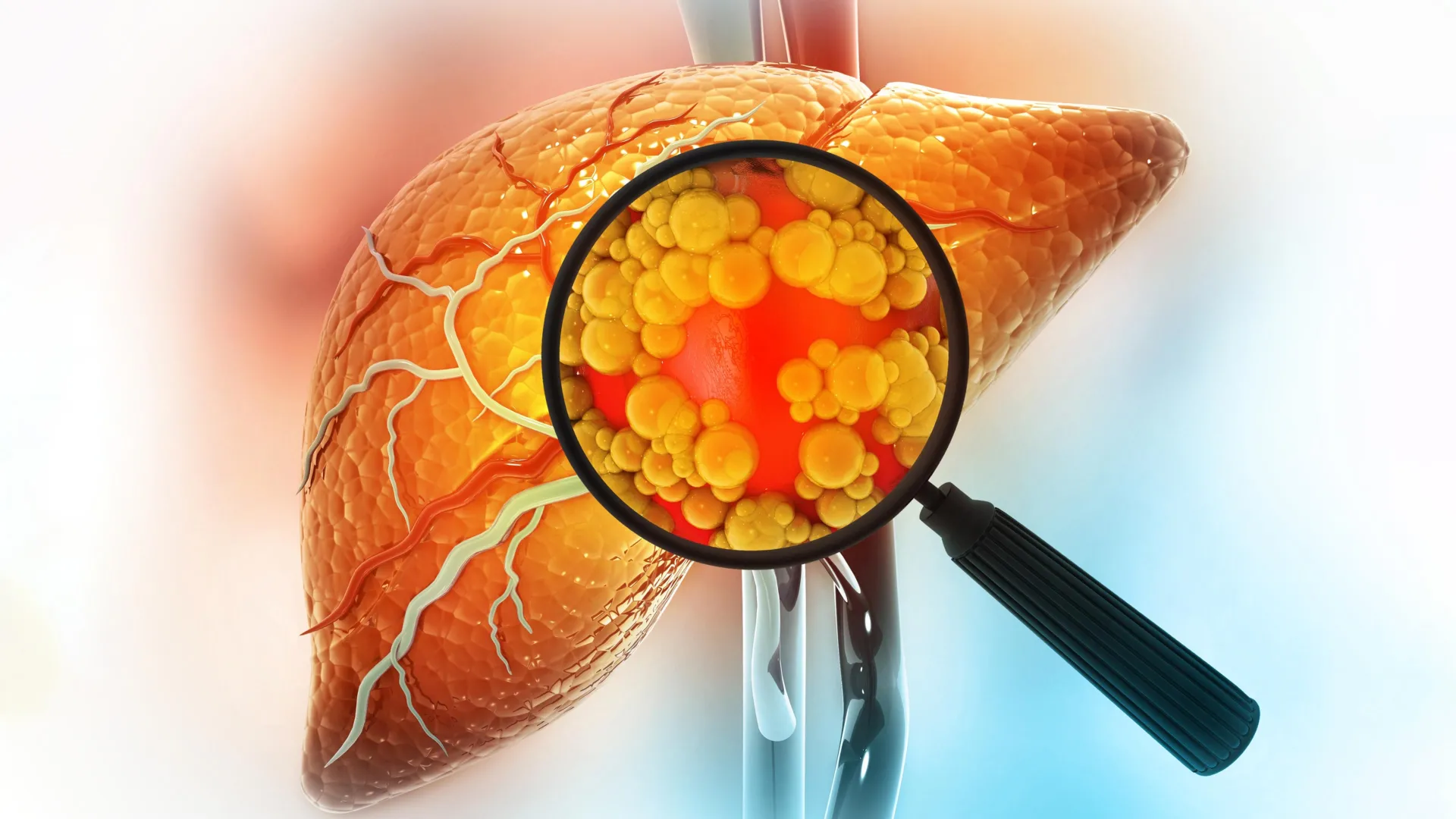
Scientists have uncovered a surprising risk linked to blocking a cellular enzyme once believed to protect against fatty liver disease. Instead of helping long term, shutting down this enzyme may raise the chances of chronic liver damage and cancer as people age.
In a study published in Science Advances, researchers from the University of Adelaide found that losing the enzyme Caspase-2 causes liver cells to grow abnormally. This uncontrolled growth leads to inflammation, scarring, and a much higher likelihood of developing liver cancer.
These results challenge the growing interest in Caspase-2 inhibitors as a treatment to manage or prevent fatty liver disease. The findings suggest that targeting this pathway could have unintended consequences over time.
Caspase-2’s Role in Liver Cell Stability
According to lead researcher Dr. Loretta Dorstyn from the Centre for Cancer Biology, Caspase-2 is essential for keeping liver cells genetically stable. It also plays a separate role in regulating fat levels within the liver.
“Liver cells normally have extra copies of genetic material- known as polyploidy — and while this feature can help the liver cope with stress, our study shows that without the enzyme Caspase-2, abnormally high levels of polyploidy in the liver can be damaging,” Dr. Dorstyn said.
To investigate this further, scientists used genetically modified mice. In animals missing the enzyme, or carrying a nonfunctional version, liver cells became unusually large and showed significant genetic and cellular damage.
Long-Term Damage and Tumor Formation
“Over time, these mice developed chronic liver inflammation and characteristics of hepatitis-like liver disease including, scarring, oxidative damage and a type of cell death linked to inflammation. As the animals aged, they were much more likely to develop liver cancer.”
Older mice without functional Caspase-2 developed liver tumors far more often than normal mice. In some cases, cancer rates were up to four times higher, consistent with hepatocellular carcinoma.
Dr. Dorstyn noted that the findings overturn the assumption that inhibiting Caspase-2 is always beneficial.
“While inhibiting this enzyme can be protective in young animals or may help prevent fatty liver disease in the short term, our study shows that its long-term loss is clearly detrimental.
“Our study demonstrates that Caspase-2 is essential for removing damaged and abnormal liver cells as we age. Without it, these cells accumulate, and can become cancerous, while also creating an environment that predisposes the liver to cancer.”
Implications for Fatty Liver Treatments and Drug Development
Senior author Professor Sharad Kumar said the results carry important warnings for future therapies.
“There has been significant interest in targeting Caspase-2 to treat metabolic liver disease and reduce liver cancer risk,” Prof Kumar said.
“Our data shows that this approach could have serious unintended consequences later in life, increasing susceptibility to chronic liver inflammation, fibrosis and cancer.”
Liver disease continues to rise globally, driven by ageing populations, obesity, and metabolic conditions. In 2022 alone, liver cancer caused nearly 760,000 deaths worldwide, according to the World Cancer Research Fund, making it the sixth most common cancer.
The study, titled ‘Caspase- 2 deficiency drives pathogenic liver polyploidy and increases age- associated hepatocellular carcinoma in mice’, was published in Science Advances.
Story Source:
Materials provided by Adelaide University. Note: Content may be edited for style and length.
Journal Reference:
- Loretta Dorstyn, Yoon Lim, Jack Scanlan, Emma McLennan, Dylan De Bellis, Michael Katschner, John Finnie, Samantha Emery-Corbin, Jumana Yousef, Laura F. Dagley, Chung H. Kok, Sonia S. Shah, Chiaki Takahashi, Mark A. Febbraio, Sharad Kumar. Caspase-2 deficiency drives pathogenic liver polyploidy and increases age-associated hepatocellular carcinoma in mice. Science Advances, 2026; 12 (1) DOI: 10.1126/sciadv.aeb2571
Cite This Page:
📰 This article was curated and published by
HEALTH GUIDANCE HUB
— your trusted source for the latest health news, medical research, and wellness guidance.
Visit us at https://healthguidancehub.space/ for more health insights.
