
The modern world of 2026 has taught us one vital lesson: health is not merely the absence of disease, it is the active pursuit of resilience. As we navigate a landscape defined by personalized nutrition and real time metabolic tracking, the question of what we put on our plates has never been more critical. Building a robust defense system requires more than just a seasonal interest in vitamin C; it demands a comprehensive, food first approach that supports the intricate network of cells and signals known as your immune system.
- The Science of Immune Resilience in 2026
- The Power of Vitamin C: Citrus and Beyond
- The Warriors of the Spice Cabinet: Garlic, Ginger, and Turmeric
- Leafy Greens and Cruciferous Vegetables
- The Gut-Immune Connection: Yogurt and Fermented Foods
- Healthy Fats and Nuts
- Protein and Mineral Support: Poultry and Shellfish
The Science of Immune Resilience in 2026
Our understanding of the human body has evolved. We no longer view the immune system as a simple shield. Instead, we see it as a dynamic, living intelligence that interacts with our gut microbiome, our stress levels, and our cellular health. Today, we focus on healthspan: the period of life spent in good health. To maximize this, we must feed our internal biology the specific micronutrients it craves to function at peak performance.
Clinical research from institutions like Harvard and the Mayo Clinic emphasizes that while no single “superfood” can prevent illness entirely, a consistent intake of nutrient dense whole foods creates an environment where pathogens struggle to thrive. By focusing on anti inflammatory patterns and micronutrient diversity, you are essentially training your body to respond to threats with speed and precision.
The Power of Vitamin C: Citrus and Beyond
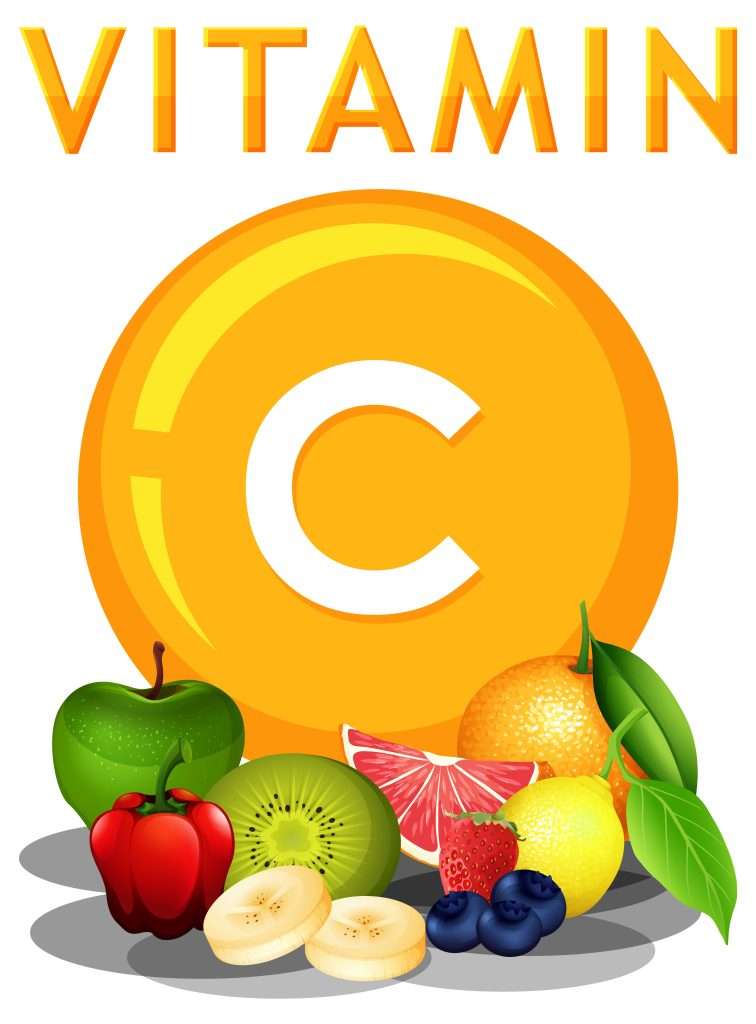
When people think of immune health, they immediately reach for the orange juice. While oranges are excellent, the world of vitamin C is much broader and more potent than many realize.
Citrus Fruits
Citrus fruits are a staple for a reason. Grapefruits, lemons, limes, clementines, and tangerines are all high in vitamin C. This essential nutrient is believed to increase the production of white blood cells, which are the frontline soldiers in fighting infections. Because your body does not produce or store vitamin C, you need a daily dose to keep your levels consistent.
Red Bell Peppers
If you think citrus is the king of vitamin C, think again. Ounce for ounce, red bell peppers contain almost three times as much vitamin C as a Florida orange. They are also a rich source of beta carotene, which your body converts into vitamin A. This helps keep your skin and eyes healthy, providing a physical barrier against environmental stressors.
The Warriors of the Spice Cabinet: Garlic, Ginger, and Turmeric
Spices are not just for flavor; they are concentrated sources of bioactive compounds that modulate our immune response.
Garlic
Garlic has been used for centuries to fight infections. Its immune boosting properties come from a heavy concentration of sulfur containing compounds, such as allicin. In 2026, we also know that garlic helps slow down the hardening of arteries and may help lower blood pressure, making it a double threat for longevity.
Ginger
Ginger is another ingredient many turn to after getting sick. It may help decrease inflammation, which can help reduce a sore throat and other inflammatory illnesses. Ginger also packs some heat in the form of gingerol, a relative of capsaicin, which has been studied for its potential to reduce chronic pain and lower cholesterol.
Turmeric
You may know turmeric as a key ingredient in many curries. This bright yellow, bitter spice has been used for years as an anti inflammatory in treating both osteoarthritis and rheumatoid arthritis. High concentrations of curcumin, which gives turmeric its distinctive color, can help decrease exercise induced muscle damage and improve immune cell activity.
Leafy Greens and Cruciferous Vegetables
The foundation of any strong immune system is built on a base of greens. These vegetables provide the fiber and antioxidants necessary for long term cellular health.
Spinach
Spinach made our list not just because it is rich in vitamin C, but also because it is packed with numerous antioxidants and beta carotene. These compounds may increase the infection fighting ability of our immune systems. Like broccoli, spinach is healthiest when it is cooked as little as possible so that it retains its nutrients. However, light cooking makes it easier to absorb vitamin A and allows other nutrients to be released from oxalic acid.
Broccoli
Broccoli is supercharged with vitamins and minerals. Packed with vitamins A, C, and E, as well as fiber and many other antioxidants, broccoli is one of the healthiest vegetables you can put on your plate. The key to keeping its power intact is to cook it as little as possible: or better yet, not at all. Steam it for just a few minutes to preserve the delicate enzymes.
The Gut-Immune Connection: Yogurt and Fermented Foods
Approximately 70 percent of your immune system resides in your gut. This makes the health of your microbiome a primary factor in your overall resilience.
Yogurt
Look for yogurts that have “live and active cultures” printed on the label, such as Greek yogurt. These cultures may stimulate your immune system to help fight diseases. Try to get plain yogurts rather than the kinds that are pre flavored and loaded with sugar. You can sweeten plain yogurt yourself with healthy fruits and a drizzle of honey instead.
Kefir and Sauerkraut
Fermented foods like kefir, kimchi, and sauerkraut provide a diverse array of probiotics. These beneficial bacteria help maintain the integrity of the intestinal wall, preventing “leaky gut” and ensuring that your immune system is not constantly distracted by low grade inflammation.
Healthy Fats and Nuts
Immune cells are made of fats, and they require high quality lipids to function correctly.
Almonds
When it comes to preventing and fighting off colds, vitamin E tends to take a backseat to vitamin C. However, this powerful antioxidant is key to a healthy immune system. It is a fat soluble vitamin, meaning it requires the presence of fat to be absorbed properly. Nuts, such as almonds, are packed with the vitamin and also have healthy fats.
Sunflower Seeds
Sunflower seeds are full of nutrients, including phosphorous, magnesium, and vitamins B6 and E. Vitamin E is important in regulating and maintaining immune system function. Other foods with high amounts of vitamin E include dark leafy greens and avocado.
Olive Oil
A staple of the Mediterranean diet, extra virgin olive oil is a powerful anti inflammatory. It contains oleocanthal, a compound that works similarly to ibuprofen in the body. Using olive oil as your primary fat source helps keep systemic inflammation low, allowing the immune system to focus on actual threats.
Protein and Mineral Support: Poultry and Shellfish
Zinc and B vitamins are often overlooked in the immune conversation, but they are vital for the creation of new immune cells.
Poultry
When you are sick and you reach for chicken soup, it is more than just the placebo effect. Poultry, such as chicken and turkey, is high in vitamin B6. About 3 ounces of light turkey or chicken meat contains nearly one third of your daily recommended amount of B6. This vitamin is a vital player in many of the chemical reactions that happen in the body. It is also essential to the formation of new and healthy red blood cells.
Shellfish
Shellfish is not what many people think of for boosting the immune system, but some types of shellfish are packed with zinc. Zinc does not get as much attention as many other vitamins and minerals, but our bodies need it so that our immune cells can function as intended. Varieties of shellfish that are high in zinc include oysters, crab, lobster, and mussels.