


He survived 48 hours without lungs and lived
- Date:
- March 18, 2026
- Source:
- Cell Press
- Summary:
- A critically ill 33-year-old man survived an almost unimaginable scenarioâliving for 48 hours without lungsâthanks to a groundbreaking surgical approach. After a severe flu-triggered infection destroyed his lungs and caused multiple organ failure, doctors removed both lungs entirely to stop the spread of infection. In their place, they used a specially engineered âartificial lungâ system to oxygenate his blood and keep his body functioning while he stabilized.
- Share:
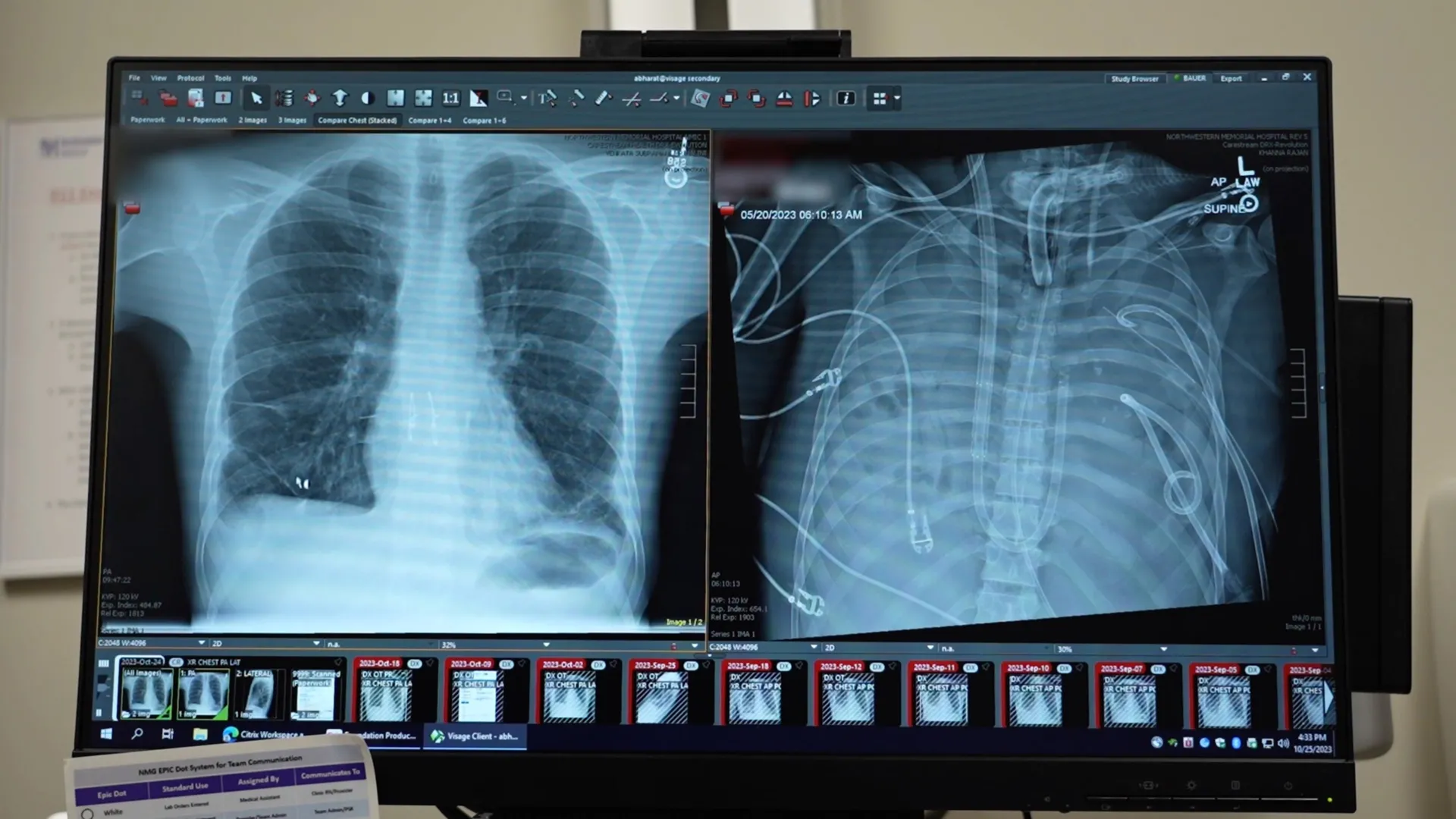
Humans cannot survive without lungs. Yet one patient managed to live for 48 hours without them.
In a report published in the Cell Press journal Med, surgeons detail how they removed a man’s severely infected lungs and used an “artificial lung” system to keep him alive until a double lung transplant could be performed. The case highlights a potential new way to keep critically ill patients alive while they wait for donor organs.
A Life Threatening Case of ARDS and Organ Failure
“He was critically ill. His heart stopped as soon as he arrived. We had to perform CPR,” said lead author Ankit Bharat, a thoracic surgeon at Northwestern University. “When the infection is so severe that the lungs are melting, they’re irrecoverably damaged. That’s when patients die.”
The patient, a 33-year-old man, developed acute respiratory distress syndrome (ARDS), a dangerous condition in which inflammation and infection overwhelm the lungs. His illness began with the flu, which quickly worsened and was complicated by bacterial pneumonia. As his condition declined, his lungs, heart, and kidneys began to fail. At that point, a double lung transplant became his only chance to survive.
Removing the Lungs to Stop Infection
The man’s lungs were beyond saving and were actively contributing to the spread of infection. However, his body was too unstable to immediately handle a transplant, so doctors needed time to stabilize him.
“The heart and lungs are intrinsically connected,” Bharat explained. “When there are no lungs, how do you keep the patient alive?”
To address this, the medical team developed an artificial lung system designed to temporarily take over the lungs’ role. This system oxygenated the blood, removed carbon dioxide, and supported circulation, allowing the heart and other organs to continue functioning even though the patient had no lungs.
Artificial Lung System Keeps Patient Alive
After the damaged lungs were removed, the patient’s condition began to improve. His blood pressure stabilized, his organs started recovering, and the infection came under control. Two days later, donor lungs became available, and surgeons successfully completed a double lung transplant. More than two years later, the patient is living a normal life with healthy lung function.
New Evidence on Irreversible Lung Damage
“Conventionally, lung transplant is reserved for patients who have chronic conditions like interstitial lung disease or cystic fibrosis,” said Bharat. “Currently, people think if you get severe ARDS, you keep supporting them and ultimately the lungs will get better.”
However, examination of the removed lungs told a different story. Molecular analysis revealed extensive scarring and immune system damage, clear signs that the tissue could not recover.
“For the first time, biologically, we are giving molecular proof that some patients will need a double lung transplant, otherwise they will not survive,” Bharat said.
A Potential Lifesaving Bridge to Transplant
For now, this approach is limited to highly specialized medical centers with the necessary expertise and resources. Still, Bharat hopes it can eventually be developed into more standardized systems that help keep patients alive while they wait for donor lungs.
“In my practice, young patients die almost every week because no one realized that transplantation was an option,” Bharat said. “For severe lung damage caused by respiratory viruses or infections, even in acute settings, a lung transplant can be lifesaving.”
Story Source:
Materials provided by Cell Press. Note: Content may be edited for style and length.
Journal Reference:
- Yuanqing Yan, Anitha Chandrasekhar, Hee Chul Yang, Teja Devarakonda, Aaron Reynolds, Anjana V. Yeldandi, Ambalavanan Arunachalam, Chitaru Kurihara, G.R. Scott Budinger, Ankit Bharat. Bridge to transplant using a flow-adaptive extracorporeal total artificial lung system following bilateral pneumonectomy. Med, 2026; 7 (3): 100985 DOI: 10.1016/j.medj.2025.100985
Cite This Page:
📰 This article was curated and published by
HEALTH GUIDANCE HUB
— your trusted source for the latest health news, medical research, and wellness guidance.
Visit us at https://healthguidancehub.space/ for more health insights.
