The year 2026 marks a historic turning point in how humanity understands, detects, and manages illness. We are no longer living in an era where healthcare is defined by waiting for symptoms to appear before seeking a cure. Instead, we have entered the age of proactive health, where the synthesis of artificial intelligence, personalized genomics, and global environmental monitoring has created a transparent window into the human body. As of early January 2026, the medical community is witnessing a massive shift in disease awareness, driven by technologies that were merely experimental just a few years ago. This evolution is not just about better tools; it is about a fundamental change in the global consciousness regarding what it means to be “healthy.”
- The Rise of P4 Medicine: Predictive, Preventive, Personalized, and Participatory
- Artificial Intelligence: The New Diagnostic Standard in 2026
- The Climate Health Nexus: Awareness in a Changing Environment
- Mental Health as a Systemic Priority
- Longevity Science: Expanding the Healthspan
- Decentralized Healthcare: The Hospital in Your Pocket
- Global Case Studies: Models of Awareness in 2026
- The Role of Personalized Nutrition and the Microbiome
- Navigating the Future: A Roadmap for Health in 2026
- 1. The Integration of Multi-Omics
- 2. The Evolution of Surgical Robotics
- 3. The Democratization of Health Data
- 4. The Rise of Bio-Resilience
- Conclusion: A New Era of Empowered Wellness
The Rise of P4 Medicine: Predictive, Preventive, Personalized, and Participatory
One of the most significant trends shaping 2026 is the mainstream adoption of P4 medicine. This framework has moved beyond academic circles and is now the standard for leading health systems in Singapore, Australia, and parts of Europe. The “participatory” aspect is particularly vibrant this year, as individuals take unprecedented control of their biological data.
In 2026, disease awareness is no longer a top down message from health ministries. It is a bottom up movement powered by bio-integrated sensors and consumer accessible diagnostic platforms. People are now monitoring their “biological age” with the same frequency they used to check their weight. This shift is driven by the realization that chronological age is a poor indicator of health. By focusing on biomarkers such as heart rate variability, micro-inflammation, and metabolic efficiency, individuals can detect the subtle “whispers” of disease years before they become loud enough to require hospitalization.
Genomic Sequencing and the Democratization of Precision Data
The cost of full genomic sequencing has plummeted in 2026, making it a routine part of primary care in many regions. This has transformed disease awareness from a general understanding of risks to a precise map of individual vulnerability. We are seeing a surge in awareness regarding “pharmacogenomics,” where patients now know exactly which medications will work for them based on their genetic makeup, eliminating the dangerous trial and error approach that defined 20th century medicine.
Artificial Intelligence: The New Diagnostic Standard in 2026
If 2024 and 2025 were the years of AI experimentation, 2026 is the year of AI maturity. Artificial Intelligence is now the primary engine behind early disease detection. In modern clinics, AI algorithms are analyzing medical imaging with a precision that exceeds human capability, spotting early signs of oncology and neurodegenerative conditions that the human eye might miss.
15-Second AI Diagnostics and Point-of-Care Testing
Recent breakthroughs from institutions like Imperial College London have introduced AI-powered stethoscopes that can diagnose heart failure and atrial fibrillation in under 15 seconds. This “instant awareness” is critical in 2026. It means that a routine checkup can now include high-level cardiology screening without the need for expensive referrals or long wait times.
Furthermore, the development of microfluidic “lab on a chip” technology allows for complex blood analysis from a single drop of blood. By early 2026, these devices have become common in pharmacies and community centers, providing immediate awareness of everything from vitamin deficiencies to early stage markers of chronic kidney disease. This immediacy is radicalizing how we think about “screening.” It is no longer an annual event but a continuous part of the digital lifestyle.
The Climate Health Nexus: Awareness in a Changing Environment
As we navigate the first week of 2026, the link between our environment and our health has never been more visible. Global health organizations have pivoted significantly to address the “One Health” approach, which recognizes that human health is inextricably linked to the health of animals and the environment.
Tracking Zoonotic Risks and Pathogen Evolution
Climate change is altering the habitats of various disease vectors, bringing pathogens into new territories. In 2026, disease awareness campaigns are heavily focused on “climate-resilient health.” This includes educating the public on the shifting patterns of vector borne illnesses like Dengue and Lyme disease, which are appearing in higher altitudes and more northern latitudes than ever before.
International surveillance networks now use genomic monitoring to track pathogens in real time. For the average citizen, this means receiving “pollen-count style” alerts on their smartphones regarding local pathogen risks or air quality triggers that could exacerbate respiratory conditions. This hyper-local awareness is helping to prevent outbreaks before they can escalate into public health crises.
Mental Health as a Systemic Priority
In 2026, the artificial boundary between “mental” and “physical” health has finally dissolved. The global health community now treats mental wellness as a physiological marker of overall health. Research from centers like the Karolinska Institute has conclusively shown how chronic stress disrupts the immune system and accelerates cellular aging, leading to a new wave of awareness regarding the “physiology of loneliness.”
Digital Therapeutics and Neurotechnology
The rise of digital therapeutics (DTx) has provided new avenues for mental health awareness. FDA approved software interventions, including VR-based therapy for PTSD and AI-driven cognitive behavioral therapy apps, are now prescribed just like traditional pharmaceuticals. These tools provide users with a “dashboard of the mind,” helping them visualize their stress levels and emotional triggers.
By 2026, the stigma surrounding mental health has significantly diminished, replaced by a data driven understanding of brain health. Employers are increasingly integrating “neuro-wellness” programs into the workplace, utilizing ambient technology to optimize light and sound for cognitive focus and emotional stability.
Longevity Science: Expanding the Healthspan
The most exciting trend of 2026 is the shift from life expectancy to “healthspan.” We are no longer satisfied with simply living longer; the goal is to live better for a greater portion of our lives. Longevity medicine has become a mandatory part of medical school curricula, and specialized longevity clinics are opening in major cities across the globe.
Epigenetic Clocks and Biological Monitoring
Tools like the DunedinPACE epigenetic clock are now at the forefront of preventive medicine. By measuring DNA methylation patterns, these tests offer a precise “pace of aging” metric. This allows individuals to see the immediate impact of lifestyle changes, such as diet and exercise, on their cellular health.
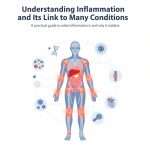
The awareness of “inflammaging” (the chronic, low-grade inflammation that drives aging) has led to a surge in demand for anti-inflammatory diets and “molecular medicine” routines. In 2026, exercise is prescribed with the precision of a drug, with specific “doses” of zone 2 cardio or resistance training tailored to an individual’s metabolic profile and genetic predispositions.
Decentralized Healthcare: The Hospital in Your Pocket
The decentralization of care is a defining feature of 2026. The traditional model of visiting a hospital for routine monitoring is becoming obsolete. Instead, “hospital at home” programs utilize advanced telemonitoring to manage chronic conditions like COPD and diabetes.
Wearable Biosensors and Edge AI
The latest generation of wearables in 2026 goes far beyond counting steps. These devices now include non-invasive glucose monitoring, continuous blood pressure tracking, and even early-warning sensors for sepsis. “Edge AI” technology processes this data locally on the device, ensuring privacy while providing instantaneous feedback.
This level of monitoring has created a “continuous awareness” of health. If a patient’s baseline shifts, an AI agent can alert their care team immediately, allowing for intervention before a crisis occurs. This proactive model is significantly reducing the burden on emergency departments and improving the quality of life for millions of people living with chronic illnesses.
Global Case Studies: Models of Awareness in 2026
Several nations have emerged as leaders in this new health landscape, providing a blueprint for the rest of the world.
Singapore: The Healthier SG Initiative
Singapore’s “Healthier SG” program has successfully linked clinical data with wearable data across the entire population. This has created a nationwide infrastructure for personalized guidance. Citizens receive tailored health goals and incentives for preventive actions, such as regular screenings and vaccinations. This systemic approach has made disease awareness a collective national priority.
Australia: Modernizing the Digital Health Record
Australia has revolutionized its “My Health Record” system, integrating it with AI-driven diagnostic tools. This allows for a seamless flow of information between primary care physicians, specialists, and the patients themselves. The result is a highly informed public that understands their health risks in the context of their long-term medical history.
The Role of Personalized Nutrition and the Microbiome
In 2026, the phrase “you are what you eat” has taken on a literal, scientific meaning. We now understand that the gut microbiome is a primary determinant of the plasma metabolome, influencing everything from immune function to brain health.
Microbiome-Targeted Interventions
Disease awareness in 2026 includes a deep understanding of gut health. Personalized nutrition plans based on microbiome sequencing are now common, helping people manage chronic inflammation and metabolic disorders through diet. This shift is supported by public policies that encourage the consumption of minimally processed foods and the reduction of ultra-processed items, which have been linked to low-grade systemic inflammation.
Navigating the Future: A Roadmap for Health in 2026
As we look forward into the rest of 2026, several key pillars will continue to define our awareness of disease and health.
1. The Integration of Multi-Omics
The combination of genomics, proteomics, and metabolomics will provide an even deeper understanding of disease mechanisms, leading to breakthroughs in “undruggable” conditions.
2. The Evolution of Surgical Robotics
AI-driven surgical systems are making procedures more precise and minimally invasive, shortening recovery times and improving long-term outcomes.
3. The Democratization of Health Data
Blockchain technology is being used to give patients full ownership of their health records, ensuring security and interoperability across different healthcare providers.
4. The Rise of Bio-Resilience
The focus is shifting toward “building a better body” through bio-optimization, enhancing the body’s natural defenses against both infectious and non-communicable diseases.
Conclusion: A New Era of Empowered Wellness
The global health trends of 2026 have fundamentally reshaped disease awareness by moving health from the clinic into the home and the palm of our hands. We are witnessing a transition from a reactive “sick care” system to a proactive “wellness” ecosystem. Through the power of AI, personalized genomics, and a renewed focus on the environmental and systemic drivers of health, we are finally gaining the upper hand against the world’s most challenging diseases.
As we continue through 2026, the most important medical tool will not be a new drug or a sophisticated machine; it will be information. Empowered with real-time data and a personalized understanding of their own biology, individuals are no longer passive recipients of care. They are active architects of their own longevity. The future of health is not just about living longer; it is about living with a level of awareness that ensures every year is a healthy one.