As a veteran content strategist who has watched the wellness landscape shift from the “grind culture” of the 2010s to the high-tech biohacking era of the early 2020s, I have noticed a profound shift in 2026. People are exhausted by the pressure to be perfect. The modern professional is no longer looking for a grueling 5:00 AM routine that requires a dozen supplements and a cold plunge before sunrise. Instead, the focus has pivoted toward what experts call “Nervous System Architecture.” This approach builds health through safety and stability rather than intensity and restriction.
- The Evolution of Wellness: Moving Beyond Over-Optimization
- Foundational Pillars of a Stress-Free Daily Protocol
- Advanced Strategies for Nervous System Regulation
- Leveraging 2026 Technology Intentionally
- Movement as Joy: The End of Punitive Exercise
- Current Observances: Why February 2026 is Your Launchpad
- Crafting Your Personalized Blueprint: A Step-by-Step Guide
- Step 1: Identify Your “Anchor Habits”
- Step 2: Implement “Digital Detox” Windows
- Step 3: Prioritize Protein and Fiber
- Step 4: Schedule Recovery
- Addressing the Psychology of Habit Formation
- Sustainable Health in an Unpredictable World
The secret to a successful routine in 2026 is simple: if your habits cause more stress than the problems they are trying to solve, they are not working. True health is about metabolic flexibility, emotional resilience, and intentional movement. This guide explores how to reconstruct your daily life into a masterpiece of sustainable well-being.
The Evolution of Wellness: Moving Beyond Over-Optimization
For years, we were told that more data equaled better health. We tracked every heartbeat, every gram of fiber, and every minute of REM sleep. However, the Global Wellness Institute recently identified a significant “Over-Optimization Backlash” in its 2026 outlook. People are moving away from self-surveillance and toward “Embodied Care.”
This shift means prioritizing how you feel over what your wearable device tells you. When you build a routine based on internal cues, you reduce the cognitive load of decision fatigue. Stress management is no longer a separate task on a to-do list; it is the foundation upon which every other habit is built. According to the Global Wellness Institute, the fastest-growing spaces in wellness now prioritize nervous-system safety and emotional repair.
Foundational Pillars of a Stress-Free Daily Protocol
To build a routine that sticks, you must focus on the biological non-negotiables: light, nutrition, and recovery. These are the levers that control your hormones, energy levels, and mood.
Circadian Rhythm and Light Hygiene
Your internal clock, or circadian rhythm, governs almost every biological process in your body. In 2026, “Light Hygiene” is recognized as a critical health intervention. Stress often stems from a misalignment between our environment and our biology.
The first step in a stress-free routine is viewing sunlight within thirty minutes of waking. This triggers the timed release of cortisol (which wakes you up) and sets a timer for melatonin production later in the evening. Conversely, reducing blue light exposure in the evening is essential. Many high-performers now use “Smart Home Light Scenarios” that automatically shift to amber tones after 7:00 PM to protect their sleep architecture.
The Metabolism-First Morning
Gone are the days of surviving on black coffee until noon. Current nutritional science emphasizes the importance of protein-rich breakfasts for glucose stability. When you start your day with thirty grams of protein, you stabilize your blood sugar and prevent the mid-afternoon energy crashes that lead to irritability and stress.
Hydration also plays a massive role. Starting your day with sixteen ounces of water (ideally with electrolytes) supports cognitive function and metabolic rate. As noted by Washington University in St. Louis, healthy eating is about building consistent habits rather than chasing perfection.
Advanced Strategies for Nervous System Regulation
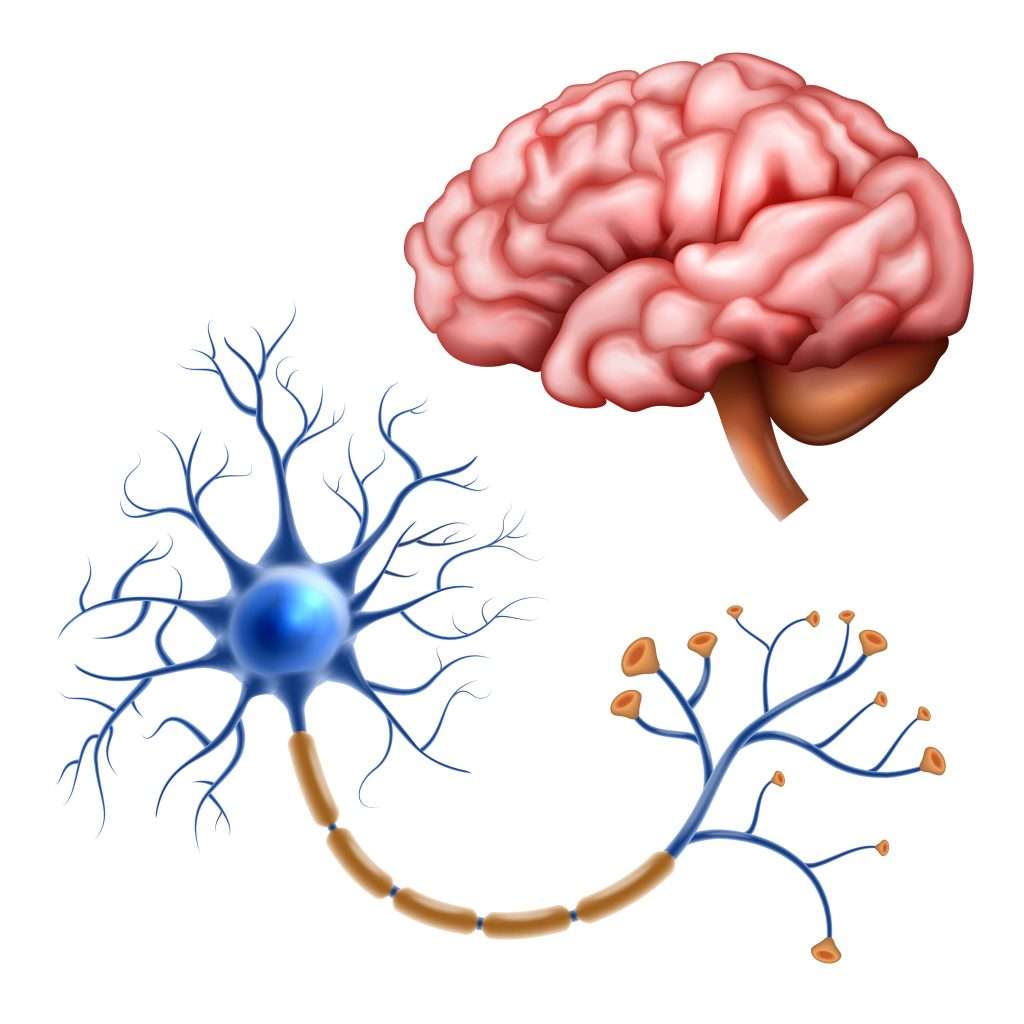
In 2026, the term “Stress Management” has been replaced by “Nervous System Regulation.” This is the practice of moving your body from a sympathetic (fight-or-flight) state to a parasympathetic (rest-and-digest) state.
Vagal Toning and Breath Science
The vagus nerve is the highway of the nervous system. You can “tone” this nerve through simple, science-backed techniques. Box breathing (inhaling, holding, exhaling, and holding for four seconds each) or the “Physiological Sigh” (a double inhale followed by a long exhale) can lower your heart rate in under sixty seconds.
Integrating these “Micro-Regulations” throughout your day prevents the accumulation of chronic stress. Many corporate wellness programs now include “Regulation Breaks” where employees practice somatic tracking or brief guided meditation to reset their baseline.
Soft-Care Anchors
While “hard-care” involves clinics and data, “soft-care” involves touch, nature, and community. Immersive experiences like “Social Saunas” are trending in 2026 because they combine the physiological benefits of heat therapy with the emotional benefits of human connection. Transitioning from a work mindset to a home mindset requires these symbolic anchors. It might be a ten-minute walk without your phone or a specific evening tea ritual.
Leveraging 2026 Technology Intentionally
Technology should be a servant, not a master. In 2026, the goal is “Intentional Tech” rather than constant tracking.
AI Health Companions
Artificial Intelligence has evolved from simple chatbots to sophisticated health companions that analyze your specific biomarkers. These tools can suggest meal adjustments based on your current activity levels or recommend a specific type of exercise based on your heart rate variability (HRV). The key is to use these insights as suggestions rather than strict rules.
Continuous Glucose Monitoring for Longevity
Once reserved for those with medical conditions, Continuous Glucose Monitors (CGMs) have become a mainstream tool for anyone interested in longevity. By seeing how specific foods and stress levels impact your blood sugar in real-time, you can make informed choices that keep your energy stable. Stable glucose equals a stable mood, which is the ultimate defense against daily stress.
Movement as Joy: The End of Punitive Exercise
The old model of “no pain, no gain” is effectively dead. In its place is a more nuanced understanding of “Cortisol-Conscious Exercise.”
Zone 2 Cardio and Metabolic Health
Zone 2 training (steady-state aerobic exercise where you can still hold a conversation) is the gold standard for mitochondrial health. It builds your base without spiking stress hormones. Walking remains the most underrated and accessible form of Zone 2 movement. According to researchers at the University of Cambridge, even a simple daily walk can be as effective as conventional interventions for boosting mood and motivation.
Strength Training for Longevity
Muscle is the “organ of longevity.” Maintaining muscle mass through resistance training twice a week is essential for metabolic health and bone density. In 2026, the focus is on “Functional Mobility”: exercises that help you move better in daily life rather than just looking good in the mirror.
Current Observances: Why February 2026 is Your Launchpad
This month offers a unique opportunity to align your personal routine with broader health movements. February 2026 is designated as “American Heart Month” and “Healthy Lifestyle Awareness Month.”
Heart Health and Preventive Care
With World Cancer Day occurring on February 4th, it is a timely reminder that lifestyle choices—such as diet, exercise, and stress management—are the primary drivers of preventive health. Using this month to schedule regular screenings and “National Self-Checks” can provide peace of mind that reduces background anxiety.
Social Wellness Trends
February also sees a rise in “Social Sanctuaries.” Instead of meeting friends for drinks, many people are opting for social fitness classes or “wellness raves” where the focus is on music, movement, and hydration. This integrates community into your routine without the “social hangover” that often accompanies traditional nightlife.
Crafting Your Personalized Blueprint: A Step-by-Step Guide
Building a routine should not be a weekend overhaul. It is a slow, iterative process of habit stacking.
Step 1: Identify Your “Anchor Habits”
Choose two things you already do every day (like brushing your teeth or making coffee) and “stack” a new, healthy habit onto them. For example: “After I pour my first cup of coffee, I will stand outside for two minutes of sunlight.”
Step 2: Implement “Digital Detox” Windows
Stress is often fueled by the constant influx of information. Create “No-Phone Zones” in your routine. The first thirty minutes of the day and the last sixty minutes before bed should be strictly offline. This protects your dopamine receptors and allows your brain to enter a state of deep rest.
Step 3: Prioritize Protein and Fiber
Instead of focusing on what to “remove” from your diet, focus on what to “add.” Aim for thirty grams of protein at every meal and at least thirty grams of fiber per day. This simple focus naturally crowds out ultra-processed foods and keeps your appetite regulated.
Step 4: Schedule Recovery
In a high-performance routine, recovery is just as important as the work itself. This could mean a weekly massage, a daily nap, or a twenty-minute session with a vagus nerve stimulation device. Treat these appointments with the same respect you give your business meetings.
Addressing the Psychology of Habit Formation
Most routines fail because they rely on willpower. Willpower is a finite resource that is easily depleted by a stressful workday. To succeed, you must make your healthy choices the path of least resistance.
Environmental Design
If you want to exercise in the morning, lay your clothes out the night before. If you want to eat more fruit, put it in a bowl on the counter instead of hiding it in the refrigerator drawer. Your environment should “nudge” you toward your goals.
The Power of “Adequacy Beats Optimization”
The perfectionist trap is the biggest enemy of a healthy routine. If you miss a workout, don’t throw away the whole week. If you eat a high-sugar meal, don’t wait until Monday to start again. The most resilient people are those who can pivot quickly and return to their baseline without self-judgment. As noted by The Guardian, sometimes “doing less” and embracing a bit of messiness can actually make life simpler and healthier.
Sustainable Health in an Unpredictable World
As we navigate the complexities of 2026, our daily routines serve as our most reliable sanctuary. Building a healthy routine without stress is not a luxury; it is a necessity for long-term survival and success. By focusing on nervous system regulation, metabolic stability, and intentional technology use, you create a lifestyle that supports you rather than one you have to maintain through sheer force of will.
Remember that health is a journey of refinement, not a destination of perfection. Start small, listen to your body, and allow your routine to evolve as you do. The most effective routine is the one that brings you joy and peace of mind.