


Kent’s meningitis outbreak was years in the making. Here’s why


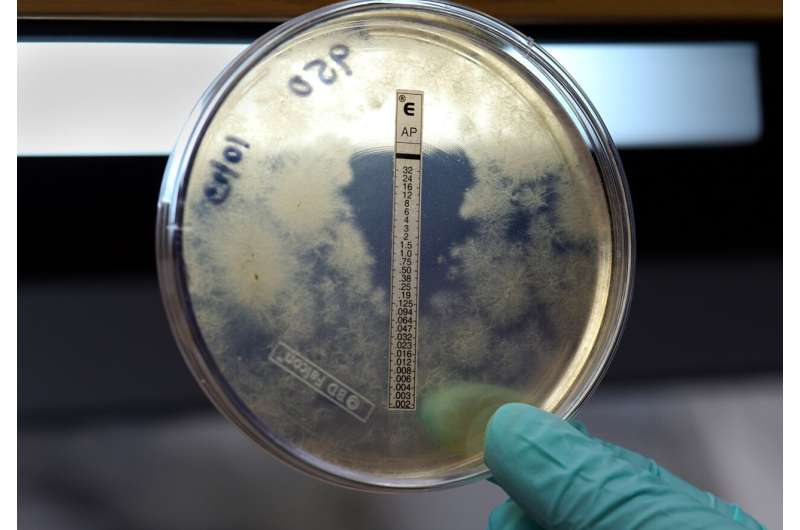
Two young people are dead and 20 are receiving treatment after a meningitis outbreak at the University of Kent. The students caught up in it belong to a generation that has never been routinely vaccinated against the strain responsible.
That is not because a vaccine doesn’t exist. It does. Bexsero, which protects against meningococcal group B disease (the strain responsible for the Kent outbreak) has been available since 2013. The UK even became the first country in the world to add it to its national immunization schedule, in September 2015.
But only for babies.
Every student at university today was born before July 2015, meaning every one of them missed the cutoff. The NHS never offered them the jab and no catch-up program was ever provided. A decade of students have passed through higher education with no routine protection against the most common form of bacterial meningitis.
The decision not to extend the program beyond infants reflects a genuine tension at the heart of vaccine policy. The government’s advisory body, the joint committee on vaccination and immunization (JCVI) concluded that the benefit, real as it was, did not clear the economic threshold required to justify the cost.
With many vaccines, the benefit extends beyond the person vaccinated. Vaccinate enough people and the disease runs out of hosts, protecting even those who never received the jab—this is known as herd immunity. Bexsero does not work that way. It protects the person who receives it, but it does not reduce the amount of bacteria people carry in their throats and pass on to others.
Vaccinating a baby stops that baby getting ill; it does nothing to stop the bacteria circulating in the wider population. With no such ripple effect to factor in, the JCVI judged the benefit too narrow to justify extending the program.
What that calculation did not fully account for was the particular danger of university life.
Meningococcal bacteria spread through close contact: kissing, sharing drinks, coughing in crowded spaces. Universities, with their halls of residence, freshers’ weeks and nightclubs, are among the most efficient environments imaginable for transmission.
A study tracking students during their first week at a UK university found that the proportion carrying the bacteria in their throats jumped from less than 7% on day one to over 23% by day four. By December of that year, in catered halls, the figure had reached 34%.
In the US, research found that first-year undergraduate students face a risk of meningococcal B disease almost 12 times higher than their non-student peers of the same age. Living in halls of residence amplified that risk further still.
None of this is new. The link between university life and meningococcal risk has been established for decades. The question that the tragic events in Kent force policymakers to consider is whether that increased risk was adequately factored into the original decision.
Parents who wanted to protect their children privately could. Many of them did. A full course of Bexsero requires two doses for anyone over the age of 11. At most UK pharmacies, each dose costs around £110, making the full course £220 or more. Some private clinics charge considerably more.
As one public health expert at the London School of Hygiene and Tropical Medicine put it, the availability of private vaccination creates a situation where access depends on ability to pay. That inequality is now playing out in real time.
Following the Kent outbreak, bookings for private meningitis B vaccinations at Superdrug surged to 65 times their normal level. The families rushing to book appointments are inevitably those who can afford to. Those who cannot are left hoping the outbreak does not reach their child.
Long-term costs
Vaccine policy is genuinely difficult. Every decision involves trade-offs and the resources available to public health are not unlimited. But the economic case for keeping the program infant-only has grown shakier since 2015.
A re-analysis published in the journal Value in Health in 2021 found that when a fuller picture of the disease’s burden is included (for example, long-term care, loss of earnings, the ripple effects on families) the cost per year of healthy life gained falls below the NHS’s standard threshold for approving treatments. The short-term saving from not vaccinating teenagers may be generating long-term costs the original calculation never captured.
There is also the cost of the outbreak itself. More than 30,000 people in the Canterbury area have been contacted by health authorities. Thousands of doses of antibiotics were distributed. A targeted vaccination campaign has been launched for students in halls of residence. Emergency responses to outbreaks are not without cost, and they cannot undo the harm already done.
Health Secretary Wes Streeting told parliament this week that he would ask the JCVI to reexamine eligibility for meningitis vaccines in light of the outbreak. That review is welcome, and overdue.
The first cohort of babies vaccinated in 2015 will not reach university age until 2033. Until then, the students arriving at freshers’ week each autumn will do so without routine protection. Unless policy changes.
Key medical concepts
MeningitisMeningococcal Group B VaccineImmunity, HerdAnti-Bacterial Agents
Clinical categories
Infectious diseasesCommon illnesses & PreventionPreventive medicine
This article is republished from The Conversation under a Creative Commons license. Read the original article.
Kent’s meningitis outbreak was years in the making. Here’s why (2026, March 18)
retrieved 18 March 2026
from https://medicalxpress.com/news/2026-03-kent-meningitis-outbreak-years.html
part may be reproduced without the written permission. The content is provided for information purposes only.
📰 This article was curated and published by
HEALTH GUIDANCE HUB
— your trusted source for the latest health news, medical research, and wellness guidance.
Visit us at https://healthguidancehub.space/ for more health insights.
