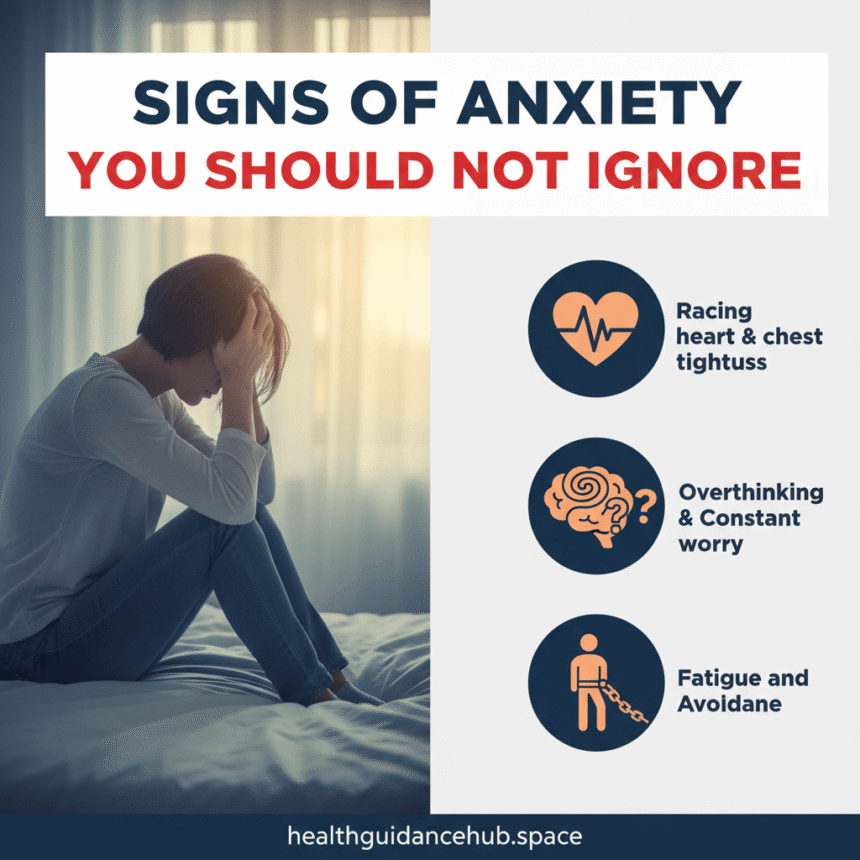
In the fast-paced landscape of 2026, the concept of wellness has evolved far beyond physical fitness. We now live in an era where mental fitness is prioritized alongside cardiovascular health. However, even with our advanced digital tools and wearable biofeedback monitors, the subtle indicators of psychological distress often go unnoticed. Anxiety is not merely a fleeting feeling of nervousness before a presentation: it is a complex physiological and psychological response that can manifest in ways that are easily misattributed to other health conditions.
- The Physical Manifestation of Chronic Stress
- Cognitive Symptoms and the Fog of Worry
- Persistent Intrusive Thoughts
- Difficulty Concentrating and Memory Issues
- The Phenomenon of Sunday Neurosis
- Behavioral Shifts: The Silent Indicators
- The Modern Landscape: Anxiety in 2026
- Digital Burnout and Information Overload
- Climate and Eco-Anxiety
- The Impact of Social Media and Comparison
- Daily Information: Current Trends for 2026
- Why You Should Not Ignore These Signs
- Taking Action: Steps Toward Resilience
Understanding the internal mechanisms of stress is crucial for maintaining long-term vitality. As we navigate the complexities of a hyper-connected world, identifying the red flags of an overactive nervous system becomes a fundamental skill for personal and professional success. This guide explores the multi-faceted nature of anxiety, providing a comprehensive look at the symptoms that demand your attention.
The Physical Manifestation of Chronic Stress
The human body is an incredible machine designed for survival. When we encounter a perceived threat, the amygdala triggers a cascade of hormones, primarily cortisol and adrenaline. While this response is vital for short-term emergencies, a chronic state of high alert leads to significant wear and tear on various bodily systems.
Cardiovascular Red Flags
One of the most prominent signs of an anxiety disorder is a persistent change in heart rhythm. You might experience heart palpitations or a sensation that your heart is skipping a beat. In 2026, many of us use wearable technology to track our heart rate variability or HRV. A consistently low HRV is a clinical indicator that your autonomic nervous system is struggling to find balance. If you notice your resting heart rate is elevated even when you are physically inactive, your body may be trapped in a cycle of anticipatory stress.
Gastrointestinal Distress
The connection between the brain and the gut is so profound that many medical professionals refer to the enteric nervous system as the second brain. Chronic worry often manifests as digestive issues such as irritable bowel syndrome, nausea, or a persistent “knot” in the stomach. Research from the World Health Organization continues to show that a significant percentage of patients seeking treatment for gastrointestinal problems are actually dealing with underlying generalized anxiety disorder. Ignoring these symptoms can lead to long-term nutritional deficiencies and a weakened immune system.
Muscle Tension and Chronic Pain
Do you find yourself clenching your jaw throughout the day or waking up with a stiff neck? Muscle tension is a hallmark of the “fight or flight” response. Over time, this constant contraction can lead to tension headaches, migraines, and even fibromyalgia. Unlike the soreness felt after a workout, anxiety-related muscle pain often feels like a dull, persistent ache that does not resolve with rest alone.
Cognitive Symptoms and the Fog of Worry
Mental health in 2026 is often challenged by the sheer volume of information we process daily. When anxiety takes hold, it alters our cognitive functions, making it difficult to perform even basic tasks with the same efficiency as before.
Persistent Intrusive Thoughts
One of the signs of anxiety you should not ignore is the presence of intrusive or “looping” thoughts. These are unwanted, distressing ideas that pop into your mind and feel impossible to dismiss. You might find yourself catastrophizing, which is the habit of imagining the worst-case scenario for every situation. This mental rehearsal of disaster consumes a vast amount of cognitive energy, leading to what experts call decision fatigue.
Difficulty Concentrating and Memory Issues
When your brain is constantly scanning the environment for threats, it has less capacity for focused work. You might find yourself reading the same paragraph three times or forgetting appointments that were just made. This “brain fog” is often a result of the high levels of cortisol interfering with the prefrontal cortex, the area of the brain responsible for executive function and short-term memory.
The Phenomenon of Sunday Neurosis
A specific type of anticipatory anxiety known as Sunday Neurosis has become increasingly common in the modern workforce. This is a feeling of dread that begins on Sunday afternoon or evening in anticipation of the upcoming work week. While many dismiss it as “the Sunday Scaries,” a persistent and intense feeling of gloom before the work week begins is a clear indicator that your current lifestyle or environment is taxing your mental reserves.
Behavioral Shifts: The Silent Indicators
Anxiety does not just change how we feel: it changes how we act. Behavioral changes are often the most visible signs to those around us, yet we frequently rationalize them as being “too busy” or “needing a break.”
Avoidance as a Coping Mechanism
The most common behavioral symptom of anxiety is avoidance. This might start small, such as declining a social invitation or putting off a challenging phone call. However, avoidance creates a feedback loop that reinforces the fear. By avoiding the thing that makes you anxious, you tell your brain that the situation is indeed dangerous, making the anxiety even stronger the next time you encounter it.
Social Withdrawal and Isolation
In a world where digital connection is constant, withdrawing from physical social interactions can be a major red flag. If you find yourself staying home more often or feeling exhausted at the mere thought of speaking with friends, it may be a sign that your social anxiety is escalating. According to the Mental Health Foundation, social isolation is a leading contributor to the worsening of depressive symptoms alongside anxiety.
Procrastination and Perfectionism
While often viewed as personality traits, extreme procrastination and perfectionism are frequently rooted in anxiety. The fear of making a mistake or not being “good enough” can lead to paralysis, where a person becomes unable to start a task because they are overwhelmed by the potential for failure. In professional settings, this can manifest as “quiet quitting” or a sudden drop in productivity.
The Modern Landscape: Anxiety in 2026
The current year has brought unique stressors that previous generations did not face. From the integration of Artificial Intelligence into our careers to the constant pull of the digital world, our nervous systems are under more pressure than ever.
Digital Burnout and Information Overload
As we integrated AI-driven tools into every aspect of our lives, the boundary between work and home has blurred. Digital burnout is a recognized clinical condition in 2026, characterized by emotional exhaustion and a sense of reduced personal accomplishment. The constant pings and notifications keep the brain in a state of high alert, never allowing the nervous system to fully return to a “rest and digest” state.
Climate and Eco-Anxiety
A growing trend in mental health discussions is eco-anxiety, a chronic fear of environmental doom. With the increasing visibility of climate shifts, many people experience a profound sense of helplessness. This is not just a passing concern but a significant psychological burden that affects long-term planning, such as whether to start a family or where to live.
The Impact of Social Media and Comparison
Even with the rise of “digital detox” movements, the impact of curated social media feeds remains strong. The constant comparison of one’s internal reality with everyone else’s external highlights can trigger feelings of inadequacy and social anxiety. In 2026, we are seeing a shift toward more authentic digital communities, but the legacy of the “comparison trap” still fuels significant mental distress for many.
Daily Information: Current Trends for 2026
As of today, several key statistics and trends are shaping the way we view mental health:
- Telehealth Growth: Over 65% of countries now offer integrated tele-mental health services, reflecting a major shift toward digital-first care.
- Workplace Wellness: 74% of employers have reported an increase in requests for mental health accommodations over the past year, leading to more flexible work-from-home policies and mental health days.
- AI Support: Nearly 48% of adults have experimented with using large language models for psychological support, though experts warn that these should complement, not replace, professional clinical therapy.
- Global Burden: Anxiety and depression currently cost the global economy approximately $1 trillion annually in lost productivity, emphasizing the need for proactive intervention.
Why You Should Not Ignore These Signs
The danger of ignoring chronic anxiety lies in its ability to transform into more severe conditions. Untreated anxiety is a leading precursor to major depressive disorder and substance use issues. Furthermore, the physiological strain of constant stress significantly increases the risk of cardiovascular events, such as heart attacks or strokes, by placing a persistent load on the circulatory system.
Investing in your mental health is as important as investing in your financial future. By recognizing these signs early, you can implement strategies to manage stress before it becomes debilitating. Whether through mindfulness practices, cognitive-behavioral therapy, or lifestyle adjustments, there are numerous effective paths to recovery.
Taking Action: Steps Toward Resilience
If you recognize several of these symptoms in your own life, the first step is to acknowledge that your nervous system is asking for help. It is not a sign of weakness, but a biological response to an environment that may be out of sync with your needs.
Seek Professional Consultation
Consulting with a licensed mental health professional or a primary care physician is the most effective way to address anxiety. They can help differentiate between temporary stress and a clinical disorder, providing a personalized roadmap for treatment. Modern therapy often includes a mix of talk therapy, neurofeedback, and sometimes medication to help balance the brain’s chemistry.
Implement a Digital Sunset
To combat the anxiety fueled by our 2026 tech-heavy lifestyle, many experts recommend a “digital sunset.” This involves turning off all electronic devices at least one hour before bed. This practice allows the brain to produce melatonin and reduces the blue light exposure that keeps the mind in an anxious, alert state.
Focus on Physical Foundations
Never underestimate the power of sleep, nutrition, and movement. A diet high in ultra-processed foods has been linked to increased mental distress. Conversely, regular physical activity acts as a “molecular medicine,” helping the body process excess cortisol and stimulating the production of endorphins.