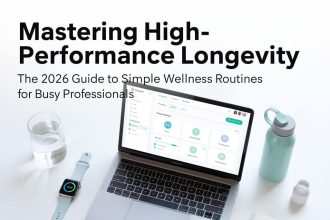



The global landscape of personal health has undergone a radical transformation as we navigate the early days of 2026. Wellness is no longer a collection of isolated tasks like hitting a step count or drinking a green smoothie. Today, the concept of a balanced life is defined by precision, biological data, and the integration of internal systems. We have moved past the era of generic self-care and into a period of high-performance longevity where every habit is measured against its impact on our cellular health and emotional resilience.
- The Oral-Systemic Connection: Why Your Smile is the New Gateway to Health
- Precision Longevity: Navigating Epigenetics and Biological Age
- Nervous System Mastery: The Science of Downshifting
- Gut Health 2.0: The Microbiome-Mind Axis
- Circadian Bio-Syncing: Optimizing Performance through Light and Timing
- Functional Nutrition in the Age of Personalization
- The Rise of Emotional Fitness and Social Wellness
- Environmental Wellness: Detoxifying Your Personal Ecosystem
- Designing a Sustained Life of Vitality
Achieving balance in 2026 requires a sophisticated understanding of how our environment, biology, and daily choices intersect. With the global wellness economy now exceeding 7.19 trillion dollars, according to recent data from Precedence Research, the tools available to us have never been more advanced. However, the most effective habits remain rooted in fundamental biological truths, enhanced by modern science. This guide explores the essential wellness habits that support a balanced life, providing actionable insights for those committed to peak vitality.
The Oral-Systemic Connection: Why Your Smile is the New Gateway to Health
In 2026, the medical community has finally fully embraced the mouth as the primary entry point for systemic health. For decades, dental care was treated as a separate entity from general medicine. Today, we understand that oral inflammation is a significant driver of cardiovascular disease, cognitive decline, and metabolic dysfunction.
One of the most critical habits for a balanced life is the intentional management of the oral microbiome. Research published in early 2026 has strengthened the link between gum disease and white matter damage in the brain. Chronic inflammation in the mouth allows bacteria to enter the bloodstream, triggering immune responses that can damage distant organs. To support a balanced life, your morning and evening routines must evolve.
Beyond traditional brushing and flossing, leading wellness experts now recommend the use of hydroxyapatite toothpastes to remineralize enamel without the systemic concerns of older formulations. Additionally, the practice of tongue scraping and the use of oral probiotics have become standard for maintaining a healthy bacterial balance. By treating oral care as a pillar of longevity, you are essentially reducing the total inflammatory load on your body, allowing your immune system to focus on repair and regeneration rather than fighting constant, localized infections.
Precision Longevity: Navigating Epigenetics and Biological Age
The biggest shift in 2026 is the democratization of longevity science. It is no longer reserved for the elite. The rise of affordable epigenetic clocks has made it possible for the average individual to track their biological age in real time. Unlike your chronological age, which is fixed, your biological age reflects the actual state of your cells and can be influenced by your daily habits.
A core wellness habit for 2026 is the quarterly assessment of biological markers. Tests like DunedinPACE provide a high-resolution view of how fast you are aging. If your pace of aging is above 1.0, it serves as a data-driven signal to adjust your lifestyle. This proactive approach eliminates guesswork. When you can see the direct impact of a high-stress month or a period of poor sleep on your DNA methylation patterns, you are more likely to stay committed to your balance-supporting habits.
Furthermore, personalized supplementation based on genetic testing has become a cornerstone of the balanced life. We now understand that a one-size-fits-all multivitamin is often ineffective. Instead, individuals are using AI-driven platforms to synthesize custom nutrient blends that address specific genetic gaps, such as methylation support or antioxidant capacity. This level of precision ensures that you are providing your body with exactly what it needs to maintain homeostasis.
Nervous System Mastery: The Science of Downshifting
In a world defined by constant connectivity and rapid technological advancement, the ability to regulate the nervous system is the ultimate competitive advantage. We have moved beyond “stress management” and into the era of “nervous system regulation.” This involves active practices that transition the body from a sympathetic (fight or flight) state into a parasympathetic (rest and digest) state.
High-performers in 2026 utilize tools like vagus nerve stimulation and somatic breathwork as daily non-negotiables. The vagus nerve is the primary component of the parasympathetic nervous system, and its “tone” determines how quickly we can recover from stressful events. A balanced life is not a life without stress, but a life where the body can quickly return to a state of calm.
Effective habits for nervous system mastery include:
- Physiological Sighing: A specific breathing pattern involving a double inhale followed by a long exhale, which has been shown to rapidly lower heart rate and cortisol levels.
- Non-Sleep Deep Rest (NSDR): Also known as Yoga Nidra, this practice provides the benefits of deep sleep in a fraction of the time, helping to reset the brain’s neurochemistry during busy workdays.
- Cold Exposure Therapy: Utilizing cold plunges or showers to “exercise” the nervous system, building resilience to environmental stressors.
By integrating these practices, you ensure that your physiological state remains conducive to clarity, creativity, and long-term health.
Gut Health 2.0: The Microbiome-Mind Axis
The phrase “you are what you eat” has evolved into “you are what your microbes do with what you eat.” In 2026, gut health is recognized as the foundation of both physical and mental wellness. The gut-brain axis is a two-way communication street, and recent studies have shown that over 90 percent of the body’s serotonin is produced in the gut.
The trending habit of “fibermaxxing” is more than just a social media fad. It is a calculated effort to diversify the gut microbiome. A balanced life requires a diet rich in a variety of plant fibers, which act as prebiotics for beneficial bacteria. However, the 2026 approach goes further, incorporating postbiotics and synbiotics to support the gut lining and reduce systemic endotoxemia.
Furthermore, the rise of GLP-1 medications for metabolic health has shifted the conversation toward nutrient density. Even for those not using these medications, the focus is now on maintaining a stable blood sugar response. Habitual consumption of fermented foods, such as kefir, kimchi, and high-quality kraut, provides the live cultures necessary for a resilient digestive system. When your gut is in balance, your mood is more stable, your skin is clearer, and your energy levels remain consistent throughout the day.
Circadian Bio-Syncing: Optimizing Performance through Light and Timing
One of the most significant fitness and wellness trends of 2026 is “bio-syncing.” This involves aligning your physical activity, nutrition, and work habits with your body’s natural circadian rhythms. Our internal clocks govern everything from hormone production to cognitive function, and modern living often disrupts these cycles through artificial light and erratic schedules.
To support a balanced life, your primary habit should be morning light exposure. Getting 10 to 30 minutes of natural sunlight within the first hour of waking triggers the release of cortisol (for alertness) and sets a timer for melatonin production later in the evening. This simple, free habit is perhaps the most powerful tool for improving sleep quality and daytime energy.
In addition to light, timing your workouts according to your chronotype—whether you are a morning “lion” or an evening “wolf”—can significantly enhance results. Bio-syncing also applies to nutrition. The habit of “early time-restricted feeding,” where the bulk of calories are consumed earlier in the day, has been shown to improve insulin sensitivity and metabolic flexibility. By working with your biology rather than against it, you achieve a higher state of balance with less effort.
Functional Nutrition in the Age of Personalization
The nutrition landscape of 2026 is dominated by the concept of “food as medicine.” We have moved away from restrictive diets and toward functional nutrition that supports specific physiological goals. Whether you are focused on cognitive performance, muscle preservation, or hormonal balance, your diet is now a targeted intervention.
Proteins have emerged as the “powerhouse” nutrient of the decade. With a growing focus on maintaining lean muscle mass for longevity, the habit of hitting specific protein targets at every meal is standard. However, the source and quality of that protein matter more than ever. Sustainable, plant-forward options and clean, grass-fed animal proteins are the preferred choices for those seeking long-term vitality.
Additionally, the integration of adaptogens like ashwagandha, lion’s mane, and reishi into daily beverages has become a mainstream habit. These substances help the body adapt to stress and support cognitive clarity. In 2026, your morning coffee is likely a “functional brew” designed not just for a caffeine hit, but for sustained focus and neuroprotection.
The Rise of Emotional Fitness and Social Wellness
Mental health has undergone a rebranding in 2026. It is no longer viewed through the lens of crisis management but as “emotional fitness.” Just as we train our bodies for physical strength, we must train our minds for resilience and clarity. This proactive approach is essential for a balanced life in an increasingly complex world.
Social connection has also been identified as a critical biological need. The “loneliness epidemic” of the early 2020s has led to a renewed emphasis on community as a wellness pillar. Habitual participation in “social fitness”—group workouts, community workshops, or shared mindfulness practices—is now recognized for its role in reducing chronic stress and extending healthspan.
Practices for emotional fitness include:
- Mindful Leadership: Integrating presence and empathy into professional roles to prevent burnout and foster healthy work environments.
- Digital Detox Rituals: Intentionally disconnecting from screens for set periods daily and weekly to protect the prefrontal cortex from overstimulation.
- Cognitive Reframing: A daily habit of journaling or reflection to challenge negative thought patterns and build a growth-oriented mindset.
When emotional fitness is prioritized, the other habits for physical health become much easier to sustain. A balanced mind creates the foundation for a balanced body.
Environmental Wellness: Detoxifying Your Personal Ecosystem
As we become more aware of the impact of external factors on our health, environmental wellness has become a major focus in 2026. The homes we live in and the air we breathe are now viewed as extensions of our biology. A balanced life requires a conscious effort to minimize exposure to environmental toxins.
Habits for environmental wellness include:
- Air Quality Monitoring: Utilizing smart air purifiers to remove particulate matter and volatile organic compounds (VOCs) from the home environment.
- Microplastic Reduction: Actively choosing glass, stainless steel, and natural fibers to reduce the hormonal disruption caused by microplastics and PFAS.
- Biophilic Design: Incorporating plants and natural light into living and working spaces to improve mood and cognitive function.
Furthermore, the “quietcation” trend reflects a growing need for sensory rest. Taking time to immerse yourself in nature, away from the noise and pollution of urban environments, is no longer a luxury but a biological necessity for maintaining long-term health.
Designing a Sustained Life of Vitality
The habits outlined in this guide represent the pinnacle of wellness in 2026. However, the most important habit is consistency. Balance is not a destination but a continuous process of adjustment and refinement. By utilizing the data available through modern technology and honoring the fundamental needs of your biology, you can create a life of sustained vitality and purpose.
As we look toward the remainder of 2026, the focus remains on personalization. What works for one person may not work for another. The key is to stay curious, track your results, and prioritize the habits that make you feel the most resilient, clear, and energized. Wellness is the ultimate investment, and the returns are measured in a longer, healthier, and more vibrant life.
Sources and Further Reading
- Global Wellness Institute: 2025 Global Wellness Economy Monitor – Detailed data on the growth of wellness sectors.
- Precedence Research: Health and Wellness Market Size Report – Statistics on market growth and consumer trends through 2034.
- Hone Health: 12 Longevity Trends for 2026 – Insights from physicians on the future of preventative medicine.
- Wellworthy: Wellness Trends Taking Shape in 2026 – Analysis of oral care, longevity, and metabolic health.
- Nutrition Insight: Gut Health as a Top Trend for 2026 – Emerging research on the microbiome and functional ingredients.