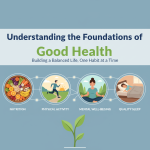
The dawn of 2026 has brought a monumental shift in how we perceive human health. We have moved past the era of viewing diet and exercise as isolated silos. Today, the most effective wellness strategies recognize that our bodies operate as a complex, interconnected web where every choice cascades into the next. If you are looking to optimize your performance, mental clarity, and long term health, you must understand the deep biological relationship between sleep, nutrition, and physical activity. This is no longer just advice; it is the new standard of precision medicine and personalized wellness.
- The Foundation of Systemic Repair: Sleep as the Primary Driver
- Fueling the Biological Engine: The Evolution of Nutrition
- The Catalyst for Cellular Renewal: Movement as Medicine
- The Synergy: How the Three Pillars Interact
- How Sleep Dictates Your Diet
- How Nutrition Influences Sleep Quality
- The Feedback Loop Between Exercise and Sleep
- The Role of AI and Wearable Tech in 2026
- A Daily Protocol for Bio-Synergistic Success
- The Future of Longevity
The Foundation of Systemic Repair: Sleep as the Primary Driver
In the current health landscape, sleep is no longer considered a passive state of rest. It is now recognized as the body’s most active period for cellular detoxification and cognitive consolidation. Research released in early 2026 confirms that sleep quality is the single best predictor of metabolic health and cognitive resilience.
The Glymphatic System and Brain Health
One of the most significant breakthroughs in recent years involves the glymphatic system, which is essentially the brain’s waste clearance mechanism. During deep sleep, the space between brain cells increases, allowing cerebrospinal fluid to wash away metabolic byproducts like amyloid-beta. Without high quality sleep, these neurotoxins accumulate, leading to brain fog and increasing the risk of neurodegenerative conditions. As we navigate 2026, the focus has shifted from sleep duration to sleep architecture, specifically the balance between REM and Deep Sleep.
Circadian Rhythm Optimization in 2026
Modern technology has allowed us to track our internal clocks with unprecedented accuracy. We now understand that every organ in the body has its own peripheral clock. When you stay up late under blue light, you are not just tired; you are causing a systemic misalignment. This “circadian mismatch” is a leading driver of modern metabolic issues. The trend this year involves “circadian-timed living,” where light exposure and temperature are tightly controlled to align with our biological heritage.
Fueling the Biological Engine: The Evolution of Nutrition
Nutrition in 2026 has moved far beyond simple calorie counting. We are now in the age of metabolic flexibility and nutrigenomics. What you eat is not just fuel; it is information that tells your genes how to express themselves.
The Rise of Personalized Microbiome Nutrition
We now know that two people can eat the identical meal and have completely different blood sugar responses based on their gut microbiome. Advanced AI-driven nutrition platforms now analyze your unique bacterial profile to provide real-time dietary suggestions. This level of precision helps manage inflammation and ensures that the nutrients you consume are actually being absorbed and utilized for repair.
Metabolic Flexibility and Nutrient Timing
The goal for most high performers in 2026 is metabolic flexibility, which is the body’s ability to switch seamlessly between burning carbohydrates and burning fat. This is achieved not just by what you eat, but when you eat. Strategic fasting windows and protein-forward diets are being used to maintain muscle mass while optimizing insulin sensitivity. We are seeing a massive trend toward “nutrient-dense, low-toxin” eating patterns that prioritize bioavailable proteins and polyphenols.
The Catalyst for Cellular Renewal: Movement as Medicine
Physical activity is the third pillar that binds everything together. In 2026, the conversation has shifted toward “functional longevity.” We are no longer just training for aesthetics; we are training to maintain mobility and cognitive function for decades to come.
Zone 2 Cardio and Mitochondrial Health
There is a renewed focus on Zone 2 aerobic training, which is steady-state exercise performed at a heart rate where you can still hold a conversation. This specific intensity has been shown to be the most effective for building mitochondrial density. Healthy mitochondria are essential because they are the powerhouses of your cells. When your mitochondria are efficient, your body can process nutrients better and recover from sleep more effectively.
Strength Training as a Metabolic Buffer
Muscle is now viewed as an endocrine organ. By engaging in regular resistance training, you are creating a “metabolic buffer” that helps regulate blood sugar and hormone levels. In 2026, strength training is recommended for all age groups, with a heavy emphasis on compound movements that improve bone density and balance.
The Synergy: How the Three Pillars Interact
The real magic happens at the intersection of these three disciplines. You cannot maximize one without the other two.
How Sleep Dictates Your Diet
Have you ever noticed that you crave sugary, high calorie foods after a poor night of sleep? This is not a lack of willpower; it is biology. Sleep deprivation disrupts the hormones ghrelin and leptin. Ghrelin, the hunger hormone, spikes, while leptin, the satiety hormone, plummets. This creates a state of “metabolic hunger” where your brain demands quick energy to compensate for the lack of rest. In short, better sleep is the most effective tool for appetite control.
How Nutrition Influences Sleep Quality
Conversely, your diet significantly impacts how well you sleep. Consuming caffeine too late in the day blocks adenosine receptors, preventing the build-up of sleep pressure. High sugar meals before bed can cause nocturnal glucose spikes and crashes, leading to “micro-awakenings” that ruin your sleep architecture. The latest 2026 studies suggest that a diet rich in magnesium and certain amino acids like tryptophan can naturally enhance the production of melatonin, leading to deeper, more restorative rest.
The Feedback Loop Between Exercise and Sleep
Regular physical activity is a powerful tool for improving sleep, but the timing matters. Intense exercise raises core body temperature and cortisol levels, which can interfere with sleep if done too close to bedtime. However, morning or afternoon exercise helps anchor your circadian rhythm, making it easier to fall asleep at night. This creates a virtuous cycle where exercise improves sleep, and better sleep provides the energy and hormonal environment needed for better exercise performance.
The Role of AI and Wearable Tech in 2026
We cannot discuss health in 2026 without mentioning the role of advanced biometrics. Wearable devices have evolved from simple step counters to clinical-grade health monitors.
Real-Time Biofeedback
Current wearables track Heart Rate Variability (HRV), which is a key indicator of your nervous system’s state. If your HRV is low, it suggests that your body has not recovered from the previous day’s stress or activity. In this case, an AI-driven coach might suggest a “restorative day” with focused nutrition and extra sleep rather than a high-intensity workout. This data-driven approach prevents burnout and overtraining.
Continuous Glucose Monitoring (CGM) for Non-Diabetics
One of the biggest trends this year is the widespread use of CGMs by people who are not diabetic. These sensors provide a real-time look at how specific foods, stress, and lack of sleep affect your blood sugar. This visibility allows for immediate behavioral changes, such as going for a walk after a high carb meal to blunt the glucose spike, which directly protects your metabolic health.
A Daily Protocol for Bio-Synergistic Success
To put this into practice, here is a simplified daily structure based on the latest 2026 health research.
- Morning: Exposure to natural sunlight within 30 minutes of waking to set your circadian clock. Perform light activity like a 20 minute walk or Zone 2 session.
- Midday: Consume a high protein meal with plenty of fiber to maintain steady energy and focus. Use this time for your most demanding mental or physical tasks.
- Afternoon: This is the ideal window for heavy resistance training. Keep caffeine consumption to the early hours only.
- Evening: Dim the lights and avoid screens two hours before bed. Eat a lighter dinner that is easy to digest.
- Night: Maintain a cool, dark room (around 18 degrees Celsius). Aim for 7 to 9 hours of uninterrupted sleep to allow for systemic repair.
The Future of Longevity
As we move further into 2026, the integration of sleep, nutrition, and activity will become even more personalized. We are entering an era where your health is no longer a guessing game but a data-informed journey. By respecting the synergy between these three pillars, you are not just living longer; you are living better.
Conclusion on Implementation
By following the strategies outlined in this post, you are aligning your daily habits with the cutting edge of 2026 health science. The focus on high value biometrics, specific exercise modalities like Zone 2, and the deep understanding of hormonal health ensures that your body operates at its peak potential.