

Health is not merely the absence of disease but the proactive cultivation of wellness through every decade of existence. As we move through the first week of January 2026, the medical landscape has shifted from reactive treatments toward a personalized, predictive, and preventive model. This evolution is driven by breakthroughs in genomic sequencing, artificial intelligence (AI) in diagnostics, and a global emphasis on reducing the burden of chronic conditions.
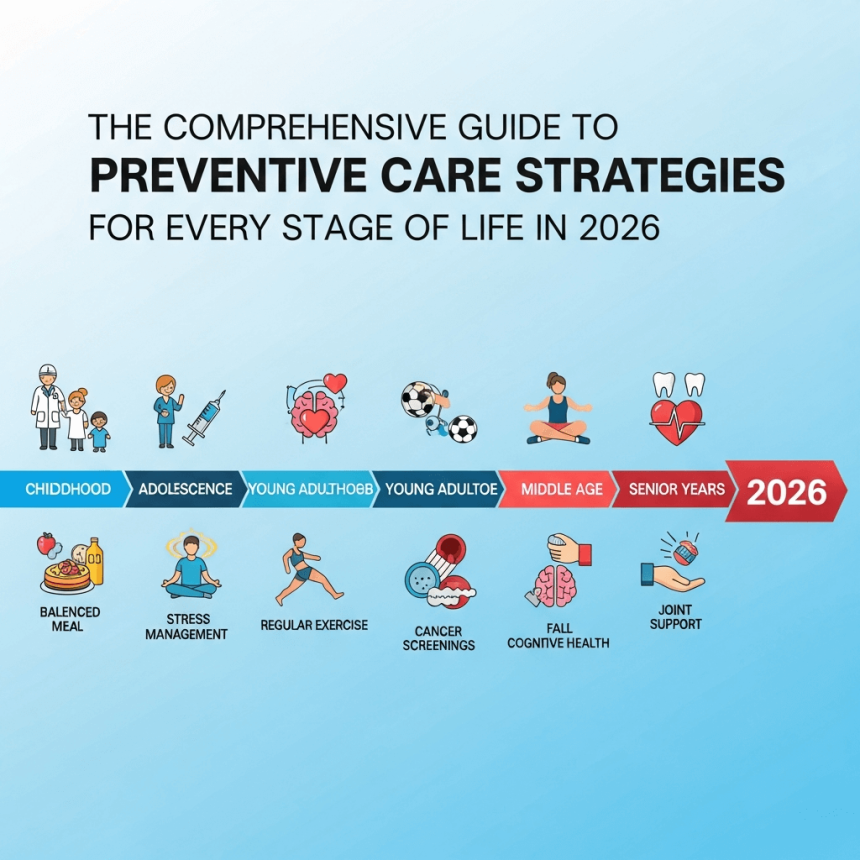
- The Foundation of Health: Infancy and Childhood (Ages 0 to 12)
- Navigating Change: Adolescence and Teen Wellness (Ages 13 to 19)
- Mental Health and Digital Wellness
- Human Papillomavirus (HPV) Prevention
- Lifestyle Habits and Substance Education
- Peak Performance: Young Adulthood (Ages 20 to 39)
- Updated Cervical Cancer Screenings (2026 Guidelines)
- Cardiovascular Foundations and Metabolic Health
- Reproductive Health and Family Planning
- The Turning Point: Middle Adulthood (Ages 40 to 64)
- The Evolution of Cancer Screenings
- Managing the Obesity Epidemic and Metabolic Syndrome
- Cardiovascular Health and Stress Management
- Longevity and Vitality: The Senior Years (Ages 65 and Beyond)
- The 2026 Technological Revolution in Preventive Care
- AI Agents and Virtual Hospitals
- Wearable Integration and Hyper-Personalization
- The Rise of Genomic Medicine
- The Economic Reality: The Value of Prevention
- Your 2026 Preventive Care Checklist
- Conclusion
Preventive care acts as a safeguard, ensuring that potential health issues are identified long before they escalate into high-cost medical emergencies. In today’s healthcare environment, staying ahead of the curve means understanding the specific screenings, vaccinations, and lifestyle adjustments required for your unique age group. This article explores the vital components of preventive medicine across the human lifespan, incorporating the latest 2026 clinical guidelines and technological advancements.
The Foundation of Health: Infancy and Childhood (Ages 0 to 12)
The earliest years of life are the most critical for establishing a biological foundation that supports lifelong wellness. Preventive care in childhood focuses on developmental milestones, nutritional support, and the building of a robust immune system.
Neonatal and Infant Screenings
From the moment of birth, preventive measures begin with newborn screenings for metabolic and genetic disorders. In 2026, these screenings have expanded to include more comprehensive genomic panels that can identify predispositions to conditions such as Type 1 diabetes or specific heart defects. Pediatricians emphasize the “First 1000 Days” as a window of opportunity where gut microbiome health and early neurodevelopment are prioritized.
The Role of Immunizations
Vaccination remains the most successful public health intervention in history. By early 2026, the rollout of advanced mRNA-based vaccines has streamlined childhood schedules, offering broader protection against respiratory syncytial virus (RSV) and evolving strains of pediatric influenza. Adhering to the recommended schedule prevents the resurgence of once-common illnesses and reduces the long-term risk of secondary complications.
Nutritional Excellence and Growth Monitoring
Preventive care for children involves more than just shots. It includes regular monitoring of height, weight, and Body Mass Index (BMI) to prevent the early onset of childhood obesity. Pediatric wellness exams now frequently include “Lifestyle Prescriptions,” which guide parents on balancing screen time with physical activity and ensuring a diet rich in whole foods. With the 2026 focus on gut health, many pediatricians are now recommending postbiotics and diverse fiber intake to support the developing immune system.
Navigating Change: Adolescence and Teen Wellness (Ages 13 to 19)
The teenage years are marked by rapid physical, emotional, and cognitive changes. Preventive care during this stage shifts toward mental health awareness, reproductive education, and the prevention of risky behaviors.
Mental Health and Digital Wellness
In 2026, mental health screenings have become a standardized part of every adolescent checkup. With the rise of digital integration, clinicians now use “Digital Wellness” metrics to assess the impact of social media and screen time on sleep patterns and anxiety levels. Early intervention for depression and anxiety in teens is proven to reduce the risk of chronic mental health struggles in adulthood.
Human Papillomavirus (HPV) Prevention
One of the most powerful preventive tools for this age group is the HPV vaccine. Ideally administered before age 15, this vaccine significantly reduces the risk of several types of cancer later in life. Medical experts continue to emphasize that early vaccination provides the most robust immune response.
Lifestyle Habits and Substance Education
Preventive care also involves open communication about substance use, including the latest trends in vaping and synthetic stimulants. By providing teenagers with evidence-based information and healthy coping mechanisms, healthcare providers help them navigate social pressures while protecting their long-term respiratory and neurological health.
Peak Performance: Young Adulthood (Ages 20 to 39)
For many, the 20s and 30s are years of high productivity and career building. However, neglecting preventive care during this period can lead to the silent accumulation of risk factors like high blood pressure and metabolic dysfunction.
Updated Cervical Cancer Screenings (2026 Guidelines)
As of January 5, 2026, the Health Resources and Services Administration (HRSA) has released updated guidelines for cervical cancer screening. A major advancement is the inclusion of self-collection options for HPV testing. Women aged 30 to 65 now have the option to collect their own samples for primary HPV testing, a move designed to increase screening rates and provide more privacy. For those aged 21 to 29, the recommendation remains a Pap test every three years, as co-testing is generally not advised for this younger demographic.
Cardiovascular Foundations and Metabolic Health
Heart health begins in your 20s. Routine blood work to check lipid profiles (cholesterol and triglycerides) and fasting blood glucose is essential. In 2026, many young adults are using wearable technology like smart rings to monitor their Heart Rate Variability (HRV) and resting heart rate, providing real-time data to their primary care providers. This data-driven approach allows for early detection of “silent killers” like hypertension.
Reproductive Health and Family Planning
Preventive care in young adulthood also encompasses reproductive wellness. This includes regular screenings for sexually transmitted infections (STIs), discussions about fertility preservation, and prenatal care for those planning to start a family. Modern medicine now offers highly personalized preconception screenings that assess genetic risks for prospective parents.
The Turning Point: Middle Adulthood (Ages 40 to 64)
The middle years represent a critical window where the risk of chronic diseases such as cancer, heart disease, and diabetes begins to climb. Preventive care during this stage is intensive and focused on early detection.
The Evolution of Cancer Screenings
Cancer remains a primary focus of medical expenditure and concern in 2026. For those in their 40s and 50s, the following screenings are non-negotiable:
- Mammography: Recent updates recommend that women at average risk initiate mammography screening no earlier than age 40 and no later than age 50, with screenings occurring at least every two years.
- Colorectal Screening: The age for initial colon cancer screening has shifted to 45 for most adults. In 2026, AI-enhanced colonoscopies and high-sensitivity stool-based tests (like Cologuard) have made early detection more accurate and less invasive.
- Prostate Screening: For men over 45, the Prostate-Specific Antigen (PSA) test is a standard tool for assessing risk, often combined with advanced imaging for more precise results.
Managing the Obesity Epidemic and Metabolic Syndrome
Obesity is a leading driver of healthcare costs in 2026. The widespread adoption of GLP-1 medications has revolutionized the treatment of obesity and Type 2 diabetes. However, preventive care emphasizes that these medications are most effective when paired with lifestyle modifications. Doctors are now prescribing “Metabolic Tune-ups” that focus on maintaining muscle mass through strength training while utilizing these medications to regulate blood sugar and weight.
Cardiovascular Health and Stress Management
The 40s and 50s are often peak years for career stress, which can take a toll on the heart. Beyond standard blood pressure checks, 2026 preventive care includes advanced cardiac imaging and the use of hsCRP (high-sensitivity C-reactive protein) markers to assess systemic inflammation. Stress management techniques, including biofeedback and mindfulness-based cognitive therapy, are increasingly covered by insurance as essential preventive services.
Longevity and Vitality: The Senior Years (Ages 65 and Beyond)
As life expectancy continues to rise, the goal of preventive care for seniors is to maximize “healthspan,” the years lived in good health, rather than just “lifespan.”
Bone Density and Mobility
Preventive care for seniors prioritizes the prevention of falls and fractures. Bone density scans (DEXA) are essential for diagnosing osteoporosis early. In 2026, geriatric care plans often include “Stability Training,” a combination of physical therapy and targeted exercise designed to improve balance and core strength.
Cognitive Health and Neuro-Preservation
The prevention of cognitive decline is a major frontier in 2026 medicine. Regular cognitive screenings can identify early signs of mild cognitive impairment. Emerging research highlights the importance of brain-healthy supplements, such as specific forms of creatine, and the maintenance of social connections in slowing the progression of neurodegenerative diseases.
Immunizations for the Golden Years
Seniors require specific vaccinations to protect against life-threatening infections. These include the high-dose influenza vaccine, the latest pneumonia vaccines, and the shingles (zoster) vaccine. Staying current on these immunizations is a cornerstone of preventing hospitalizations among older adults.
The 2026 Technological Revolution in Preventive Care
The current year has brought about a paradigm shift in how we approach health maintenance. Technology is no longer an accessory but a core component of the preventive care ecosystem.
AI Agents and Virtual Hospitals
Artificial Intelligence has transitioned from a backend tool to a patient-facing partner. AI agents now assist patients in tracking their symptoms, scheduling screenings, and managing chronic conditions in real time. Virtual hospitals have also become a reality, allowing for continuous remote monitoring of high-risk patients. This “hospital at home” model reduces the need for physical visits and allows for immediate intervention if vital signs fluctuate.
Wearable Integration and Hyper-Personalization
In 2026, the use of smart rings and advanced watches (like Oura and WHOOP) has reached a tipping point. These devices provide a continuous stream of data on sleep, recovery, and metabolic health. Doctors can now access this data through secure portals to create hyper-personalized wellness plans that are far more effective than generic advice.
The Rise of Genomic Medicine
Genomic testing is now more accessible and affordable than ever before. Understanding your genetic predispositions allows for “Precision Prevention.” For example, if a patient is found to have a genetic variant that increases their risk of cardiovascular disease, their doctor can implement aggressive lipid management and lifestyle interventions decades before a problem would typically arise.
The Economic Reality: The Value of Prevention
Investing in preventive care is not just a health decision; it is a financial one. As of early 2026, medical cost trends are projected to rise by 8.5% for group health plans. However, data shows that comprehensive preventive programs can save employers and individuals significant amounts by reducing high-cost claims.
Reducing the Burden of High-Cost Procedures
Chronic conditions like heart disease, cancer, and musculoskeletal (MSK) disorders are the primary drivers of healthcare spending. Early intervention in MSK care, for instance, through digital physical therapy, can prevent up to 80% of unnecessary surgeries. By identifying and managing these issues early, we reduce the economic strain on families and the broader healthcare system.
Insurance and Preventive Coverage
Most modern health insurance plans in 2026 provide 100% coverage for essential preventive services. This include annual physicals, recommended screenings, and vaccinations. Understanding your benefits and utilizing these services is the most effective way to protect both your health and your wallet.
Your 2026 Preventive Care Checklist
To ensure you are staying on top of your health this year, consider this simplified checklist based on the latest 2026 medical recommendations:
- Schedule Your Annual Wellness Exam: This is the time to review your family history, update your medications, and discuss any new symptoms.
- Know Your Numbers: Ensure you have current readings for blood pressure, HbA1c (blood sugar), and your lipid profile.
- Update Your Vaccinations: Check if you are due for a flu shot, COVID-19 booster, or age-specific vaccines like HPV or Shingles.
- Perform Recommended Cancer Screenings: Don’t delay your mammogram, colonoscopy, or Pap test based on your age and risk factors.
- Prioritize Mental Wellbeing: Use available resources for stress management and mental health counseling if needed.
- Optimize Your Lifestyle: Focus on a diet rich in whole foods, regular physical activity, and adequate sleep.
- Leverage Technology: Consider using a wearable device to gain insights into your daily health metrics and share them with your doctor.
Conclusion
Preventive care is a lifelong journey that adapts as we age. By embracing the technological advancements of 2026 and adhering to evidence-based clinical guidelines, we can move toward a future where health is preserved rather than just restored. Whether it is through the new self-collection cervical screenings, AI-driven diagnostics, or personalized nutrition, the tools for a healthier life are more accessible than ever before. Take the first step today by scheduling your next preventive checkup and making your well-being a non-negotiable priority.
Source Links for Further Reading
- U.S. Preventive Services Task Force (USPSTF): https://www.uspreventiveservicestaskforce.org
- Health Resources and Services Administration (HRSA) Women’s Guidelines: https://www.hrsa.gov/womens-guidelines
- Centers for Disease Control and Prevention (CDC) Prevention Guidelines: https://www.cdc.gov/prevention
- World Health Organization (WHO) Global Health Strategies: https://www.who.int
- PwC 2026 Medical Cost Trend Report: https://www.pwc.com/health-cost-trends