
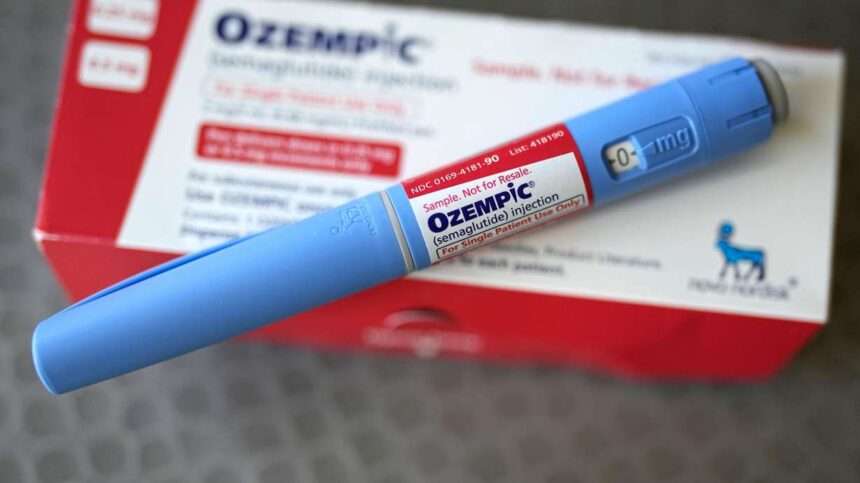
The landscape of modern medicine is witnessing a transformation that few could have predicted a decade ago. While glucagon-like peptide-1 (GLP-1) receptor agonists like semaglutide and tirzepatide were originally engineered to manage type 2 diabetes and later revolutionized weight management, their most profound impact may yet be found within the intricate architecture of the human brain.
- Understanding the Dopamine Connection and the Reward Pathway
- The Evolution from Food Noise to Drug Noise
- Alcohol Use Disorder: Breaking the Cycle of Consumption
- Tackling the Opioid Crisis with Neuro-Hormonal Tools
- Nicotine and Tobacco: A New Aid for Smoking Cessation
- The Scope Beyond Substances: Behavioral Addictions
- Daily Live Information: The 2026 GLP-1 Landscape
- Navigating Side Effects and Limitations
- The Role of Personalized Medicine
- Future Outlook: A Multi-Systemic Approach
- Summary of Key Takeaways for 2026
Recent clinical observations and groundbreaking studies released in early 2026 suggest that these medications do far more than regulate blood sugar or slow gastric emptying. They appear to be “quieting the noise” of addiction itself.
For decades, addiction medicine has searched for a “holy grail”—a pharmacological intervention capable of dampening the relentless cycle of craving and consumption across multiple substances. We are now entering an era where the same biological pathways that govern “food noise” are being leveraged to combat alcohol use disorder, nicotine dependence, and even opioid cravings.
Understanding the Dopamine Connection and the Reward Pathway
To understand why a metabolic medication would have any effect on substance use, we must look at the mesolimbic dopamine system. This is the brain’s “reward center,” primarily involving the ventral tegmental area (VTA) and the nucleus accumbens. When a person consumes alcohol, nicotine, or opioids, these substances trigger a surge of dopamine, creating a pleasurable “high” that the brain then seeks to replicate.
GLP-1 receptors are not just located in the gut or the pancreas; they are densely expressed throughout the central nervous system, including these critical reward zones. Research published in the Journal of the Endocrine Society and recent updates from early 2026 indicate that GLP-1 agonists modulate the release of dopamine. By binding to receptors in the VTA, these medications appear to lower the peak “reward” received from addictive substances. In simpler terms, if the “high” is less rewarding, the motivation to seek out the substance diminishes.
The Evolution from Food Noise to Drug Noise
One of the most frequent testimonials from patients using GLP-1s for weight loss is the disappearance of “food noise”—the intrusive, constant thoughts about eating. Scientists are now applying this same concept to “drug noise.” Dr. Ziyad Al-Aly, a leading researcher at Washington University School of Medicine, noted in a March 2024 study (with follow-up data emerging in 2026) that these drugs may target a common biological signal underlying all cravings.
This shift in perspective is revolutionary. Instead of treating addiction as a series of isolated disorders (one for tobacco, one for alcohol, one for opioids), we are beginning to see it as a systemic dysregulation of the reward pathway. If a single class of medication can stabilize this pathway, the implications for public health are staggering.
Alcohol Use Disorder: Breaking the Cycle of Consumption
Alcohol use disorder (AUD) is perhaps the area where we see the most immediate and promising human data. Recent trials, such as the Semaglutide Therapy for Alcohol Reduction (STAR) study, have provided critical insights into how these injections reduce both the urge to drink and the total volume of alcohol consumed.
In a landmark analysis of over 600,000 patients, researchers found that those on GLP-1 medications had an 18% lower risk of developing alcohol use disorder compared to those on other types of medications. More importantly, for those already struggling with AUD, the use of semaglutide was linked to a 50% reduction in alcohol-related deaths and a significant drop in hospitalizations.
The “quieting” effect on alcohol cravings is often described by patients as a loss of interest. The habitual “after-work drink” no longer provides the same relaxation or dopamine hit, making it easier for individuals to opt for healthier alternatives. This isn’t just a matter of willpower; it is a fundamental shift in the brain’s chemical response to the substance.
Tackling the Opioid Crisis with Neuro-Hormonal Tools
The opioid epidemic remains one of the most pressing challenges in global health. While medications like buprenorphine and methadone are effective, they are also opioids themselves and come with their own sets of challenges. GLP-1s offer a completely different, non-addictive approach.
Data from the Department of Veterans Affairs (VA) in 2026 suggests that GLP-1 initiation is associated with a 25% reduced risk of opioid use disorder. Even more striking is the 40% reduction in overdose rates among high-risk populations. By dampening the “craving spikes” that often lead to relapse, GLP-1s provide a protective buffer that allows patients to engage more effectively with behavioral therapies.
Nicotine and Tobacco: A New Aid for Smoking Cessation
Smoking cessation is notoriously difficult due to the rapid-fire dopamine delivery of nicotine. Traditional patches and gums replace the nicotine but do little to change the brain’s underlying craving architecture. Preclinical and early clinical data from 2025 and 2026 show that GLP-1 receptor agonists can reduce nicotine self-administration.
Patients often report that cigarettes “taste different” or simply feel “unnecessary” while on these medications. Furthermore, the weight-neutral or weight-loss benefits of GLP-1s address one of the primary fears of smokers: the weight gain that often follows quitting. This dual action makes it a uniquely powerful tool for long-term tobacco cessation.
The Scope Beyond Substances: Behavioral Addictions
If GLP-1s can regulate the dopamine reward system, could they also help with behavioral addictions like gambling, shopping, or compulsive internet use? While formal clinical trials are still in the early stages as of early 2026, anecdotal evidence and pilot studies are highly encouraging.
The same “incentive sensitization” that drives a person to a bottle of vodka drives a gambler to a slot machine. The brain is chasing a dopamine spike. By leveling out these peaks and valleys, GLP-1 medications may help individuals regain control over impulsive behaviors that have previously devastated their lives and finances.
Daily Live Information: The 2026 GLP-1 Landscape
As of today, March 5, 2026, the medical community is closely watching several key developments in this field:
- Oral GLP-1 Options: The recent launch of the Wegovy pill and the expected Q2 approval of orforglipron (a non-peptide oral GLP-1) are making treatment more accessible. Patients who are needle-phobic or live in rural areas now have easier access to these potential anti-addiction tools.
- CagriSema Pipeline: This combination of cagrilintide and semaglutide is currently under FDA review. Experts believe its dual-action approach might offer even stronger neuro-modulatory effects than semaglutide alone.
- Insurance and Access: In 2026, we are seeing a split in insurance coverage. While weight-loss coverage remains a battle, many plans are starting to recognize the “cardiovascular and chronic disease prevention” benefits of GLP-1s, which may eventually pave the way for addiction-specific indications.
- The Rise of “Micro-Dosing” Research: Some researchers are investigating whether lower doses of GLP-1s (below the standard weight-loss dose) are sufficient to manage cravings without the gastrointestinal side effects often seen at higher doses.
Navigating Side Effects and Limitations
No medication is a “miracle cure,” and GLP-1s are no exception. The most common side effects remain gastrointestinal: nausea, vomiting, and constipation. For some patients, these side effects are a barrier to consistent use. Furthermore, there is a risk of “anhedonia”—a general loss of pleasure in all activities—if the dopamine system is dampened too much. This is why medical supervision is critical.
Additionally, while the data is promising, it is largely observational. We must wait for the completion of major Phase 3 trials like the CRAVE (Cessation or Reduction of Alcohol Consumption in VEterans) trial, which is estimated to conclude its primary endpoint in 2028. We are currently in a “hopeful observation” phase rather than a “proven clinical standard” phase for addiction.
The Role of Personalized Medicine
As we move through 2026, the integration of AI and wearable technology is helping clinicians understand who will respond best to GLP-1 therapy. Genetic markers and real-time metabolic feedback can now help predict if a patient’s addiction is primarily driven by the dopamine reward pathway or other factors like trauma and environmental stress. This ensures that GLP-1s are used as part of a holistic, “precision medicine” approach to addiction.
Future Outlook: A Multi-Systemic Approach
The future of addiction medicine is not just about a single pill or injection. It is about understanding the crosstalk between the gut, the brain, and the endocrine system. GLP-1s have opened the door to a new way of thinking about mental health as an extension of metabolic health.
In the coming years, we may see “combination therapies” where GLP-1s are paired with traditional MAT (medication-assisted treatment) and advanced cognitive-behavioral therapy (CBT) to create a comprehensive shield against relapse.
Summary of Key Takeaways for 2026
- Mechanism: GLP-1s target dopamine receptors in the brain’s reward center, reducing the “high” from substances.
- Alcohol: Significant reductions in “alcohol noise,” drinks per day, and alcohol-related mortality.
- Opioids: Association with lower overdose rates and reduced cravings in high-risk populations.
- Nicotine: Helps prevent weight gain while reducing the urge to smoke.
- Behavioral: Early potential for treating gambling and compulsive behaviors.
- Availability: New oral versions in 2026 are increasing access and convenience.