


A single blood test can predict heart diseases up to 15 years before onset


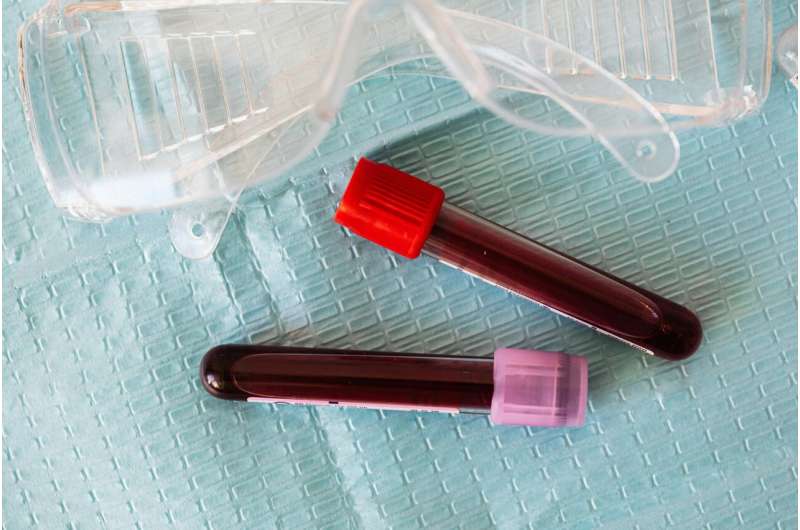
A research team from the Department of Pharmacology and Pharmacy at the LKS Faculty of Medicine of the University of Hong Kong (HKUMed) has developed an innovative AI-based cardiovascular risk prediction tool, called CardiOmicScore. With a single blood test, the system can accurately forecast the future risk of six major cardiovascular diseases (CVDs): coronary artery disease, stroke, heart failure, atrial fibrillation, peripheral artery disease, and venous thromboembolism. It can also provide early warning signals up to 15 years before clinical onset. The findings are published in Nature Communications.
AI-based multiomics integration reflects the body’s real-time health status
CVDs remain the leading cause of death worldwide, accounting for approximately 19.8 million fatalities in 2022 alone. In routine health assessments, physicians typically evaluate cardiovascular risk based on age, blood pressure, smoking, and other conventional clinical indicators.
However, these measures often fail to capture subtle and early biological changes before the disease becomes clinically apparent, leading to many patients missing the optimal window for preventive intervention. Although polygenic risk scores have become popular in recent years, genetic predisposition is largely fixed at birth and does not change over time.
Consequently, polygenic risk scores cannot reflect the immediate impact on health conditions resulting from lifestyle or environmental changes. This creates an urgent need for tools that can capture a person’s current biological state and provide accurate, early warnings for CVDs.
To address this problem, the HKUMed research team applied deep learning techniques to integrate multiomics data, including genomics, metabolomics, and proteomics, to develop the CardiOmicScore tool.
The study was based on large-scale population data from the UK Biobank, analyzing 2,920 circulating proteins and 168 metabolites measured from blood samples. These molecular signals act as “real-time recorders” of the body, sensitively reflecting subtle changes in the immune system, metabolism, and vascular health.
Professor Zhang Qingpeng, Associate Professor in the Department of Pharmacology and Pharmacy at HKUMed, explained, “Genes determine where we start—they define our baseline health risk. However, proteins and metabolites reflect our current physical health.
“Our AI tool is designed to decode these complex molecular signals, enabling doctors and patients to identify risks much earlier, which can potentially change the trajectory of disease through timely lifestyle modifications and early prevention.”
Accurate prediction of six major cardiovascular diseases
The results showed that CardiOmicScore transforms complex multiomics measurements into personalized risk scores with substantially improved predictive performance compared with conventional polygenic risk scores.
When combined with clinical information such as age and gender, the model significantly enhanced the risk prediction accuracy of six common CVDs and can even flag elevated risk up to 15 years before symptoms appear.
This study marks a shift in precision medicine from a static, gene-centric paradigm towards a more dynamic, multiomics-based approach. In the future, a small-volume blood sample may be sufficient to generate a comprehensive cardiovascular risk profile for multiple diseases.
Professor Zhang added, “We aim to leverage technology to identify and prevent diseases before they develop. By shifting health management from reactive treatment to proactive prediction and intervention, we aim to create a lasting impact for both public health and individual patient care.”
Publication details
Yan Luo et al, AI-based multiomics profiling reveals complementary omics contributions to personalized prediction of cardiovascular disease, Nature Communications (2026). DOI: 10.1038/s41467-026-68956-6
Journal information:
Nature Communications
Key medical concepts
Heart FailureCoronary Artery DiseaseMultiomicsBlood Proteins
Clinical categories
A single blood test can predict heart diseases up to 15 years before onset (2026, March 12)
retrieved 12 March 2026
from https://medicalxpress.com/news/2026-03-blood-heart-diseases-years-onset.html
part may be reproduced without the written permission. The content is provided for information purposes only.
📰 This article was curated and published by
HEALTH GUIDANCE HUB
— your trusted source for the latest health news, medical research, and wellness guidance.
Visit us at https://healthguidancehub.space/ for more health insights.
