

The Evolution of Wellness: Why 2026 is the Year of the Healthspan
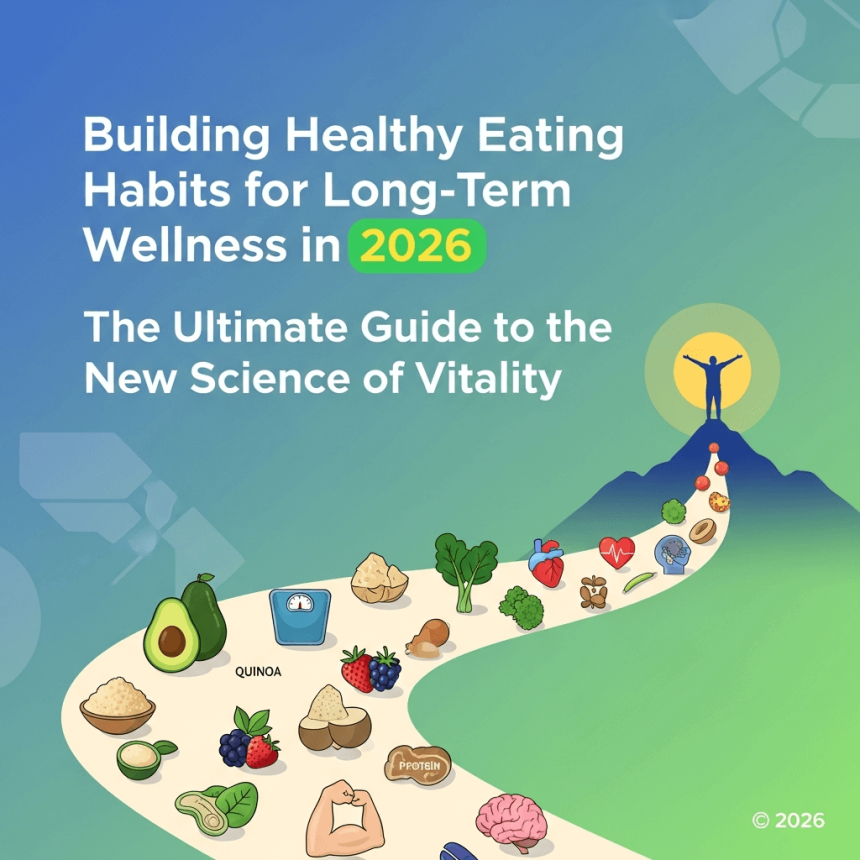
The global conversation around health has undergone a massive transformation as we enter 2026. We are no longer just talking about how long we can live, which is known as our lifespan. Instead, the focus has shifted entirely toward the concept of healthspan. This represents the total number of years we spend in optimal health, free from chronic illness and cognitive decline. Building healthy eating habits is the most significant investment an individual can make to ensure their vitality span matches their chronological age.
- The Evolution of Wellness: Why 2026 is the Year of the Healthspan
- The Psychology of Sustainable Eating: Rewiring the Brain for Better Choices
- The Microbiome Frontier: Feeding Your Internal Ecosystem
- Personalized Nutrition: The Intersection of AI and DNA
- The Mediterranean Plus Model: Longevity in Every Bite
- Medical Advancements and Nutrition: The GLP-1 Companion Era
- Hydration 2.0: Beyond Just Water
- Practical Strategies for Building Lasting Habits
- The Gut-Brain Axis: Eating for Mental Health
- Preventive Care: Your Health as Your Greatest Financial Asset
- Starting Your Wellness Journey Today
Recent data from the Global Wellness Institute indicates that the personalized and preventative medicine sector is now worth over 745 billion dollars. This shift is driven by a collective realization that traditional, reactive healthcare is insufficient. Consumers are now seeking low-friction prevention strategies that can be integrated into daily life before symptoms ever escalate. This guide will explore the intersection of ancient dietary wisdom and cutting-edge 2026 technology to help you build a sustainable foundation for long-term wellness.
The Psychology of Sustainable Eating: Rewiring the Brain for Better Choices
One of the primary reasons diets fail is that they focus on restriction rather than habit architecture. In 2026, top nutritionists emphasize the role of neuroplasticity in dietary change. Our brains are wired to seek calorie-dense, hyper-palatable foods, but we can actively rewire these pathways through consistent, small-scale interventions.
The Power of Micro-Habits in Nutrition
Instead of overhauled dietary regimes, the most successful individuals in 2026 utilize micro-habits. This might involve adding a single serving of leafy greens to a morning meal or ensuring that the first glass of liquid consumed each day is mineral-rich water. Over time, these small actions become automated, reducing the cognitive load required to make healthy choices. This approach aligns with the 80/20 rule, where 80 percent of your results come from 20 percent of your most consistent efforts.
Emotional Fitness and Mindful Consumption
Emotional fitness has emerged as a key wellness trend this year. It involves recognizing emotional signals early and responding with structured regulation techniques rather than using food as a primary coping mechanism. Mindful eating, which involves slowing down and eliminating digital distractions during meals, allows the body to properly register satiety signals. This practice is essential for preventing the overconsumption often triggered by stress or boredom.
The Microbiome Frontier: Feeding Your Internal Ecosystem
The gut microbiome is now recognized as the central hub of human health, regulating up to 85 percent of the immune system. In 2026, the term “fibermaxxing” has gained massive traction on social media and in clinical circles. This movement focuses on maximizing the diversity and quantity of plant fibers to nourish the trillions of bacteria living in our digestive tracts.
Fermented Foods and Live Cultures
Recent clinical data from 2025 and 2026 confirm that fermented foods like kefir, kimchi, and kombucha are foundational pillars of a data-driven microbiome strategy. These foods introduce beneficial microbes that produce short-chain fatty acids, which are crucial for reducing systemic inflammation and supporting brain function.
Marine Superfoods: The Rise of Seaweed
Seaweed and marine vegetation have transitioned from niche health products to mainstream staples. Varieties such as wakame and kombu serve as unique fiber-dense substrates that nourish beneficial gut strains in ways that terrestrial plants cannot match. These marine prebiotics are also rich in iodine, which is vital for thyroid health and metabolic regulation.
Personalized Nutrition: The Intersection of AI and DNA
The era of the “one-size-fits-all” diet is officially over. In 2026, personalized nutrition is being powered by sophisticated AI-driven platforms and wearable technology.
AI-Driven Meal Planning
Generative AI is now being used to create hyper-personalized meal plans based on an individual’s unique biological markers. According to recent research from the MIT Sloan School of Management, participants using tailored AI in weight loss programs saw significantly better outcomes than those following generic advice. These AI systems can analyze photos of meals in real-time, providing immediate feedback on macronutrient balance and potential inflammatory triggers.
Wearable Metabolic Feedback
The integration of continuous glucose monitors (CGMs) and smart rings like the Oura Ring has become commonplace for those serious about long-term wellness. These devices provide real-time data on how specific foods affect blood sugar levels and sleep quality. By understanding your unique glycemic response to a piece of fruit or a bowl of grains, you can adjust your eating habits to maintain stable energy levels and prevent metabolic dysfunction.
The Mediterranean Plus Model: Longevity in Every Bite
While many dietary trends come and go, the Mediterranean diet remains the gold standard for heart health and longevity. In 2026, experts are promoting the “Mediterranean Plus” model, which combines traditional staples with modern functional ingredients.
Essential Components of the Longevity Diet
- Healthy Fats: Prioritize extra virgin olive oil, avocados, and omega-3 rich nuts like walnuts. These fats are essential for cognitive health and hormonal balance.
- Lean Proteins: Focus on fatty fish like salmon and sardines, supplemented with plant-based sources like lentils and chickpeas.
- Whole Grains: Opt for ancient grains like farro, quinoa, and teff, which provide more minerals and fiber than refined wheat.
- Polyphenol-Rich Produce: A colorful variety of fruits and vegetables ensures a broad spectrum of antioxidants to combat oxidative stress.
Medical Advancements and Nutrition: The GLP-1 Companion Era
The rise of GLP-1 medications such as Wegovy and Mounjaro has revolutionized weight management in 2026. However, medical professionals stress that these medications must be supported by “companion nutrition” to be effective in the long term.
Nutrient Density and Muscle Retention
When caloric intake is significantly reduced by medication, every calorie must be nutrient-dense. There is a heightened focus on high-protein diets to prevent the loss of lean muscle mass, a common side effect of rapid weight loss. Strategic supplementation with creatine and electrolytes is also being utilized to support muscle strength and cognitive function during these metabolic shifts.
Hydration 2.0: Beyond Just Water
In 2026, hydration has evolved from simply drinking eight glasses of water to a more sophisticated understanding of cellular fluid balance. Functional beverages that prioritize potassium and magnesium over simple sodium are leading the market.
The Role of Electrolytes and Clarity
Nearly 86 percent of consumers now reach for functional hydration drinks in the morning to achieve mental clarity rather than relying on caffeine. These “Hydration 2.0” products often include adaptogens like ashwagandha or nootropics like L-theanine to support the nervous system while ensuring the body is properly hydrated at a cellular level.
Practical Strategies for Building Lasting Habits
Building healthy eating habits requires a structural approach to your environment and routine.
Master the Art of Meal Prepping
Dedicate time each week to plan and prepare the foundations of your meals. This reduces the “decision fatigue” that often leads to poor food choices during a busy work week. Keeping your kitchen stocked with healthy staples like pre-washed greens, frozen berries, and cooked grains makes it easier to assemble a balanced meal in minutes.
The Audit: Pantry and Fridge Optimization
Your environment dictates your behavior. Conducting a regular audit of your pantry to remove highly processed foods containing artificial sweeteners and trans fats is a crucial step. Replace these with nutrient-dense alternatives like roasted seaweed snacks, raw nuts, and dark chocolate with high cacao content.
The Gut-Brain Axis: Eating for Mental Health
The link between what we eat and how we feel has never been clearer. In 2026, “Mental Nourishment” is a top trend, as 27 percent of global consumers have changed their diet specifically to manage their mental health.
Low-Carb Diets for Emotional Balance
While high-fiber diets are essential for the gut, many find that moderate low-carb approaches help stabilize mood by preventing blood sugar spikes and crashes. This “metabolic psychiatry” approach is being used to support traditional therapies for anxiety and depression.
Preventive Care: Your Health as Your Greatest Financial Asset
In 2026, people are increasingly viewing their wellness through a financial lens. Investing in high-quality nutrition and regular health screenings is seen as a way to avoid the massive costs associated with chronic disease management later in life.
The Rise of Wellness Concierge Services
Corporate wellness programs and private health clubs are now offering “wellness concierge” services. these programs provide members with access to registered dietitians, metabolic testing, and personalized supplement protocols. This proactive approach ensures that any nutritional deficiencies or metabolic shifts are addressed long before they become clinical issues.
Starting Your Wellness Journey Today
Building healthy eating habits for long-term wellness is a journey, not a destination. By embracing the power of the gut microbiome, leveraging AI-driven personalization, and focusing on the Mediterranean-style longevity diet, you can significantly enhance your healthspan. Remember that perfection is not the goal; consistency is.