The pursuit of cognitive longevity and mental clarity has reached a new peak in 2026. As we navigate an era defined by rapid information flow and high mental demand, the relationship between our dietary choices and our neurological performance has never been more vital. Modern research confirms that what you eat does not just fuel your body; it fundamentally structures your brain, influences your mood, and protects your cognitive reserve for decades to come.
- The Foundation of Cognitive Vitality: Omega-3 Fatty Acids
- The Flavonoid Revolution: Berries and Pigmented Fruits
- The Green Leafy Advantage: Vitamin K and Lutein
- Turmeric and Curcumin: The Golden Neuro-Protector
- The Gut-Brain Axis: Fermented Foods and Probiotics
- Nuts and Seeds: Healthy Fats and Vitamin E
- The Rise of Functional Mushrooms: Lion’s Mane
- Whole Grains and Sustained Energy
- Beverages for Clarity: Coffee and Green Tea
- Dark Chocolate: The Cognitive Treat
- Your 2026 Brain-Health Daily Meal Plan
- Daily Information and Recent Scientific Updates
- Scientific Sources and Further Reading
This comprehensive guide explores the most effective, science-backed foods that improve brain health, incorporating the latest 2026 nutritional breakthroughs and daily insights from the world of neuro-nutrition.
The Foundation of Cognitive Vitality: Omega-3 Fatty Acids
When discussing brain health, fatty fish remains the undisputed king of the category. Your brain is approximately 60 percent fat, and nearly half of that fat is the omega-3 variety. These essential fatty acids are used to build brain and nerve cells, making them crucial for learning and memory.
Fatty Fish and Neuroplasticity
In 2026, the emphasis has shifted from general omega-3 intake to the specific ratios of DHA (Docosahexaenoic Acid) and EPA (Eicosapentaenoic Acid). Recent longitudinal studies have shown that consistent consumption of fatty fish like salmon, trout, albacore tuna, and sardines is linked to increased gray matter in the brain. Gray matter contains most of the nerve cells that control decision-making, memory, and emotion.
For those seeking peak mental performance, a minimum of two servings per week is recommended. In 2026, we are also seeing a surge in high-quality, sustainable algae-based omega-3 sources, which provide the same bioavailable DHA for those following plant-forward diets.
The Flavonoid Revolution: Berries and Pigmented Fruits
One of the most exciting areas of research in early 2026 involves the impact of polyphenols on the blood-brain barrier. Specifically, flavonoids, the natural plant pigments that give berries their brilliant colors, have been shown to improve communication between brain cells and increase neuroplasticity.
Blueberries: The Brain Berry
Blueberries are often cited as the ultimate brain food. They contain anthocyanins, a group of plant compounds with anti-inflammatory and antioxidant effects. Antioxidants act against both oxidative stress and inflammation, conditions that can contribute to brain aging and neurodegenerative diseases.
Daily reports from nutritional science journals in 2026 suggest that “wild” varieties of blueberries may contain up to twice the antioxidant capacity of conventional berries. Integrating a cup of these into your morning routine can provide a measurable boost in short-term memory and executive function.
Strawberries and Blackberries
Beyond blueberries, strawberries are rich in fisetin, a flavonoid that has shown promise in recent clinical trials for its ability to clear “senescent” or aged cells from the brain. This process, often called senolysis, is a key focus of anti-aging research this year, making strawberries a staple in any neuro-protective diet.
The Green Leafy Advantage: Vitamin K and Lutein
If there is one food group that nutritionists in 2026 agree is non-negotiable for brain health, it is leafy greens. Vegetables such as kale, spinach, collards, and broccoli are packed with nutrients like vitamin K, lutein, folate, and beta carotene.
The Role of Vitamin K2
In 2026, the specific role of Vitamin K2 in preventing the calcification of brain arteries has gained significant attention. Research suggests that Vitamin K helps form sphingolipids, a type of fat that is densely packed into brain cells. High intake of leafy greens has been consistently linked to a slower rate of cognitive decline, with some studies suggesting that those who eat a serving a day have the cognitive abilities of someone eleven years younger.
Turmeric and Curcumin: The Golden Neuro-Protector
Turmeric has been a staple of traditional medicine for centuries, but in 2026, its role as a “nootropic” or brain-booster has been solidified by advanced bioavailability technology. Curcumin, the active ingredient in turmeric, has the unique ability to cross the blood-brain barrier and enter the brain directly.
Benefits of Curcumin in 2026
- Anti-inflammatory Effects: Curcumin is a potent anti-inflammatory compound that helps clear the brain of amyloid plaques, which are hallmarks of Alzheimer’s disease.
- Boosting BDNF: It increases levels of brain-derived neurotrophic factor (BDNF), a type of growth hormone that helps brain cells grow.
- Mood Elevation: Recent 2025 and 2026 studies have highlighted curcumin’s role in boosting serotonin and dopamine, providing a natural lift to mood and focus.
To maximize these benefits, always consume turmeric with black pepper, which contains piperine, a substance that increases curcumin absorption by 2,000 percent.
The Gut-Brain Axis: Fermented Foods and Probiotics
One of the most significant shifts in the 2026 health landscape is the widespread understanding of the “gut-brain axis.” We now know that the health of our microbiome directly dictates the health of our mind. The gut produces about 95 percent of the body’s serotonin, a neurotransmitter that regulates mood and sleep.
Probiotic-Rich Staples
Incorporating fermented foods like Greek yogurt, kefir, kimchi, sauerkraut, and kombucha into your daily diet introduces beneficial bacteria to your digestive system. These bacteria produce short-chain fatty acids that reduce neuro-inflammation. Latest daily trends in nutrition emphasize “fibermaxxing,” the practice of consuming high amounts of prebiotic fibers to feed these beneficial microbes, further enhancing mental clarity and reducing “brain fog.”
Nuts and Seeds: Healthy Fats and Vitamin E
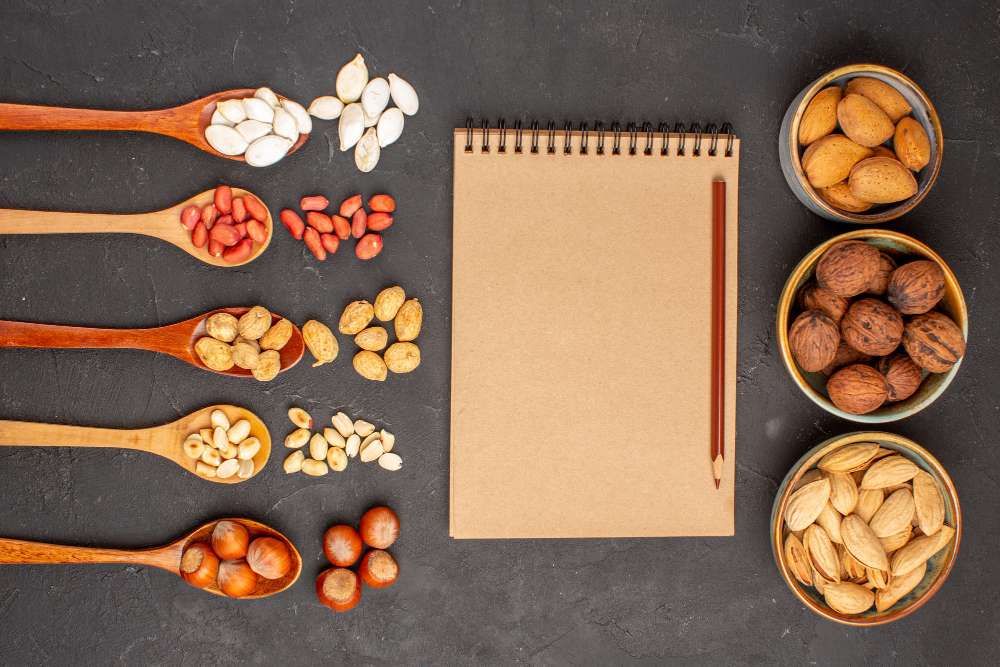
Nuts and seeds are concentrated sources of healthy fats and antioxidants. In particular, walnuts have been singled out in 2026 research for their high concentration of DHA and their unique shape, which some argue is nature’s way of signaling their benefits for the brain.
Vitamin E and Cognitive Aging
Seeds like sunflower seeds and pumpkin seeds are rich in Vitamin E. This antioxidant protects cells from oxidative stress caused by free radicals. As we age, the brain is highly susceptible to this stress, making Vitamin E an essential component for maintaining cognitive integrity. Pumpkin seeds, in particular, are a powerhouse of magnesium, iron, zinc, and copper, all of which are vital for nerve signaling and preventing memory loss.
The Rise of Functional Mushrooms: Lion’s Mane
As we move through February 2026, the use of functional mushrooms has moved from niche supplement stores to mainstream culinary kitchens. Lion’s Mane (Hericium erinaceus) is the star of this movement.
Neurogenesis and Lion’s Mane
Lion’s Mane contains two special compounds: hericenones and erinacines. These compounds stimulate the growth of brain cells and have been shown in recent trials to improve the function of the hippocampus, the region of the brain responsible for processing memories and emotional responses. Adding Lion’s Mane to your diet, whether through fresh sautéed mushrooms or high-purity extracts, is one of the most proactive steps you can take for neurogenesis in 2026.
Whole Grains and Sustained Energy
The brain cannot function without energy, and its preferred fuel is glucose. However, the source of that glucose matters immensely. In 2026, the focus is on “Low-GI” (Glycemic Index) whole grains that release energy slowly into the bloodstream.
Maintaining Focus with Complex Carbs
Whole grains like quinoa, brown rice, oats, and whole-grain bread help prevent the “sugar crashes” that lead to irritability and loss of focus. By providing a steady supply of energy, these grains ensure that the brain’s executive functions stay sharp throughout the workday.
Beverages for Clarity: Coffee and Green Tea
Your daily beverage choices play a significant role in your cognitive profile. Caffeine and antioxidants found in coffee and tea provide more than just a temporary wake-up call.
The Power of L-Theanine
Green tea, especially Matcha, is highly valued in 2026 for its combination of caffeine and L-theanine. L-theanine is an amino acid that can cross the blood-brain barrier and increase the activity of the neurotransmitter GABA, which helps reduce anxiety and makes you feel more relaxed without making you tired. This “calm alertness” is the ideal state for deep work and creative problem-solving.
Dark Chocolate: The Cognitive Treat
Good news for chocolate lovers: dark chocolate and cocoa powder are packed with brain-boosting compounds. To reap the benefits, aim for chocolate with a cocoa content of 70 percent or higher.
Improved Blood Flow
Flavonoids in chocolate gather in the areas of the brain that deal with learning and memory. Researchers believe these compounds may enhance memory and also help slow down age-related mental decline. In 2026, dark chocolate is often recommended as a mid-afternoon snack to improve blood flow to the brain and enhance focus during the “afternoon slump.”
Your 2026 Brain-Health Daily Meal Plan
Integrating these foods into a cohesive lifestyle is the key to seeing results. Here is a sample of what a high-performance brain-health day looks like in 2026.
- Breakfast: Steel-cut oats topped with wild blueberries, walnuts, and a sprinkle of cinnamon, served with a cup of Matcha green tea.
- Lunch: A large spinach and kale salad with grilled salmon, avocado, pumpkin seeds, and a dressing made of extra virgin olive oil and lemon.
- Afternoon Snack: A square of 85 percent dark chocolate and a handful of almonds.
- Dinner: Stir-fried Lion’s Mane mushrooms with broccoli, bell peppers, and quinoa, seasoned with turmeric and black pepper.
- Evening: A small serving of Greek yogurt with chia seeds and a glass of water with electrolytes.
Daily Information and Recent Scientific Updates
As of February , 2026, new data from the European Partnership for Brain Health has highlighted that the synergy between nutrients is more important than any single “superfood.” This means that eating a variety of these foods together, such as pairing healthy fats with leafy greens, significantly increases the absorption of fat-soluble vitamins like K and E.
Furthermore, emerging research in 2026 suggests that “intermittent metabolic switching,” which involves periods of healthy eating followed by short fasts, may further enhance the neuro-protective effects of the Mediterranean and MIND diets.
Scientific Sources and Further Reading
To stay updated with the latest in neurological nutrition, consult these high-authority sources: