

In the landscape of 2026, the global perspective on health has undergone a seismic shift. We are no longer merely obsessed with living longer; we are obsessed with living better. This transition from focusing on lifespan to prioritizing healthspan has placed nutrition at the very center of the modern lifestyle. As of today, January 6, 2026, the latest health data indicates that more individuals than ever are turning to evidence based dietary strategies to combat the silent epidemic of chronic inflammation and metabolic dysfunction.
- The Flexitarian Revolution: A Sustainable Path to Health
- Fibermaxxing: The 2026 Obsession with Gut Health
- Metabolic Resilience: Muscle as a Health Marker
- The Gut-Brain Axis: Nutrition for Mental Clarity
- Personalized Nutrition and the Role of AI
- The Ultra-Processed Reckoning: Navigating the Silent Epidemic
- Women’s Health and Hormonal Synergy
- Practical Steps for a Balanced 2026 Lifestyle
- Conclusion: Future Proofing Your Health
Balanced nutrition is not a static concept. It is a dynamic, evolving science that integrates our biological needs with the environmental realities of the 21st century. Whether you are navigating the rise of personalized AI nutrition or exploring the benefits of a flexitarian approach, understanding how fuel affects your cellular health is the first step toward peak performance. This comprehensive guide explores the multi dimensional impact of nutrition on your physical and mental well being, providing you with the tools to optimize your life.
The Flexitarian Revolution: A Sustainable Path to Health
One of the most significant trends defining 2026 is the rise of the flexitarian diet. This eating pattern, which prioritizes plant based foods while allowing for the occasional consumption of high quality animal protein, has become the gold standard for sustainability and personal health. Research published in the early weeks of this year confirms that flexitarianism offers a practical middle ground for those who want to reduce their environmental footprint without the restrictive nature of a strictly vegan or vegetarian lifestyle.
The success of the flexitarian approach lies in its nutrient density. By focusing on a diverse array of vegetables, legumes, whole grains, and nuts, individuals naturally increase their intake of essential vitamins and minerals. The inclusion of moderate amounts of lean protein, such as wild caught fish or pasture raised poultry, ensures that the body receives crucial nutrients like Vitamin B12 and iron, which can sometimes be lacking in plant only diets. This balance supports cardiovascular health, aids in weight management, and reduces the risk of Type 2 diabetes.
Current market data for January 2026 shows a 15 percent increase in the consumption of “plant forward” meals compared to this time last year. This trend is driven by a growing awareness that small, consistent shifts in dietary habits can lead to profound long term health outcomes. For more information on the principles of a healthy balanced diet, you can visit the World Health Organization (WHO) website.
Fibermaxxing: The 2026 Obsession with Gut Health
If 2025 was the year of protein, 2026 is officially the year of fiber. The term “fibermaxxing” has moved from niche wellness circles into the mainstream, as new studies emphasize the critical role of dietary fiber in supporting the gut microbiome. We now understand that fiber is not just a tool for digestion; it is a vital fuel source for the trillions of beneficial bacteria that live in our intestines.
A diet rich in diverse fiber sources, including oats, beans, seeds, and cruciferous vegetables, helps to maintain a healthy gut barrier. This prevents “leaky gut” syndrome, a condition where toxins enter the bloodstream and trigger systemic inflammation. In 2026, healthcare providers are increasingly prescribing “fiber first” strategies to help patients manage metabolic health and improve satiety.
The benefits of fibermaxxing extend far beyond the digestive system. A healthy microbiome is linked to improved immune function, clearer skin, and even better sleep quality. As we continue to uncover the complexities of the human gut, the recommendation to consume at least 30 to 40 grams of fiber per day has become a cornerstone of preventative medicine. For insights into the latest gut health research, check out the resources provided by Harvard Health Publishing.
Metabolic Resilience: Muscle as a Health Marker
In 2026, the medical community has recognized a new vital sign: skeletal muscle mass. We are moving away from a narrow focus on the scale and toward a deeper understanding of body composition. Metabolic resilience, the body’s ability to efficiently process energy and maintain stable blood sugar levels, is intrinsically tied to the health of our muscles.
Sarcopenia, or the age related loss of muscle, is now viewed as a major risk factor for chronic disease. To combat this, nutrition in 2026 emphasizes the importance of protein timing and quality. It is no longer enough to simply hit a daily protein goal; the focus has shifted to distributing protein intake evenly across meals to maximize muscle protein synthesis.
This is particularly important for individuals using new classes of metabolic medications, such as GLP-1 agonists. These medications have become incredibly popular in early 2026 for weight management, but they often lead to a loss of muscle mass alongside fat. Consequently, a “GLP-1 friendly” diet that is high in protein and essential micronutrients is necessary to ensure that weight loss is healthy and sustainable. You can read more about the role of nutrition in preventing chronic diseases through the National Institutes of Health (NIH).
The Gut-Brain Axis: Nutrition for Mental Clarity
One of the most exciting areas of study in 2026 is the gut brain axis. We now have definitive evidence that the food we eat directly impacts our mood, cognitive function, and mental health. The gut is often referred to as the “second brain” because it produces about 95 percent of the body’s serotonin, a key neurotransmitter for mood regulation.
An anti inflammatory diet, rich in Omega-3 fatty acids, antioxidants, and fermented foods, is being used as a supportive therapy for anxiety and depression. By reducing neuroinflammation, balanced nutrition helps to preserve brain volume and protect against cognitive decline as we age. In the fast paced world of 2026, mental clarity is a competitive advantage, and high performing individuals are using nutrition as a “nootropic” or cognitive enhancer.
Including foods like blueberries, fatty fish, walnuts, and turmeric in your daily routine can provide the building blocks your brain needs to function at its best. This “food for thought” approach is reshaping how we think about mental health care, moving it from a purely reactive model to a proactive, lifestyle based system.
Personalized Nutrition and the Role of AI
The era of “one size fits all” dieting is officially over. In 2026, personalized nutrition is the norm, powered by advanced artificial intelligence and real time biometric data. Many people now use wearable devices that monitor their glucose levels, heart rate variability, and even their microbiome composition in real time.
This data is fed into AI platforms that provide hyper personalized meal recommendations. For example, your phone might suggest a specific snack after a high stress meeting to stabilize your cortisol levels, or a particular dinner to optimize your recovery after a workout. This level of precision allows individuals to fine tune their nutrition to their unique genetic makeup and lifestyle demands.
Personalized nutrition is not just about optimization; it is also about accessibility. AI tools are helping people navigate grocery stores and restaurant menus based on their specific health goals and dietary restrictions. As these technologies become more integrated into our daily lives, the gap between “knowing” what to eat and “actually” eating it is finally beginning to close.
The Ultra-Processed Reckoning: Navigating the Silent Epidemic
As we enter the mid 2020s, there is a global reckoning regarding the impact of ultra processed foods (UPFs). Extensive research from 2024 and 2025 has highlighted the link between UPFs and a host of health issues, including obesity, heart disease, and even certain types of cancer. These foods, which are often high in refined sugars, unhealthy fats, and artificial additives, are designed to be hyper palatable but are nutritionally void.
In 2026, public health policies are shifting to discourage the consumption of these products. Many countries have introduced “nutrient taxes” on high salt and high sugar foods, while simultaneously subsidizing fresh produce. The focus is on returning to “whole food” eating, where the majority of your diet comes from ingredients that your great grandparents would recognize.
Choosing minimally processed foods is one of the most effective ways to lower chronic inflammation. By reading labels carefully and prioritizing whole ingredients, you can protect your body from the metabolic damage caused by modern food manufacturing. For current updates on global health trends and policy, the Centers for Disease Control and Prevention (CDC) offers extensive data.
Women’s Health and Hormonal Synergy
Nutrition for women’s health has seen significant advancements in 2026. There is a newfound focus on hormonal synergy: the idea that dietary choices should support the natural fluctuations of the female hormonal cycle. From puberty to menopause, nutrition is being used to manage symptoms and promote long term bone and heart health.
Strategic nutrition for women includes an emphasis on magnesium for stress management, iron for energy, and calcium and Vitamin D for bone density. Additionally, there is a growing conversation around the role of phytoestrogens and fiber in managing the transition through perimenopause and menopause. By tailoring their diets to their hormonal needs, women are finding they can maintain higher levels of energy and better emotional stability throughout their lives.
This targeted approach to nutrition is empowering women to take control of their health in a way that was previously overlooked by traditional medicine. It reflects a broader shift toward inclusive, data driven healthcare that recognizes the unique biological needs of different populations.
Practical Steps for a Balanced 2026 Lifestyle
Achieving balanced nutrition does not have to be a complicated or overwhelming process. Even in our high tech, fast paced world, the core principles of health remain relatively simple. Here is a daily checklist to help you stay on track:
- Prioritize whole foods: Aim for at least 80 percent of your intake to come from minimally processed, nutrient dense sources.
- Hydrate intelligently: Drink plenty of water throughout the day, and consider adding electrolytes if you are highly active or live in a warm climate.
- Focus on fiber: Include a source of fiber in every meal to support your gut and keep your blood sugar stable.
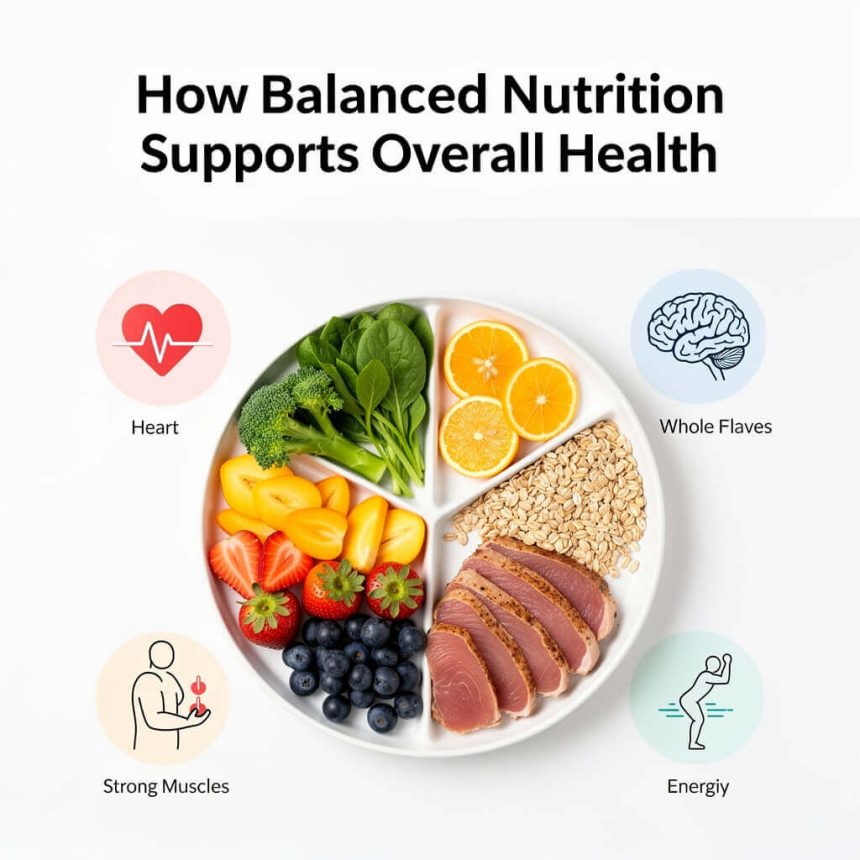
- Distribute your protein: Try to consume 20 to 30 grams of protein at each meal to maintain your muscle mass.
- Eat the rainbow: Incorporate a variety of colorful fruits and vegetables to ensure you are getting a wide spectrum of phytonutrients.
- Listen to your body: Use biometric data as a guide, but always pay attention to how certain foods make you feel physically and mentally.
By following these simple steps, you can build a foundation of health that will serve you for decades to come. Nutrition is the ultimate long term investment, and the returns are measured in energy, vitality, and freedom from disease.
Conclusion: Future Proofing Your Health
As we navigate the complexities of 2026, it is clear that balanced nutrition is the most powerful tool we have for supporting overall health. By embracing trends like flexitarianism and fibermaxxing, while remaining cautious of ultra processed foods, we can optimize our bodies and minds for the challenges of the future.
The integration of AI and personalized data is making it easier than ever to make informed choices, but the essence of good health remains rooted in the quality of the food on our plates. Whether your goal is to enhance your cognitive performance, build metabolic resilience, or simply feel better every day, the journey begins with a commitment to balanced, conscious eating.
Remember that health is not a destination but a continuous process of refinement. Stay curious, stay informed, and continue to prioritize the fuel that makes your best life possible. For daily updates on health and nutrition, stay tuned to the latest scientific breakthroughs and continue to consult reputable sources like the Mayo Clinic.