

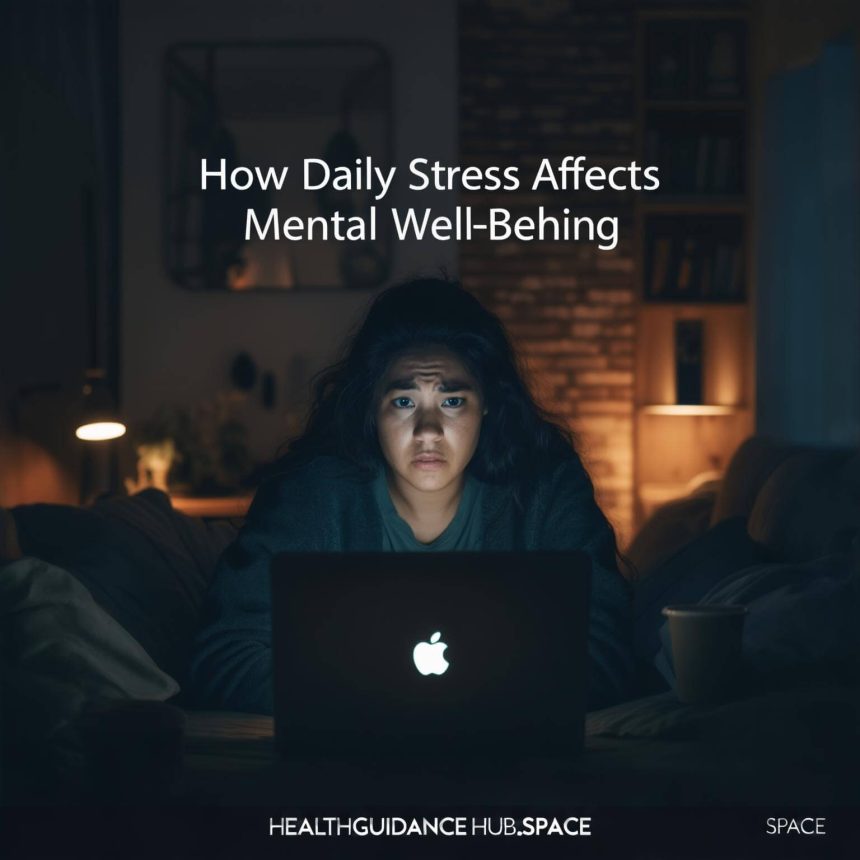
Stress is no longer just a buzzword used in corporate boardrooms or university libraries. It has evolved into a pervasive physiological and psychological condition that dictates the rhythm of modern life. As we navigate the complexities of 2025 and 2026, the data paints a startling picture. Recent reports indicate that nearly 43 percent of adults feel significantly more anxious today than they did just a year ago, with global figures suggesting that over 60 percent of individuals have experienced stress levels high enough to disrupt their daily functionality.
- The Physiology of Stress: What Happens Inside Your Body
- The Psychological Toll: Beyond Just “Feeling Down”
- Anxiety Disorders and Panic Attacks
- Depression and Emotional Burnout
- Sleep Disruption and “Sleepmaxxing”
- The Corporate and Economic Impact
- Employee Assistance Programs (EAP)
- The Rise of Stress Leave and Disability Insurance
- Remote Work and Digital Isolation
- The Treatment Landscape: Navigating Care and Costs
- Online Therapy vs. In-Person Counseling
- Insurance Coverage and Parity Laws
- Inpatient and Residential Treatment
- Emerging Treatments: AI and Neurotech
- Legal and Financial Protections
- Actionable Coping Strategies: The Wellness Approach
- Conclusion: The Path Forward
- References and Further Reading
This is not merely about feeling overwhelmed by a to-do list. This is about a systemic pressure that impacts cardiovascular health, cognitive function, and long-term emotional stability. For the individual seeking to understand these mechanics, or the organization looking to optimize its workforce, understanding the nuance of stress is critical. This guide explores the deep impact of daily stress on mental well-being, the emerging trends in treatment and insurance coverage, and the actionable steps necessary for recovery.
The Physiology of Stress: What Happens Inside Your Body
To understand mental well-being, we must first look at the biological machinery that drives our reactions. When you encounter a stressor, whether it is a looming deadline or a sudden financial expense, your body initiates a complex hormonal cascade.
The Cortisol and Adrenaline Response
The hypothalamus signals the adrenal glands to release a surge of hormones, primarily adrenaline and cortisol. Adrenaline increases your heart rate, elevates your blood pressure, and boosts energy supplies. Cortisol, the primary stress hormone, increases sugars (glucose) in the bloodstream, enhances your brain’s use of glucose, and increases the availability of substances that repair tissues.
While this system is brilliant for short-term survival, chronic activation is disastrous. Elevated cortisol levels over prolonged periods interfere with learning and memory, lower immune function and bone density, and increase weight gain, blood pressure, cholesterol, and heart disease. For those investigating medical health insurance plans, understanding these physical symptoms is vital, as they often constitute the pre-existing conditions that drive up premiums and necessitate comprehensive healthcare coverage.
The Gut-Brain Axis Connection
One of the most trending topics in 2025 medical research is the “Gut-Brain Axis.” Emerging science suggests that your gut health is directly linked to your mental state. Chronic stress alters the composition of the gut microbiome, which can lead to inflammation. This inflammation is now understood to be a key driver in conditions like depression and anxiety.12
New treatments are focusing on this biological link. Nutritional psychiatry and the use of specific probiotics are becoming covered under certain advanced health insurance po3licies and wellness programs. The intake of microplastics and processed foods, exac4erbated by stress-eating, further damages this axis, creating a cycle of physical and mental decline.
The Psychological Toll: Beyond Just “Feeling Down”
The transition from physical stress to psychological distress is seamless. The mental toll of daily stress manifests in various clinical forms, many of which require professional intervention from licensed therapists or psychiatrists.
Anxiety Disorders and Panic Attacks
Chronic stress is the leading fuel for Generalized Anxiety Disorder (GAD). This condition is characterized by persistent, excessive, and intrusive worry. Unlike normal anxiety, GAD is debilitating. Individuals may require cognitive behavioral therapy (CBT) or medication management.
The rise in online therapy platforms has made access to treatment easier, yet the demand continues to outpace supply. For those suffering from panic attacks, immediate access to mental health urgent care or telehealth services is becoming a standard expectation in employee benefit packages.
Depression and Emotional Burnout
Burnout is now recognized by the World Health Organization as an occupational phenomenon. It is characterized by feelings of energy depletion or exhaustion, increased mental distance from one’s job, and reduced professional efficacy.
Untreated burnout can segway into clinical depression. The cost of treating major depressive disorders is significant, involving not just therapy sessions but potentially inpatient residential treatment if the condition escalates. This highlights the importance of early intervention programs and preventive mental health care.
Sleep Disruption and “Sleepmaxxing”
A major trend in 2025 is “Sleepmaxxing,” a movement focused on optimizing sleep architecture. Stress is the enemy of sleep. It keeps the body in a state of hyperarousal, making it impossible to enter deep, restorative sleep cycles.
Chronic sleep deprivation exacerbates mental health issues, leading to a fragility in emotional regulation. Sleep clinics and diagnostic sleep studies are seeing a surge in patients, and many health insurance providers are expanding coverage to include these essential services as part of their mental health criteria.
The Corporate and Economic Impact
The intersection of business and mental health is where significant financial currents are moving. The corporate wellness market is projected to exceed 68 billion dollars in 2025. Companies are realizing that mental health is a brand priority and a bottom-line necessity.
Employee Assistance Programs (EAP)
Modern Employee Assistance Programs are evolving. They are no longer just a hotline for crisis. They now include subscription access to meditation apps, financial counseling, and legal services.
High-stress industries are investing heavily in corporate wellness solutions to mitigate the risk of disability claims related to mental health. The cost of recruiting and training new staff far outweighs the cost of retaining current staff through robust mental health benefits.
The Rise of Stress Leave and Disability Insurance
There is a growing legal and insurance sector focused on stress leave. Employees are increasingly aware of their rights regarding short-term disability for mental health reasons.
Disability insurance claims for depression and burnout are on the rise. This has led to a niche market of disability lawyers and insurance adjusters who specialize in mental health cases. Navigating the paperwork for FMLA (Family and Medical Leave Act) or private disability policies requires documentation from accredited mental health professionals, driving further traffic to clinics and private practices.
Remote Work and Digital Isolation
While remote work offers flexibility, it has introduced a new stressor: digital isolation. The lack of physical “third spaces” (community locations distinct from home and work) has led to increased loneliness. Coworking spaces and corporate retreats are being marketed as mental health solutions, combating the isolation that fuels depression.
The Treatment Landscape: Navigating Care and Costs
Finding the right care is often as stressful as the condition itself. The landscape of mental health treatment is vast, ranging from free community resources to luxury rehabilitation centers.
Online Therapy vs. In-Person Counseling
The explosion of telehealth counseling has democratized access. Platforms offering video sessions with licensed clinical social workers (LCSW) or psychologists allow patients to receive care from home. This is particularly vital for those in “therapy deserts” where providers are scarce.
However, for severe cases, in-person psychotherapy remains the gold standard. The overhead for maintaining physical clinics means these sessions often command higher fees, impacting out-of-pocket costs and insurance deductibles.
Insurance Coverage and Parity Laws
Understanding health insurance coverage for mental health is complex. The Mental Health Parity and Addiction Equity Act requires that insurance coverage for mental health conditions be no more restrictive than coverage for medical and surgical conditions.
Despite this, patients often face “ghost networks”—lists of providers who are technically in-network but are not accepting new patients. This forces many to seek out-of-network care, submitting superbills for reimbursement. Patients are increasingly looking for insurance advocates to help them navigate denied claims.
Inpatient and Residential Treatment
For acute crises, inpatient psychiatric hospitals and residential treatment centers provide 24/7 care. These facilities range from state-funded hospitals to exclusive private rehabs that offer holistic therapies, equine therapy, and gourmet nutrition. The cost for private residential care can be substantial, often requiring specialized medical loans or high-tier PPO insurance plans.
Emerging Treatments: AI and Neurotech
2025 has seen the rise of AI-driven mental health tools. Chatbots that use cognitive behavioral frameworks offer 24/7 support for mild anxiety. Furthermore, neurofeedback therapy and Transcranial Magnetic Stimulation (TMS) are gaining traction as non-invasive treatments for treatment-resistant depression. These high-tech interventions are slowly entering the mainstream medical insurance lexicon.
Legal and Financial Protections
Stress does not just damage health; it damages livelihoods. This reality has birthed a legal ecosystem designed to protect those suffering from severe mental health impairments.
Workers’ Compensation for Stress
In some jurisdictions, severe work-related stress that leads to a psychological injury can be grounds for workers’ compensation. Proving these claims requires detailed medical evidence and often the representation of a workers’ compensation attorney. This is a high-stakes field where medical and legal definitions of “stress” collide.
Financial Stress and Debt Management
Financial instability is a primary driver of stress. Debt relief programs, bankruptcy services, and credit counseling are intrinsically linked to mental well-being. By addressing the root cause—financial chaos—individuals can alleviate the chronic stress that plagues them. Financial advisors are increasingly trained in “financial therapy” to help clients manage the emotional weight of money.
Actionable Coping Strategies: The Wellness Approach
Beyond professional medical treatment, lifestyle changes are essential for managing daily stress. These strategies are often the focus of wellness coaching and lifestyle blogs.
Mindfulness and Meditation
Mindfulness is the practice of anchoring oneself in the present moment. It reduces the loop of worry. Meditation retreats and mindfulness certifications are booming industries. The daily practice of mindfulness has been shown to lower cortisol levels and improve heart rate variability (HRV).
Resistance Training for Brain Health
A surprising trend in 2025 is the link between lifting weights and mental health. Resistance training releases Brain-Derived Neurotrophic Factor (BDNF), a protein that supports neuron growth. Personal trainers and fitness apps are pivoting to market their services not just for aesthetics, but for anxiety relief and cognitive longevity.
Digital Detox and Boundary Setting
The “always-on” culture is a major stressor. Establishing strict boundaries with technology is crucial. This might involve using apps that block social media during work hours or attending digital detox camps. Learning to say “no” and protecting one’s time is a skill often taught in assertiveness training workshops.
Conclusion: The Path Forward
The impact of daily stress on mental well-being is total. It affects our biology, our psychology, our bank accounts, and our careers. Ignoring it is no longer an option.
Whether you are seeking professional therapy, looking for better health insurance options, or simply trying to understand why you feel this way, knowledge is the first step. The resources exist. From crisis hotlines to executive wellness coaching, the infrastructure to support mental health is growing.
Prioritizing your mental health is the single most profitable investment you can make. It preserves your ability to earn, to love, and to live. If you are feeling the weight of the world, reach out to a qualified mental health provider today. Your well-being is not a luxury. It is a necessity.
References and Further Reading
For those interested in the data and trends discussed in this article, the following sources provide current and authoritative information:
- Mental Health America (MHA) – The State of Mental Health in America 2025: This report provides the latest statistics on prevalence, access to care, and insurance disparities. Visit MHA
- American Psychiatric Association (APA) – Annual Mental Health Poll 2024/2025: Offers detailed insights into the rising anxiety levels among U.S. adults and the primary drivers of stress. Visit Psychiatry.org
- World Health Organization (WHO) – Mental Health and Well-being Reports: Global data on the economic cost of mental health conditions and international treatment standards. Visit WHO
- Global Wellness Institute – 2025 Wellness Trends: Analysis of the corporate wellness market, sleep trends, and the future of workplace well-being. Visit Global Wellness Institute
- Fortune Business Insights – Corporate Wellness Market Size & Share: Financial data on the growth of the wellness industry and key market players. Visit Fortune Business Insights