


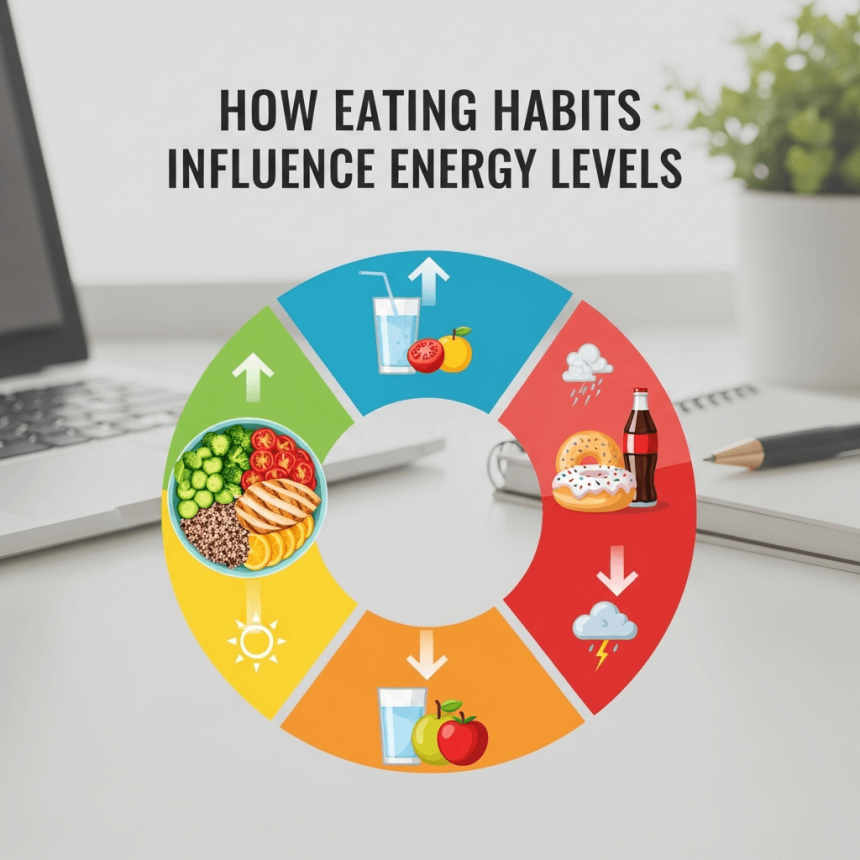
In the fast paced landscape of 2026, where artificial intelligence manages our schedules and wearable sensors track our every heartbeat, one fundamental truth remains unchanged: the fuel we provide our bodies is the ultimate determinant of our cognitive and physical output. We have moved beyond the simplistic “calories in versus calories out” model that dominated the early 2000s. Today, the conversation has shifted toward metabolic flexibility, circadian alignment, and personalized nutrient density. If you find yourself hitting a wall at 3 PM or waking up feeling unrefreshed despite eight hours of sleep, the culprit is likely not your workload, but your internal biochemistry.
- The Foundations of Metabolic Resilience
- The Glucose Rollercoaster and Energy Stability
- Bioharmony: The Role of Chrono-nutrition
- Muscle as the New Metabolic Currency
- The Gut-Brain-Energy Axis
- Micronutrients and the Mitochondrial Engine
- Hydration and Electrolyte Precision
- Implementing a Peak Energy Eating Schedule
- Conclusion: The Path to Infinite Energy
Understanding how eating habits influence energy levels requires a deep dive into the intersection of nutritional science and chronobiology. In this comprehensive guide, we will explore the mechanisms of energy production, the impact of blood sugar volatility, and the emerging 2026 trends that are helping high performers maintain peak state throughout the day.
The Foundations of Metabolic Resilience
Energy is not a static resource that we simply possess; it is a dynamic currency generated at the cellular level. Every bite of food you take initiates a complex cascade of hormonal and chemical reactions. To master your energy, you must first understand the concept of metabolic resilience. This is the ability of your body to efficiently switch between burning different fuel sources, such as glucose and fatty acids, depending on availability and demand.
When we talk about energy, we are essentially talking about Adenosine Triphosphate, or $ATP$. This molecule is the primary energy carrier in all living organisms. The process of creating $ATP$ occurs within the mitochondria, often called the powerhouses of the cell. The efficiency of this process is heavily influenced by the nutrients we consume. For instance, the presence of Coenzyme Q10, Magnesium, and B-vitamins is essential for the electron transport chain to function optimally.
$$C_{6}H_{12}O_{6} + 6O_{2} \rightarrow 6CO_{2} + 6H_{2}O + Energy (ATP)$$
The formula above represents cellular respiration, the foundation of your daily vitality. However, when our eating habits are disorganized, this process becomes strained. High consumption of ultra-processed foods leads to oxidative stress, which damages mitochondria and results in what many describe as “brain fog” or chronic fatigue.
The Glucose Rollercoaster and Energy Stability
One of the most significant discoveries in recent years is the profound impact of glycemic variability on daily performance. In 2026, the use of continuous glucose monitors (CGMs) has become mainstream for non-diabetics who want to optimize their productivity. Data shows that it is not just high blood sugar that causes problems, but the rapid fluctuations.
When you consume a meal high in refined carbohydrates or sugars without adequate fiber or protein, your blood glucose levels spike rapidly. In response, your pancreas secretes insulin to move that sugar into your cells. If the spike is too sharp, the subsequent “crash” can drop your blood sugar below your baseline, leading to hypoglycemia. This state triggers the release of stress hormones like cortisol and adrenaline, which can make you feel jittery, irritable, and ultimately, exhausted.
Strategies for Glucose Blunting
To maintain steady energy, you must learn to “blunt” the glucose response of your meals. This does not mean eliminating carbohydrates entirely, as they are a vital fuel source for the brain. Instead, focus on the order of consumption and the pairing of nutrients.
- Fiber First: Starting a meal with a salad or non-starchy vegetables coats the small intestine with fiber, slowing down the absorption of sugars from the rest of the meal.
- Protein and Fat Pairing: Never eat “naked” carbs. If you have a piece of fruit, pair it with almond butter or a handful of walnuts. The fats and proteins slow gastric emptying, leading to a much smoother energy curve.
- The Power of Vinegar: Recent 2025 and 2026 studies have reaffirmed that consuming a tablespoon of apple cider vinegar diluted in water before a high-carb meal can significantly reduce the resulting glucose spike.
Bioharmony: The Role of Chrono-nutrition
Perhaps the most exciting frontier in 2026 nutrition is chrono-nutrition, the study of how the timing of our meals interacts with our internal biological clocks. Every organ in your body has a “peripheral clock” that is synchronized by the central master clock in the brain, known as the suprachiasmatic nucleus.
Eating out of sync with these rhythms is a major driver of fatigue. For example, your body is naturally more insulin sensitive in the morning and early afternoon. As the sun sets and your body prepares for sleep, insulin sensitivity decreases. Eating a large, heavy meal late at night forces your digestive system to work when it should be repairing, and the elevated blood sugar can interfere with the production of melatonin, the sleep hormone.
The 2026 Approach to Eating Windows
The “ChronoFast” study, published in early 2026, revealed that while the total number of calories matters for weight management, the timing of those calories is what dictates metabolic health and energy. The most effective protocol for sustained energy appears to be a consistent 10 or 12 hour eating window that ends at least three hours before bedtime. This allows the body to enter a state of autophagy, where it cleans out damaged cellular components, including old mitochondria, ensuring that you wake up with a fresh “battery” the next morning.
Muscle as the New Metabolic Currency
For decades, muscle was viewed primarily through the lens of aesthetics or athletic performance. In 2026, however, muscle is recognized as a vital endocrine organ and the primary site for glucose disposal. Sarcopenia, or the age-related loss of muscle mass, is now seen as a leading cause of metabolic dysfunction and chronic low energy.
Muscle tissue is incredibly mitochondria-dense. The more muscle mass you have, the higher your basal metabolic rate and the better your body can handle the energy influx from food. To support this, daily protein optimization has become a cornerstone of modern dietary habits. Top nutritionists now recommend a more even distribution of protein throughout the day, rather than “back-loading” it at dinner. Aiming for 25 to 30 grams of high-quality protein at breakfast is one of the most effective ways to stabilize energy and prevent overeating later in the day.
The Gut-Brain-Energy Axis
Your gut is often referred to as your “second brain,” and for good reason. The gut microbiome, a vast ecosystem of trillions of bacteria, produces over 90 percent of the body’s serotonin and a significant portion of its dopamine. These neurotransmitters are essential for mood, motivation, and mental energy.
When your eating habits include a high diversity of plant fibers, you feed the beneficial bacteria that produce short-chain fatty acids like butyrate. Butyrate is not only an energy source for the cells lining your colon, but it also has anti-inflammatory effects that protect the brain. Conversely, a diet high in emulsifiers and artificial sweeteners can lead to “leaky gut,” where endotoxins enter the bloodstream and trigger systemic inflammation. This inflammation is a primary cause of the “heavy” feeling of fatigue that many people experience.
The “Fibermaxxing” Trend
In 2026, “fibermaxxing” has replaced “keto” as the dominant nutritional trend. The goal is to consume a wide variety of plant species each week (aiming for 30 or more). This diversity ensures a robust microbiome that can effectively synthesize the vitamins and neurotransmitters required for peak cognitive function.
Micronutrients and the Mitochondrial Engine
While macronutrients (carbs, fats, proteins) provide the fuel, micronutrients are the sparks that ignite the fire. Several key vitamins and minerals are critical for the production of energy at the cellular level:
- Magnesium: Involved in over 300 biochemical reactions, magnesium is required for the binding of $ATP$ to be biologically active. Without it, the energy your body makes cannot be used.
- Iron: Essential for the transport of oxygen to your cells. Oxygen is the final electron acceptor in the mitochondrial electron transport chain.
- B-Vitamins: Specifically B12, B6, and Folate, which act as cofactors in the Krebs cycle.
- Omega-3 Fatty Acids: These fats make up the membranes of your cells and mitochondria. Flexible, healthy membranes allow for better nutrient transport and signaling.
In 2026, personalized supplement protocols based on blood biomarkers are the gold standard. We no longer guess; we test. Checking levels of high-sensitivity C-reactive protein (hs-CRP) and Interleukin-6 (IL-6) helps individuals identify if their fatigue is rooted in hidden inflammation that requires specific nutritional interventions.
Hydration and Electrolyte Precision
It is a common mistake to reach for food when you are actually dehydrated. Even a 2 percent drop in hydration can lead to a significant decline in cognitive performance and physical stamina. However, hydration is not just about water; it is about the balance of electrolytes: Sodium, Potassium, and Magnesium.
These minerals carry an electrical charge and are responsible for the “firing” of your nerves and the contraction of your muscles. In 2026, we see a shift away from sugary sports drinks and toward high-dose electrolyte powders that support the nervous system without the insulin-spiking sugars. Proper hydration ensures that your blood volume remains optimal, making it easier for your heart to pump oxygen and nutrients to your brain and muscles.
Implementing a Peak Energy Eating Schedule
Based on the latest 2026 research, here is what an optimal day of eating for sustained energy looks like:
- Morning (7 AM to 9 AM): Start with a large glass of water with electrolytes. Delay your first meal for 60 to 90 minutes after waking to allow your natural cortisol levels to peak.
- Breakfast: High protein and healthy fats. Think eggs with avocado, or a protein smoothie with chia seeds and berries. This sets a stable glucose floor for the day.
- Mid-Day (12 PM to 1 PM): A balanced “grain bowl” featuring a complex carb like quinoa, a lean protein like salmon or tempeh, and a massive amount of colorful vegetables.
- Afternoon (3 PM to 4 PM): If you need a snack, opt for something with fiber and fat, like raw carrots and hummus or a handful of walnuts. Avoid the lure of the office pastry or sugary latte.
- Evening (6 PM to 7 PM): A lighter meal focused on easy-to-digest proteins and cooked vegetables. This is the time to include some “slow-burn” carbs like sweet potatoes, which can help support the transition into sleep.
- Night: Stop all calorie intake at least three hours before bed. Use herbal teas like chamomile or lemon balm to signal to your brain that the day is done.
Conclusion: The Path to Infinite Energy
The way we eat is the most powerful lever we have for controlling our experience of life. By aligning our nutrition with our biological rhythms, stabilizing our blood sugar, and supporting our mitochondrial health, we can unlock levels of energy that were once thought impossible. In 2026, health is no longer about the absence of disease; it is about the optimization of our human potential.
The journey to better energy starts with your next meal. Choose whole foods, prioritize protein, and listen to the signals your body is sending you. When you give your cells exactly what they need, they will repay you with the clarity, focus, and vitality required to thrive in this modern world.