


The year 2026 marks a pivotal turning point in our understanding of human health. We have officially moved away from a reactive medical model toward a proactive, preventive approach. Scientific research now confirms that a staggering percentage of chronic conditions are not just manageable but entirely preventable through intentional lifestyle modifications. As we navigate a world filled with ultra-processed options and sedentary convenience, understanding the biological mechanisms of disease risk has never been more critical for the modern individual.
- The Global Paradigm Shift Toward Preventive Medicine
- The Chronic Inflammation Crisis and Modern Lifestyle
- Nutritional Science: The Ultra-Processed Food Reckoning
- Muscle as a New Metabolic Health Marker
- Sleep Hygiene: The Unsung Pillar of Recovery
- The Psychology of Prevention: Stress and the Immune System
- Environmental Factors and the Quest for Longevity
- Technology and the Future of Personalized Health
- Designing Your Personal Blueprint for Health
- Daily Health Insights and Live Updates
- Key Habits for Reducing Disease Risk
- 1. Prioritize Nutrient Density
- 2. Move with Purpose
- 3. Master Your Sleep
- 4. Manage Stress Proactively
- 5. Monitor Your Data
- Conclusion: The Path Forward
In this comprehensive exploration, we delve into the latest medical data, nutritional breakthroughs, and lifestyle interventions that are redefining what it means to live a healthy life. By the end of this guide, you will have a clear blueprint for mitigating risk factors and optimizing your physiological resilience.
The Global Paradigm Shift Toward Preventive Medicine
The landscape of global healthcare is undergoing a radical transformation. For decades, the focus remained on treating symptoms after they appeared. However, data from the World Health Organization and leading research institutions in 2025 and 2026 indicate that this model is no longer sustainable. With healthcare costs rising and chronic conditions appearing at younger ages, the emphasis has shifted to P4 medicine: Predictive, Preventive, Personalized, and Participatory.
This approach recognizes that your daily choices act as the primary drivers of your genetic expression. While you cannot change your DNA, you can certainly influence how your genes behave. This field, known as epigenetics, is the cornerstone of modern disease prevention. It teaches us that our environment and habits determine whether certain disease pathways are “turned on” or “switched off.”
Recent studies highlight that nearly 80 percent of heart disease, stroke, and type 2 diabetes cases could be eliminated if people adopted healthier behaviors. The urgency for this shift is clear as we see 85 percent of consumers now prioritizing diet as their primary tool for health management.
The Chronic Inflammation Crisis and Modern Lifestyle
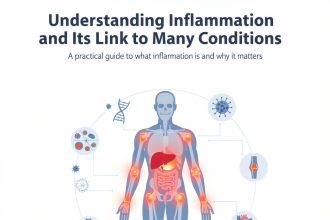
One of the most significant health conversations of 2026 revolves around systemic inflammation. Often called the “silent killer,” chronic low-grade inflammation is a foundational element in almost every major non-communicable disease. From cardiovascular disorders to autoimmune conditions and even certain types of cancer, inflammation is the common thread.
Research published in Nature Medicine suggests that chronic inflammation contributes to up to 50 percent of all deaths worldwide. This is not the acute inflammation you experience when you cut your finger; it is a persistent, systemic fire that damages healthy tissues over time. The primary triggers for this state include poor dietary choices, chronic stress, lack of sleep, and environmental pollutants.
Understanding your internal terrain is now a standard part of health optimization. Advanced blood panels in 2026 frequently measure biomarkers like high-sensitivity C-reactive protein (hs-CRP) and Interleukin-6 (IL-6). These indicators allow individuals to see the real-time impact of their lifestyle choices before clinical symptoms ever manifest.
Nutritional Science: The Ultra-Processed Food Reckoning
Diet remains the most powerful lever for influencing disease risk. In 2026, we are witnessing a global “reckoning” regarding ultra-processed foods (UPFs). These products, engineered for hyper-palatability and long shelf life, have been linked to a cascade of metabolic issues.
The Impact of Ultra-Processed Diets
Recent reviews in The Lancet and the American Journal of Clinical Nutrition demonstrate that excessive consumption of UPFs alters the gut microbiota and worsens metabolic regulation. These foods are often high in refined sugars, unhealthy fats, and artificial additives that trigger inflammatory responses in the digestive tract.
In response, many are adopting “reductionist” eating practices. This involves prioritizing whole, single-ingredient foods that provide high nutrient density. The goal is to move away from calorie counting and focus on “food quality” as a medical intervention.
The Rise of Metabolic Flexibility
Metabolic flexibility is the body’s ability to efficiently switch between burning carbohydrates and burning fats for fuel. A lifestyle high in refined carbohydrates and frequent snacking often leads to “metabolic rigidity,” where the body becomes dependent on glucose and loses its ability to tap into fat stores. This state is a precursor to insulin resistance and type 2 diabetes.
To combat this, nutritional strategies in 2026 emphasize protein-forward diets and fiber-rich plant consumption. Protein is essential for maintaining muscle mass, especially as more people utilize GLP-1 medications for weight management. Ensuring adequate protein intake prevents the loss of lean tissue, which is vital for metabolic health.
Muscle as a New Metabolic Health Marker
In the past, muscle mass was often viewed through the lens of aesthetics or athletic performance. Today, we recognize skeletal muscle as a vital endocrine organ. Sarcopenia, the age-related loss of muscle mass, is now considered a significant risk factor for metabolic disease.
Muscle tissue acts as a primary “glucose sink.” It is the most significant site for insulin-stimulated glucose uptake in the body. When you lose muscle mass, you reduce your body’s ability to manage blood sugar effectively, increasing the risk of type 2 diabetes and obesity.
The Role of Resistance Training
Regular physical activity, particularly resistance training, is now prescribed as “molecular medicine.” Engaging in strength-building exercises at least two to three times per week helps maintain metabolic resilience. It improves bone density, supports hormonal balance, and reduces the risk of falls in older populations.
Data from 2026 show that preserving muscle mass is foundational for increasing “healthspan,” which is the period of life spent in good health, rather than just “lifespan.” Movement is no longer optional; it is a biological requirement for the prevention of chronic disease.
Sleep Hygiene: The Unsung Pillar of Recovery
If diet and exercise are the pillars of health, sleep is the foundation upon which they stand. In 2026, sleep optimization has taken center stage in the wellness community. We now understand that sleep is not merely a period of inactivity but a highly active state of cellular repair and neurological “housekeeping.”
Cardiovascular and Metabolic Consequences of Poor Sleep
Getting less than seven hours of quality sleep per night puts immense strain on the cardiovascular system. Chronic sleep deprivation keeps the body in a state of sympathetic “fight or flight,” leading to elevated blood pressure and increased cortisol levels.
Furthermore, poor sleep disrupts the hormones that regulate hunger, such as ghrelin and leptin. This imbalance makes it significantly harder to maintain a healthy weight and increases the likelihood of overeating ultra-processed, high-sugar foods.
Practical Steps for Sleep Optimization
To reduce disease risk, experts recommend a strict sleep hygiene routine:
- Maintain a consistent sleep-wake schedule, even on weekends.
- Limit exposure to blue light from screens at least one hour before bed.
- Create a cool, dark, and quiet environment to support deep sleep stages.
- Utilize magnesium or other evidence-based supplements if recommended by a professional.
By prioritizing sleep, you are directly influencing your body’s ability to manage inflammation and repair the daily wear and tear on your arteries and organs.
The Psychology of Prevention: Stress and the Immune System
Mental health and physical health are inextricably linked. Chronic stress is perhaps one of the most pervasive lifestyle factors influencing disease risk in our modern world. When the body is under persistent stress, it produces an excess of adrenaline and cortisol, which can suppress the immune system over time.
The Gut-Brain Axis and Neuroinflammation
New research in neuroscience highlights the “gut-brain axis,” a two-way communication system between the digestive tract and the brain. A lifestyle characterized by high stress and poor diet can lead to intestinal permeability, often called “leaky gut,” which allows inflammatory markers to enter the bloodstream and cross the blood-brain barrier. This process, known as neuroinflammation, is a significant contributor to cognitive decline and mood disorders.
Managing stress through mindfulness, nature exposure, and social connection is now recognized as a medical necessity. Loneliness, for instance, has been associated with a higher mortality rate than smoking, emphasizing the importance of community and emotional well-being in any disease-prevention strategy.
Environmental Factors and the Quest for Longevity
Our lifestyle choices extend beyond what we eat and how we move; they also involve our interaction with the environment. In 2026, there is an increasing focus on the impact of “environmental toxins” such as microplastics, air pollutants, and endocrine-disrupting chemicals found in household products.
Reducing Your Toxic Burden
While it is impossible to avoid all environmental risks, proactive choices can minimize their impact. This includes:
- Choosing minimally processed foods to avoid plastic packaging leaching.
- Using air filtration systems in urban environments to reduce particulate matter inhalation.
- Opting for natural cleaning and personal care products to limit exposure to synthetic chemicals.
Small changes in your daily environment can have cumulative benefits for your long-term health, particularly in reducing the risk of respiratory issues and certain cancers.
Technology and the Future of Personalized Health
We live in an era where data is more accessible than ever. Wearable technology and digital health platforms allow individuals to track their heart rate variability, sleep stages, and activity levels in real time. In 2026, these tools are no longer just “gadgets” but essential instruments for health management.
AI and Risk Prediction
Artificial intelligence is now being used to analyze personal health data and predict potential “decompensations” or health declines before they occur. For example, algorithms can detect early patterns of heart failure or diabetes risk by analyzing shifts in behavior and physiological markers.
This level of personalization ensures that health interventions are tailored to your unique biology and lifestyle. Instead of generic advice, you receive specific recommendations based on your body’s real-time needs.
Designing Your Personal Blueprint for Health
Influencing your disease risk is not about making one perfect choice; it is about the consistency of your daily habits. By focusing on the core pillars of metabolic health, inflammation management, and restorative practices, you can take control of your health destiny.
The evidence is clear: our lifestyle is the most potent medicine we have. Whether it is choosing a whole-food meal, engaging in a session of resistance training, or ensuring a full night of restful sleep, every action you take is a vote for your future well-being.
Daily Health Insights and Live Updates
As of January 2026, the following live data points are influencing the health landscape:
- New reports indicate that 76 percent of adults are now opting for advanced annual wellness checks that include genetic screening.
- The demand for “biological age” testing has increased by 40 percent as individuals seek to measure the effectiveness of their lifestyle changes.
- Personalized microbiome sequencing is becoming a standard tool for managing gut health and systemic inflammation.
By staying informed and adapting your habits based on this evolving data, you can stay ahead of the curve and ensure a lifetime of vitality.
Key Habits for Reducing Disease Risk
To summarize the most impactful actions you can take today, consider this checklist of lifestyle interventions:
1. Prioritize Nutrient Density
Shift your focus from caloric quantity to nutrient quality. Aim for a diet rich in diverse plant fibers, high-quality proteins, and healthy fats. Minimize ultra-processed foods that trigger inflammatory responses.
2. Move with Purpose
Incorporate a mix of aerobic activity for cardiovascular health and resistance training for metabolic resilience. Muscle is your insurance policy against metabolic decline.
3. Master Your Sleep
Treat sleep as a non-negotiable medical appointment. Aim for 7 to 9 hours of uninterrupted rest to allow for neurological and physiological recovery.
4. Manage Stress Proactively
Utilize mindfulness, social connection, and time in nature to regulate your nervous system. Chronic stress is a primary driver of immune dysfunction.
5. Monitor Your Data
Use wearable technology and regular blood work to understand your unique health markers. Use this data to refine your lifestyle choices in real time.
Conclusion: The Path Forward
The journey toward a disease-free life is a marathon, not a sprint. The choices you make this morning, this afternoon, and tonight are the bricks that build your long-term health. As we embrace the advancements of 2026, we must remember that the most sophisticated technology available is still the human body and its incredible capacity for healing and resilience when provided with the right environment.
Start small, stay consistent, and lead with curiosity about your own biology. Your future self will thank you for the investments you make today.