

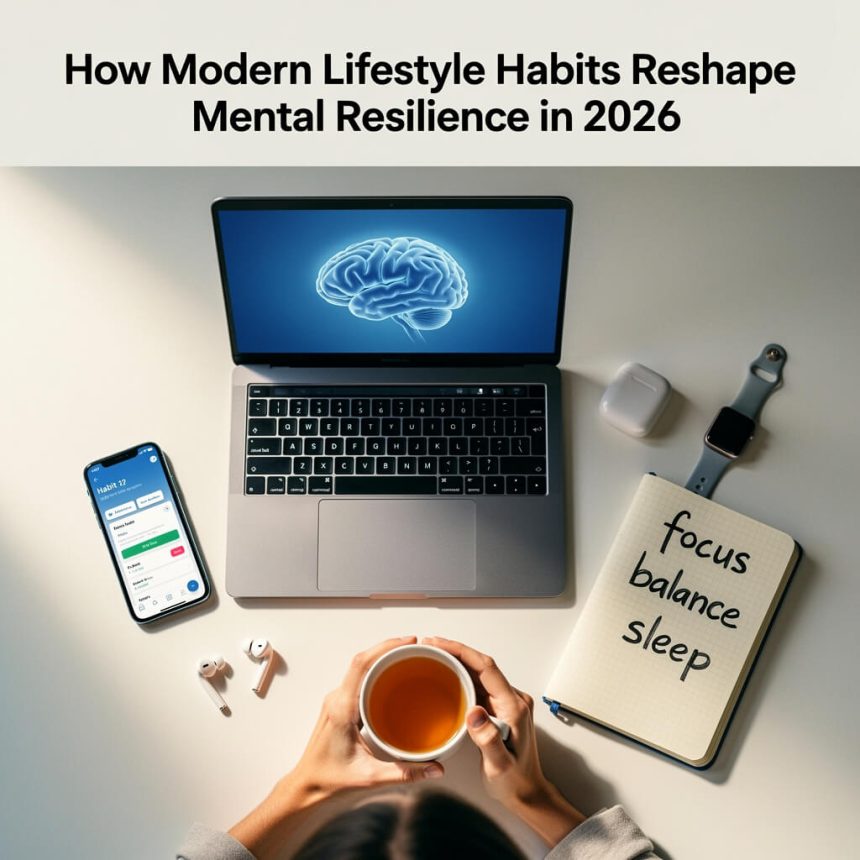
The landscape of wellness has shifted dramatically as we enter 2026. No longer do we view the mind as an isolated entity: instead, we recognize it as the central node of a complex, interconnected biological system. As a top writer in the health and wellness space, I have observed a profound transition from reactive treatment to proactive, lifestyle-based prevention. Today, the concept of “mental fitness” has become just as mainstream as physical fitness, with individuals leveraging cutting-edge science to optimize their cognitive and emotional well-being.
- The Evolution of Preventive Mental Healthcare
- The Gut-Brain Axis: Why Your Diet is Your Primary Mental Health Intervention
- Biological Rhythms: Sleep as a Neurological Foundation
- Physical Movement: A Natural Catalyst for Neuroplasticity
- The Digital Frontier: Managing Techno-Stress in an AI-Driven World
- Social Connectivity and the Neurobiology of Belonging
- Biohacking and Tech-Enabled Wellness
- Practical Daily Roadmap for Mental Peak Performance
- Sources and Live Information for 2026
- Conclusion: The Path Forward
In this comprehensive guide, we will explore the pivotal lifestyle habits that dictate mental health outcomes in the modern era. From the intricate pathways of the gut-brain axis to the revolutionary impact of circadian rhythm optimization, this article serves as a masterclass in psychological resilience.
The Evolution of Preventive Mental Healthcare
For decades, the standard approach to mental wellness was centered on intervention after a crisis had already occurred. However, current data from the early days of 2026 suggests a massive cultural pivot toward preventive care. According to recent reports by major health organizations, including Bupa and Spring Health, preventive mental health care is now becoming a routine part of overall wellness, much like an annual physical exam.
This shift is driven by the realization that our daily choices are the primary architects of our neurological health. We are seeing a rise in “continuous care” models where individuals use wearable technology and AI-driven platforms to monitor their stress levels and emotional health in real-time. This allows for small adjustments before a minor stressor escalates into a full-blown burnout. The goal is no longer just to survive: the goal is to thrive.
The Gut-Brain Axis: Why Your Diet is Your Primary Mental Health Intervention
One of the most significant breakthroughs in recent years is the deepening understanding of the microbiota-gut-brain axis. We now know that the gut is essentially a “second brain,” housing millions of neurons and producing approximately 90 percent of the body’s serotonin.
The Rise of Nutritional Psychiatry
Nutritional psychiatry has emerged as a cornerstone of modern therapy. Research published in journals like Frontiers in Nutrition highlights that what we put on our plates directly influences our mood and cognitive function. Diets high in ultra-processed foods, characterized by refined sugars and unhealthy fats, have been shown to increase the risk of anxiety by nearly 50 percent.
Conversely, the Mediterranean and MIND diets continue to lead the way as the gold standards for mental health. These eating patterns focus on whole foods, such as leafy greens, fatty fish, legumes, and berries. These foods are rich in omega-3 fatty acids and polyphenols, which are essential for reducing neuroinflammation: a key driver of depressive symptoms.
Precision Nutrition and Emotional Stability
In 2026, we are moving beyond general dietary advice toward precision nutrition. By using gut health trackers and DNA-driven wellness plans, individuals can now tailor their diets to their unique biological makeup. This level of personalization helps optimize energy levels and stabilize mood fluctuations, providing a sturdy foundation for mental resilience.
Biological Rhythms: Sleep as a Neurological Foundation
Sleep is no longer viewed as a passive state of rest; it is now recognized as an active, vital process for cognitive restoration and emotional regulation. Scientific consensus in 2026 places sleep at the very top of the hierarchy of mental health habits.
Circadian Rhythm Optimization and Mood Regulation
The Harvard Medical School research community has highlighted the critical importance of the circadian rhythm: the internal 24-hour clock that governs our biological processes. Disruptions to this rhythm, often caused by late-night screen use or irregular schedules, are linked to higher rates of bipolar disorder and severe anxiety.
To combat this, the “Digital Sunset” has become a popular habit among high-performers. This involves dimming lights and avoiding blue-light-emitting devices at least two hours before bed. By aligning our habits with the natural light-dark cycle, we can optimize the production of melatonin and ensure deep, restorative REM sleep, which is essential for processing emotional trauma and daily stress.
Physical Movement: A Natural Catalyst for Neuroplasticity
The relationship between physical activity and mental health has been well-documented, but 2026 research has taken this a step further by focusing on neuroplasticity: the brain’s ability to reorganize itself and form new neural connections.
Aerobic Exercise and Hippocampal Health
Recent studies from the American College of Sports Medicine (ACSM) indicate that regular aerobic exercise can increase hippocampal volume by up to 2 percent in adults. The hippocampus is the region of the brain responsible for memory and emotional regulation. By engaging in activities like running, swimming, or cycling, we stimulate the production of brain-derived neurotrophic factor (BDNF), often referred to as “Miracle-Gro” for the brain.
Furthermore, resistance training and mind-body exercises like yoga and tai-chi have been shown to improve gray matter density and enhance emotional regulation scores by significant margins. In 2026, exercise is increasingly being prescribed by clinicians as a primary treatment for mild to moderate depression, often with success rates that rival traditional pharmacological interventions.
The Digital Frontier: Managing Techno-Stress in an AI-Driven World
As we navigate the complexities of 2026, the influence of technology on our mental health cannot be overstated. While AI and digital tools offer incredible benefits, they also contribute to “digital fatigue” and chronic stress.
Digital Sunset Protocols for Cognitive Recovery
The “Slow Tech” movement has gained momentum as people seek to reclaim their focus. This involves intentional, mindful technology use rather than habitual, mindless scrolling. Digital wellness tools that automatically lock distracting apps and provide calming notifications are now standard features in our daily lives.
One essential habit for 2026 is the implementation of “tech-free zones” and “unplugged retreats.” By giving the brain a break from the constant influx of information, we allow the prefrontal cortex to recover, which improves our ability to focus, make decisions, and manage our emotions.
Social Connectivity and the Neurobiology of Belonging
Despite the rise of digital connectivity, loneliness remains a significant challenge in the mid-2020s. However, we are seeing a resurgence of community-based wellness. Human beings are neurobiologically wired for connection, and social isolation has been linked to increased levels of cortisol and systemic inflammation.
In 2026, the trend of “social wellness” emphasizes shared experiences. Whether it is through group fitness classes, community gardens, or collaborative work environments, fostering deep, meaningful connections is a potent medicine for the mind. When we feel seen and included, our nervous systems settle, and our resilience to stress increases exponentially.
Biohacking and Tech-Enabled Wellness
The year 2026 marks the era where biohacking has gone mainstream. Individuals are no longer waiting for symptoms to appear; they are using technology to optimize their baseline.
- Wearable Biosensors: These devices now capture heart rhythm, blood pressure, and even blood glucose levels in real-time, providing immediate feedback on how lifestyle choices affect stress levels.
- Neurofeedback Lounges: Urban centers now feature brain gyms where people can train their brainwaves to achieve states of deep focus or relaxation.
- AI Mental Health Companions: Clinically validated AI tools are providing continuous support between therapy sessions, offering digital nudges and habit-tracking to keep people on the path to wellness.
Practical Daily Roadmap for Mental Peak Performance
To integrate these findings into your daily life, consider the following evidence-based routine for 2026:
- Morning Sunlight: Seek natural light within 30 minutes of waking to anchor your circadian rhythm.
- Anti-Inflammatory Breakfast: Prioritize protein and healthy fats to stabilize blood sugar and fuel your brain.
- Mindful Movement: Incorporate at least 20 minutes of physical activity to boost BDNF levels.
- Deep Work Blocks: Schedule periods of focused work without digital distractions to preserve cognitive energy.
- Social Micro-Moments: Make time for at least one meaningful interaction with a colleague, friend, or family member.
- The Digital Sunset: Disconnect from screens two hours before sleep to allow for neurological repair.
Sources and Live Information for 2026
To stay informed about the latest developments in lifestyle-based mental healthcare, refer to these authoritative resources:
- ACSM Worldwide Fitness Trends 2026: https://acsm.org/top-fitness-trends-2026/
- Harvard Medical School: Circadian Rhythms and the Brain: https://hms.harvard.edu/news-events/publications-archive/brain/circadian-rhythms-brain
- Frontiers in Aging Neuroscience: The Gut-Brain Axis: https://www.frontiersin.org/journals/aging-neuroscience/articles/10.3389/fnagi.2025.1667448/full
- Spring Health: 2026 Mental Health Trends: https://www.springhealth.com/blog/2026-mental-health-trends-for-your-workplace
- Bupa Group: Health Trends Shaping 2026: https://www.bupa.com/news-and-press/news-and-stories/2025/what-health-trends-will-shape-2026
Conclusion: The Path Forward
The relationship between our lifestyle habits and our mental health is undeniable. As we have seen throughout this exploration of the 2026 wellness landscape, the power to transform our emotional and cognitive states lies within our daily choices. By prioritizing nutrition, sleep, movement, and mindful technology use, we can build a foundation of resilience that allows us to navigate the challenges of the modern world with grace and strength.
The future of mental health is not just found in a doctor’s office: it is found in our kitchens, our gyms, our bedrooms, and our communities. As we continue to integrate these habits into our lives, we move closer to a world where mental well-being is an accessible reality for everyone.