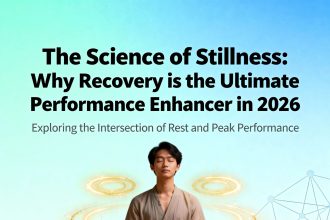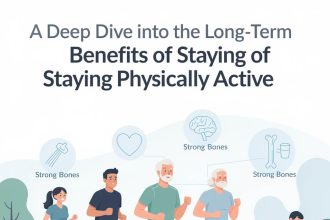



The dawn of 2026 has ushered in a profound transformation in how we perceive the human body and its influence on the human mind. No longer are physical fitness and mental well-being treated as separate entities. Instead, a new era of integrative health has emerged, where the weight room and the therapist’s office are seen as two sides of the same coin. This article explores the cutting edge research and practical applications of the mind-body connection, providing a roadmap for those seeking to optimize their cognitive performance and emotional resilience.
- The Molecular Bridge: BDNF and the Biology of Hope
- The Rise of Metabolic Psychiatry: How Fitness Regulates the Mind
- Wearable Technology and the Quantified Mind
- Strength Training as Cognitive Insurance
- The Joy of Missing Out: Rest as a Performance Strategy
- AI-Guided Mindfulness and the Future of Flow
- Corporate Wellness: Physical Vitality in the Workplace
- Longevity Medicine: Preserving the Mind-Body Link
The Molecular Bridge: BDNF and the Biology of Hope
At the heart of the connection between physical activity and mental health lies a potent protein known as Brain-Derived Neurotrophic Factor, or BDNF. Scientists often refer to this substance as miracle-grow for the brain because of its ability to support the survival of existing neurons and encourage the growth of new ones.
Recent studies published in early 2026 have confirmed that high-intensity aerobic exercise can trigger a significant surge in BDNF levels, particularly in the hippocampus, which is the region responsible for memory and emotional regulation. By engaging in consistent physical training, individuals are essentially fertilizing their neural pathways, making them more adaptable to stress and less prone to the symptoms of depression. This biological process, known as neuroplasticity, is the foundation of mental agility. When we move our bodies, we are not just burning calories; we are restructuring our brains for better performance.
The Rise of Metabolic Psychiatry: How Fitness Regulates the Mind
One of the most exciting developments in 2026 is the mainstream adoption of metabolic psychiatry. This field examines how metabolic health, specifically our body’s ability to process energy and manage insulin, directly impacts our psychological state. Research from the Global Wellness Institute recently highlighted that insulin resistance in the body is often a precursor to neuroinflammation in the brain.
Physical fitness serves as the primary intervention for maintaining metabolic flexibility. Regular resistance training and steady-state cardio improve insulin sensitivity, which in turn reduces systemic inflammation. By stabilizing blood sugar levels through exercise, individuals can mitigate the peaks and valleys of mood swings and cognitive fog. The medical community now views muscle mass not just as a sign of strength, but as a critical metabolic organ that protects the brain from the corrosive effects of chronic stress and poor nutrition.
Wearable Technology and the Quantified Mind
According to the American College of Sports Medicine, wearable technology remains the number one fitness trend for 2026. Today’s smartwatches and bio-rings have evolved far beyond simple step counting. They now provide real-time data on Heart Rate Variability, also known as HRV, which is a key indicator of the autonomic nervous system’s health.
For the modern high achiever, these devices offer a window into the mental state. A high HRV suggests a body that is well-recovered and a mind that is resilient to stress. Conversely, a drop in HRV often predicts periods of anxiety or burnout before they manifest consciously. By integrating this biometric data with personalized AI coaching, individuals can adjust their training intensity to match their mental capacity. If your wearable indicates that your nervous system is overtaxed, a gentle yoga session may be more beneficial for your mental health than a high-intensity workout. This data-driven approach ensures that physical effort always supports mental clarity rather than detracting from it.
Strength Training as Cognitive Insurance
While aerobic exercise has long been praised for its heart-health benefits, 2026 has seen a surge in research focused on the cognitive benefits of strength training. Resistance exercise stimulates the release of myokines, which are small proteins produced by muscle fibers during contraction. These myokines have been shown to cross the blood-brain barrier and exert neuroprotective effects.
Clinical trials conducted in late 2025 demonstrated that older adults who engaged in regular strength training twice a week showed a 12 percent improvement in executive function and memory compared to those who did not. This makes weightlifting a form of cognitive insurance. Building and maintaining skeletal muscle helps prevent the age-related cognitive decline that leads to conditions like dementia. For younger professionals, the benefits are equally compelling, as strength training has been linked to increased focus and faster information processing during high-pressure tasks.
The Joy of Missing Out: Rest as a Performance Strategy
A significant cultural shift in the 2026 wellness landscape is the concept of JOMO, or the Joy of Missing Out. In previous years, the fitness industry was dominated by a “no days off” mentality that often led to physical injury and mental exhaustion. Today, the focus has shifted toward the necessity of rest and recovery as essential components of mental well-being.
Elite athletes and corporate executives alike are now prioritizing sleep hygiene and active recovery. Techniques such as cold plunging, infrared sauna therapy, and lymphatic drainage are no longer seen as luxuries but as vital tools for flushing out metabolic waste and resetting the nervous system. Proper recovery allows the mind to consolidate the benefits of physical training. Without adequate rest, the stress of exercise can become additive, leading to a state of overtraining syndrome that mimics the symptoms of clinical depression. In 2026, knowing when to rest is considered a higher level of fitness than knowing how to push.
AI-Guided Mindfulness and the Future of Flow
Artificial intelligence has become a standard feature in mental health and fitness integration. Advanced apps now use voice analysis and facial recognition to assess a user’s emotional state before suggesting a workout. These AI platforms can design “flow state” protocols that combine physical movement with breathwork and meditation.
The goal of these sessions is to induce a state of deep focus where the self disappears and performance becomes effortless. This synthesis of mind and body is the ultimate expression of fitness. By using AI to tailor the difficulty of a workout to the user’s current skill and mental state, these platforms help individuals reach the “challenge-skill balance” necessary for flow. This not only improves physical results but also provides a profound sense of psychological satisfaction and purpose.
Corporate Wellness: Physical Vitality in the Workplace
The business world has finally recognized that a physically fit workforce is a more productive and mentally stable workforce. In 2026, many leading corporations have replaced traditional health insurance perks with comprehensive wellness stipends. These funds can be used for everything from boutique fitness memberships to personalized nutrition coaching and neurofeedback sessions.
The shift is driven by hard data. Companies that implement “exercise snacks”—short five-minute bursts of movement every hour—report lower levels of employee burnout and higher rates of creative problem-solving. Physical activity acts as a natural reset button for the brain, clearing the mental clutter that accumulates during long hours of sedentary work. By encouraging movement, employers are investing in the long-term cognitive capital of their organizations.
Longevity Medicine: Preserving the Mind-Body Link
As we look toward the 2030s, the focus of the health industry is firmly on longevity. The goal is no longer just to live longer, but to extend our “healthspan,” which is the period of life spent in good health. Physical fitness is the most powerful tool we have for achieving this.
Biohacking enthusiasts and medical professionals are increasingly using advanced biomarkers to track the aging process. Metrics such as VO2 max, which is a measure of cardiovascular fitness, are now considered the most accurate predictors of all-cause mortality and cognitive health. By maintaining a high level of physical fitness throughout adulthood, individuals can ensure that their minds remain sharp and their bodies remain capable well into their later years. The neuro-performance revolution is not a temporary trend; it is a fundamental shift in how we manage the human experience.