

The landscape of human health is undergoing a radical transformation. As we navigate the early days of 2026, the conversation has shifted from generic diet plans to precision wellness. We are no longer asking what is healthy for everyone: we are asking what is healthy for you. At the heart of this revolution lies a profound understanding of macronutrients and micronutrients. These are the fundamental units of life that dictate our energy, cognitive function, and long-term metabolic resilience.
- The Foundation of Macronutrients: Fueling the Human Machine
- 1. Protein: The Architect of Longevity
- 2. Carbohydrates: The Strategic Energy Source
- 3. Lipids: Essential Fats for Cellular Integrity
- The Silent Power of Micronutrients: The Catalysts of Biology
- 2026 Nutrition Trends: Real-Time Information for the Modern World
- How to Balance Your Plate: A 2026 Perspective
- Sources and Further Reading
- Conclusion: Your Journey to Optimal Health
In this comprehensive guide, we will explore the essential science of nutrition through the lens of modern technology and the latest 2026 clinical research. Whether you are looking to optimize your performance, manage a health condition, or extend your healthspan, mastering these building blocks is your first step toward a transformed life.
The Foundation of Macronutrients: Fueling the Human Machine
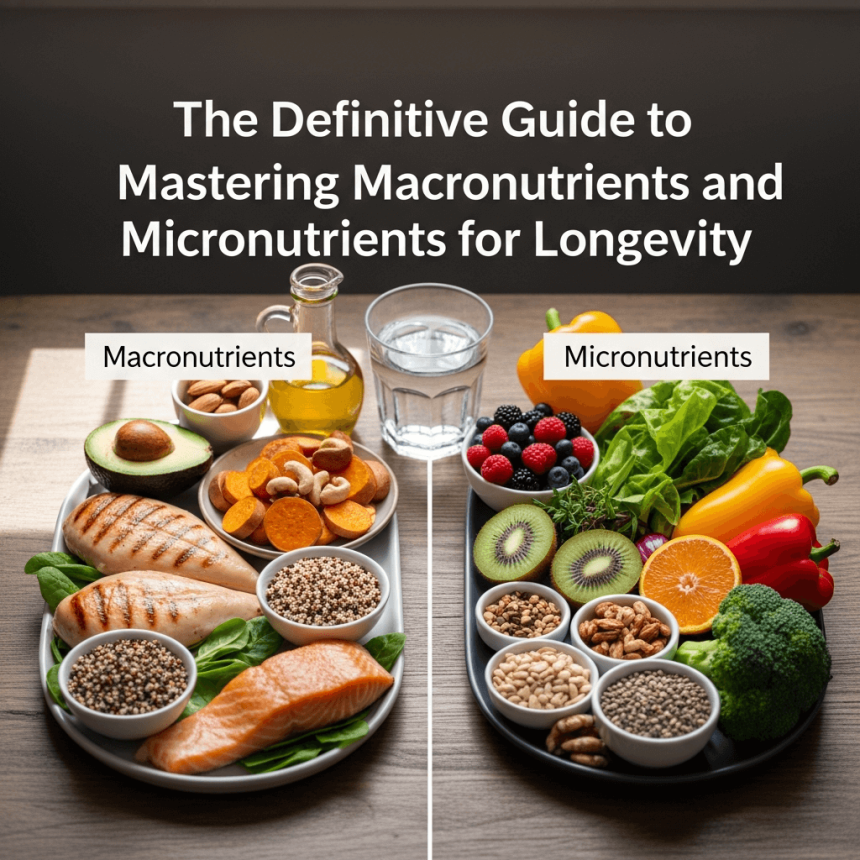
Macronutrients are the nutrients your body needs in large quantities to function. They provide the energy (measured in calories) required for everything from cellular repair to running a marathon. In 2026, the focus has moved beyond mere “tracking” to “optimizing” based on real-time metabolic data.
1. Protein: The Architect of Longevity
Protein is no longer just for bodybuilders. Modern science now recognizes protein as the most critical macronutrient for healthy aging and metabolic health. As we face the rising challenge of sarcopenia (age-related muscle loss), protein intake has become a cornerstone of preventative medicine.
The Shift to Quality and Timing
In 2026, we focus on “Protein Bioavailability.” Not all proteins are created equal. While plant-based diets are surging in popularity, the industry is placing a premium on “complete proteins” that provide all essential amino acids.
- Leucine and Muscle Protein Synthesis: Recent studies emphasize the role of the amino acid leucine in “turning on” the muscle-building switch. For optimal health, aim for 2.5 to 3 grams of leucine per meal.
- The 30/30/30 Rule: A trending strategy in 2026 is consuming 30 grams of protein within 30 minutes of waking up, followed by 30 minutes of low-intensity movement. This stabilizes blood glucose and prevents mid-morning energy crashes.
2. Carbohydrates: The Strategic Energy Source
Carbohydrates are the body’s preferred fuel source, but their reputation has been unfairly tarnished. In 2026, we distinguish between “fibermaxxing” (high fiber intake) and simple sugar consumption.
The Rise of Fibermaxxing
Fiber is the “new protein” of 2026. It is essential for gut microbiome health and metabolic regulation. Leading nutritionists now recommend 35 to 50 grams of fiber per day to support the gut-brain axis.
- Complex vs. Simple: Focus on slow-burning complex carbohydrates like quinoa, sweet potatoes, and ancient grains. These provide a steady release of glucose, preventing the insulin spikes associated with chronic inflammation.
- Chrononutrition: This involves aligning carbohydrate intake with your circadian rhythm. Eating the majority of your carbs during your most active hours (typically midday) helps your body process glucose more efficiently.
3. Lipids: Essential Fats for Cellular Integrity
Fats are crucial for hormone production, brain health, and the absorption of vitamins. The 2026 consensus is clear: the type of fat matters far more than the total amount.
- Omega-3 Fatty Acids: Research from 2025 and 2026 has solidified the link between high omega-3 intake and reduced neuroinflammation. Sources like wild-caught fatty fish, algae oil, and walnuts are non-negotiable for cognitive longevity.
- The Saturated Fat Debate: While some saturated fats are necessary, the focus is shifting toward monounsaturated fats found in olive oil and avocados, which support cardiovascular health without increasing LDL cholesterol levels.
The Silent Power of Micronutrients: The Catalysts of Biology
While macronutrients provide the fuel, micronutrients (vitamins and minerals) act as the chemical spark plugs that keep your biological engine running. Even a minor deficiency can lead to brain fog, fatigue, and a weakened immune system.
1. Essential Vitamins: Organic Regulators
Vitamins are organic compounds required for various metabolic processes. In 2026, the focus is on “active forms” of vitamins to bypass genetic absorption issues.
- Vitamin D3 and K2: This duo is essential for bone health and arterial decalcification. With more people working remotely, vitamin D deficiency remains a global concern.
- Methylated B-Vitamins: Many individuals have a genetic variation (MTHFR) that prevents them from processing standard folic acid. 2026 wellness protocols prioritize methylated folate and B12 for optimal energy and methylation.
- Vitamin C and Liposomal Technology: For maximum absorption, liposomal Vitamin C has become the gold standard, ensuring that this powerful antioxidant reaches the cells where it is needed most.
2. Minerals: The Inorganic Foundation
Minerals are inorganic elements that provide structural support and regulate fluid balance.
- Magnesium: The Master Mineral: Involved in over 300 biochemical reactions, magnesium is critical for sleep and stress management. In 2026, “magnesium bathing” and specific chelates like magnesium bisglycinate are top trends for nervous system regulation.
- Zinc and Copper Balance: These minerals work in a delicate ratio to support immune function. Oversupplementing one can deplete the other, highlighting the need for personalized testing.
- Trace Minerals: Elements like selenium and iodine are vital for thyroid health, a major focus for women’s health in 2026.
2026 Nutrition Trends: Real-Time Information for the Modern World
The way we approach nutrition has changed because the tools we use have evolved. Here is the “Live Daily Information” for the start of 2026:
AI-Powered Precision Nutrition
Artificial intelligence is now integrated into most wearable devices. These systems analyze your sleep, heart rate variability (HRV), and even continuous glucose monitor (CGM) data to tell you exactly what to eat for your next meal.
- Metabolic Flexibility: AI tools are helping users achieve “metabolic flexibility,” the ability of the body to switch efficiently between burning carbs and burning fat.
- Personalized Supplementation: Companies are now offering custom vitamin packs based on monthly blood tests and DNA analysis, ensuring you never take more (or less) than you need.
The GLP-1 Transformation
The widespread use of GLP-1 medications for weight management has created a new category of “GLP-1 Friendly” foods. These products are high in protein and fiber to prevent muscle loss and support gut health during weight loss journeys.
Bioharmony and Circadian Eating
Aligning your meals with your internal clock is a major trend. 2026 research from the Salk Institute suggests that a consistent 10-hour eating window can significantly improve insulin sensitivity and reduce the risk of metabolic syndrome.
How to Balance Your Plate: A 2026 Perspective
Mastering nutrition does not have to be complicated. By following these evidence-based principles, you can create a sustainable and high-performance lifestyle.
1. Prioritize Whole Foods
The “Ultra-Processed Food Reckoning” is here. In 2026, consumers are looking for transparency. If a food item has more than five ingredients or contains chemicals you cannot pronounce, it is likely inflammatory. Stick to foods in their original form.
2. Focus on Nutrient Density
Nutrient density is the ratio of micronutrients to calories. Leafy greens, organ meats (making a comeback in 2026), and berries are among the most nutrient-dense foods on the planet.
3. Listen to Your Bio-Individuality
No single diet works for everyone. Use wearables and blood work to see how your body responds to different foods. If “healthy” oatmeal makes your blood sugar skyrocket, it is not healthy for you.
Sources and Further Reading
- World Health Organization (WHO): Global Micronutrient Database
- National Institutes of Health (NIH): Office of Dietary Supplements Strategic Plan 2025-2029
- Journal of Personalized Medicine: The Role of AI in Nutritional Optimization (2026 Study)
- Harvard T.H. Chan School of Public Health: The Nutrition Source
Conclusion: Your Journey to Optimal Health
Understanding the synergy between macronutrients and micronutrients is the most powerful tool you have for controlling your health destiny. As we move through 2026, the shift from “healthcare” to “health care” (taking care of one’s own health proactively) is essential. By focusing on high-quality proteins, strategic carbohydrates, essential fats, and a full spectrum of vitamins and minerals, you are building a foundation that will last a lifetime.
The future of nutrition is personal, data-driven, and incredibly exciting. Start today by making one small change: perhaps adding more fiber to your breakfast or testing your vitamin D levels. Small steps lead to massive transformations.