

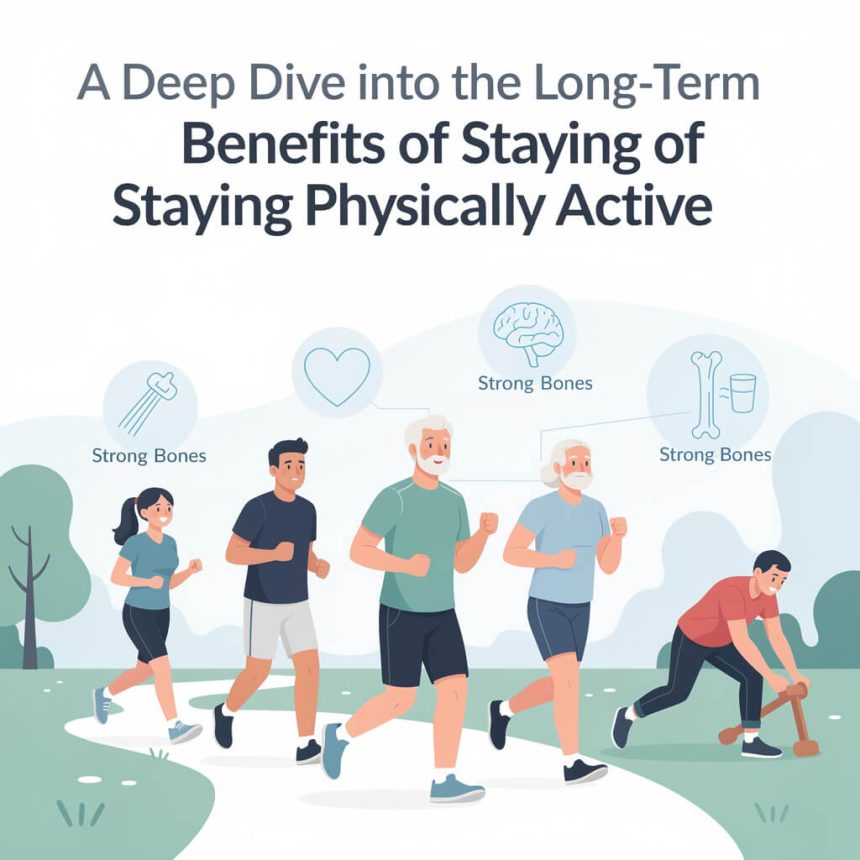
In the year 2026, the global conversation surrounding health has shifted from mere survival to the pursuit of optimal longevity. We are no longer just looking to add years to our lives; we are striving to add life to our years. At the center of this movement lies a fundamental pillar that remains as relevant today as it was decades ago: consistent physical activity. While modern medicine and biohacking technologies have advanced, the most potent tool for sustaining long-term health is still the intentional movement of the human body.
- The Cardiovascular Shield: Protecting the Heart for Decades
- Metabolic Health: The Fight Against Insulin Resistance and Diabetes
- Cognitive Resilience: Movement as Medicine for the Brain
- Musculoskeletal Integrity: Preventing Sarcopenia and Bone Loss
- The Immune System and Inflammation: A Molecular Perspective
- Mental Health and Emotional Well-being in a High-Stress World
- 2026 Fitness Trends: The Future of Personalization
- Wearable Technology and AI Coaching
- Micro-Workouts and Exercise Snacks
- The Cardio Comeback: Zone 2 and VO2 Max
- Implementation: How to Build a Sustainable Active Lifestyle
- Conclusion: Investing in Your Future Self
This comprehensive guide explores the multifaceted advantages of staying active. We will examine how physical movement acts as a primary defense against chronic disease, a catalyst for cognitive resilience, and a foundation for emotional well-being. By integrating the latest 2026 health trends and scientific breakthroughs, this article provides the insights needed to navigate the future of wellness.
The Cardiovascular Shield: Protecting the Heart for Decades
Cardiovascular health remains the leading indicator of long-term survival. The heart is a muscular pump that requires regular stress to maintain its efficiency. Engaging in aerobic activity is the most effective way to strengthen this vital organ. Research from the American Heart Association in 2025 and 2026 continues to emphasize that even 150 minutes of moderate-intensity activity per week can drastically reduce the risk of heart disease and stroke.
Enhancing Vascular Elasticity and Blood Flow
Over time, arteries tend to stiffen, leading to hypertension and increased cardiac workload. Regular physical activity promotes the release of nitric oxide, a molecule that helps blood vessels dilate and maintain flexibility. This process, known as vasodilation, is crucial for maintaining healthy blood pressure levels. Long-term exercisers often show vascular profiles that are decades younger than their sedentary peers.
Managing Lipids and Preventing Atherosclerosis
Physical activity plays a critical role in managing cholesterol levels. It helps increase high-density lipoprotein (HDL), often referred to as “good” cholesterol, which acts as a scavenger to remove low-density lipoprotein (LDL) from the bloodstream. By preventing the buildup of plaque in the arteries, active individuals significantly lower their risk of atherosclerosis and heart attacks. Recent data from the World Health Organization (WHO) indicates that active populations have a 19 percent lower risk of cardiovascular mortality compared to those who are inactive.
Metabolic Health: The Fight Against Insulin Resistance and Diabetes
One of the most significant health crises of the 21st century is metabolic dysfunction. In 2026, we are seeing a heightened focus on glucose monitoring and metabolic flexibility. Physical activity is the most natural way to regulate blood sugar and enhance insulin sensitivity.
The Role of Muscle as a Metabolic Sink
Skeletal muscle is the primary site for glucose disposal in the body. When you exercise, your muscles require energy, which they pull from the glucose circulating in your blood. Regular movement trains the body to manage these levels more efficiently. This is especially vital for preventing Type 2 diabetes. For those already managing metabolic conditions, daily activity can reduce the need for medication and prevent the long-term complications associated with high blood sugar, such as nerve damage and kidney failure.
Weight Management and Cellular Energy
Beyond burning calories, physical activity influences how our bodies store and use fat. It promotes the health of our mitochondria, the powerhouses of our cells. Efficient mitochondria are better at burning fuel and reducing oxidative stress. In 2026, the integration of exercise with advanced nutritional strategies is helping millions manage obesity, a condition that affects nearly 43 percent of adults globally. The focus has moved away from the “calories in, calories out” model toward a more sophisticated understanding of metabolic health.
Cognitive Resilience: Movement as Medicine for the Brain
Perhaps the most exciting area of research in 2026 is the link between physical activity and brain health. As the global population ages, the prevalence of neurodegenerative diseases such as Alzheimer’s and dementia is rising. However, staying active provides a powerful neuroprotective effect.
Neuroplasticity and Brain-Derived Neurotrophic Factor (BDNF)
When we move, our brains produce a protein called Brain-Derived Neurotrophic Factor (BDNF). This protein acts like fertilizer for the brain, supporting the growth of new neurons and strengthening existing connections. High levels of BDNF are associated with improved memory, faster learning, and better executive function. Regular aerobic exercise has been shown to increase the size of the hippocampus, the part of the brain responsible for verbal memory and learning.
Building Cognitive Reserve
Physical activity contributes to what scientists call “cognitive reserve.” This is the brain’s ability to improvise and find alternate ways of getting a job done. Individuals with higher cognitive reserve can withstand more age-related changes or pathology in the brain before showing symptoms of decline. Studies published in late 2025 suggest that those who engage in vigorous activity at least once a week have significantly lower odds of developing mental disorders and cognitive impairment in later life.
Musculoskeletal Integrity: Preventing Sarcopenia and Bone Loss
As we reach our 40s and 50s, the natural loss of muscle mass (sarcopenia) and bone density (osteoporosis) begins to accelerate. Without intervention, this leads to frailty, loss of independence, and an increased risk of life-altering falls.
The Power of Resistance Training
While walking is excellent for the heart, resistance training is the gold standard for preserving muscle and bone. Lifting weights, using resistance bands, or performing bodyweight exercises like squats and push-ups creates microscopic stress on the bones and muscles. The body responds by rebuilding these tissues stronger. This is not about bodybuilding; it is about functional strength. In 2026, strength training for older adults has become one of the top fitness trends, as people recognize that muscle is a key organ of longevity.
Joint Health and Mobility
Movement keeps joints lubricated. Synovial fluid, which nourishes the cartilage in our joints, is circulated through movement. Contrary to the myth that exercise wears out the joints, appropriate physical activity actually protects them. By strengthening the muscles around the joints, we reduce the load and impact on the joints themselves, helping to manage or even prevent the onset of arthritis.
The Immune System and Inflammation: A Molecular Perspective
Chronic, low-grade inflammation is often called “inflammaging” because it is a hallmark of aging and a precursor to many diseases. Physical activity is one of the most effective anti-inflammatory interventions available.
Modulating the Immune Response
Regular exercise helps the immune system function more effectively. It increases the circulation of immune cells, allowing the body to detect and respond to pathogens more quickly. Recent studies using “omics” technologies (genomics and proteomics) have shown that exercise can actually modify gene expression related to inflammation. By reducing the levels of pro-inflammatory cytokines, staying active helps protect the body from autoimmune conditions and improves the response to vaccines and infections.
Cellular Longevity and Telomeres
Emerging research indicates that physically active individuals may have longer telomeres, the protective caps on the ends of our chromosomes. Telomeres naturally shorten as we age, but exercise appears to slow this process. This means that at a cellular level, active people are biologically younger than their chronological age would suggest.
Mental Health and Emotional Well-being in a High-Stress World
In 2026, the mental health benefits of exercise are prioritized just as much as the physical ones. With the rise of digital stress and global instability, movement has become a sanctuary for psychological health.
The “Runner’s High” and Beyond
Physical activity triggers the release of endorphins and dopamine, the body’s natural “feel-good” chemicals. Beyond the immediate post-workout glow, long-term activity helps regulate the hypothalamic-pituitary-adrenal (HPA) axis, which controls our stress response. Active individuals tend to be more resilient to the challenges of daily life, showing lower rates of anxiety and clinical depression.
Social Connection and Purpose
Many forms of physical activity involve a social component. Whether it is a local walking group, a pickleball match, or a group fitness class, these interactions provide a sense of community and belonging. Social isolation is a major risk factor for early mortality, and the community aspect of fitness provides a secondary layer of health protection that is often overlooked.
2026 Fitness Trends: The Future of Personalization
The fitness landscape in 2026 is defined by data and technology. We are moving away from one-size-fits-all programs toward hyper-personalized wellness.
Wearable Technology and AI Coaching
Wearable devices have evolved far beyond simple step counting. Modern wearables track HRV (heart rate variability), glucose levels, sleep stages, and even mitochondrial efficiency. Artificial intelligence now uses this data to provide real-time coaching, telling users when to push harder and when to focus on recovery. This helps prevent overtraining and ensures that every minute of activity is optimized for the individual’s specific health goals.
Micro-Workouts and Exercise Snacks
For the busy professional, the concept of “exercise snacks” or micro-workouts has gained massive popularity. These are short, 5 to 10-minute bursts of activity performed throughout the day. Research shows that these frequent sessions can be just as effective as one long workout for improving metabolic health and breaking up sedentary time. In a world where many work from home, micro-workouts are a practical solution to the dangers of sitting.
The Cardio Comeback: Zone 2 and VO2 Max
There is a renewed focus on “Zone 2” training, which involves steady-state cardio at a level where you can still hold a conversation. This intensity is optimal for building mitochondrial health and aerobic base. Additionally, VO2 Max (the maximum amount of oxygen your body can use during exercise) has emerged as one of the single best predictors of long-term survival. In 2026, training specifically to improve these metrics is a core part of any longevity-focused routine.
Implementation: How to Build a Sustainable Active Lifestyle
The key to reaping the long-term benefits of physical activity is consistency. It is better to do a little every day than to do a lot once a week.
Starting Where You Are
For those who have been sedentary, the first step is to simply reduce sitting time. Start with 10-minute walks after meals. Gradually increase the duration and intensity as your fitness improves. The goal is to reach at least 150 minutes of moderate activity per week, plus at least two days of full-body strength training.
Prioritizing Recovery
In 2026, we understand that “more is not always better.” Recovery is just as important as the workout itself. This includes getting 7 to 9 hours of quality sleep, staying hydrated, and incorporating practices like yoga or stretching to maintain mobility. An active body requires adequate fuel and rest to repair and grow stronger.
Finding Joy in Movement
Sustainability comes from enjoyment. Whether it is dancing, hiking, swimming, or playing a sport, find an activity that you look forward to. When movement is a source of joy rather than a chore, it becomes a permanent part of your identity.
Conclusion: Investing in Your Future Self
The decision to stay physically active is an investment that pays dividends for the rest of your life. It is the most effective way to protect your heart, sharpen your mind, and maintain your independence. As we navigate the complexities of life in 2026, let movement be the foundation upon which you build your healthiest, most vibrant self. The science is clear: a body in motion stays in health.
Sources and Further Reading
- Centers for Disease Control and Prevention (CDC): Benefits of Physical Activity
- World Health Organization (WHO): Physical Activity Fact Sheet
- American Heart Association (AHA): Physical Activity and Cardiovascular Health
- American College of Sports Medicine (ACSM): Top Fitness Trends for 2026
- Harvard Health Publishing: The Link Between Exercise and Cognitive Health