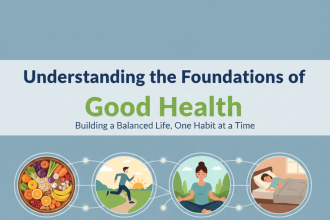



In the fast-paced landscape of 2026, the pursuit of wellness has shifted from radical overhauls to the precision of micro-habits. We no longer look for the “magic pill” or the grueling thirty-day transformation. Instead, the most influential health outcomes are being driven by subtle, consistent lifestyle shifts that leverage our body’s natural biological rhythms.
- The Power of Circadian Alignment and Morning Light
- Nutritional Bio-Harmony: Beyond Calorie Counting
- Movement Snacking: The End of Sedentary Fatigue
- Advanced Hydration and Mineral Balance
- Nervous System Regulation: The New Stress Management
- The Role of Preventative Screenings and Data
- Summary of Daily Health Rituals for 2026
- Final Thoughts on Sustainable Health
As a dedicated health strategist, I have observed that the individuals reaching their peak physical and mental states are not those doing the most, but those doing the right things at the right times. This guide explores how small lifestyle changes backed by the latest 2026 clinical data can fundamentally improve your general health and longevity.
The Power of Circadian Alignment and Morning Light
One of the most profound yet simple changes you can make involves the timing of your light exposure. Research in 2026 continues to reinforce the importance of the circadian rhythm the internal clock that regulates everything from metabolism to mood.
Viewing Natural Sunlight Within 30 Minutes of Waking
When you view natural sunlight shortly after waking, you trigger a neural circuit that controls the timing of the hormones cortisol and melatonin. A morning cortisol spike is essential for alertness, while the early light exposure sets a timer for melatonin release roughly 16 hours later, ensuring a smoother transition into sleep.
- Actionable Step: Step outside for 5 to 10 minutes without sunglasses as soon as the sun is up. Even on overcast days, the lux levels from the sky are significantly higher than indoor artificial lighting.
Managing Blue Light in the Evening
Conversely, as the day winds down, the brain becomes more sensitive to light. Avoiding bright overhead lights and blue-light-emitting screens after 8:00 PM is a small change that yields massive dividends in sleep architecture. Modern wearable devices now show a direct correlation between evening light hygiene and increased REM sleep.
Nutritional Bio-Harmony: Beyond Calorie Counting
In 2026, the conversation has moved past simple caloric deficits toward “Bio-Harmony.” This approach focuses on how food interacts with your unique biology and the health of your microbiome.
The Rise of Fiber-Maxxing for Gut Health
Gut health is now recognized as the cornerstone of the immune system and mental health. Small additions of diverse plant-based fibers a trend known as “fiber-maxxing”—can significantly alter your internal terrain. Increasing your intake of fermented foods and prebiotic fibers supports the production of short-chain fatty acids, which reduce systemic inflammation.
Strategic Protein Distribution
Rather than consuming the bulk of your protein at dinner, the current medical consensus suggests distributing protein intake evenly throughout the day. This “protein pacing” supports muscle protein synthesis and metabolic health, which is crucial as muscle is now considered a vital metabolic organ. Aiming for 25 to 30 grams of protein at breakfast can stabilize blood sugar and prevent mid-day energy crashes.
Movement Snacking: The End of Sedentary Fatigue
The old “all or nothing” approach to the gym is being replaced by “exercise snacking.” For those with demanding schedules, these micro-movements are proving to be as effective and sometimes more sustainable than long, infrequent workouts.
The 10-Minute Post-Meal Walk
A ten-minute walk after your largest meal of the day is a small change with a heavy impact. It assists in glucose disposal, meaning your body clears sugar from the bloodstream more efficiently, reducing the risk of metabolic disorders.
Zone 2 Cardio and Functional Mobility
Incorporating low-intensity “Zone 2” cardio where you can still hold a conversation improves mitochondrial health. Pairing this with daily mobility flows (5 minutes of stretching or yoga) keeps the joints lubricated and prevents the chronic aches associated with modern desk work.
Advanced Hydration and Mineral Balance
Hydration is no longer just about drinking eight glasses of water. In 2026, we understand that “wetness” is not the same as “hydration.”
The Importance of Electrolyte Integrity
Drinking large amounts of plain water can sometimes flush out essential minerals like magnesium, potassium, and sodium. Adding a pinch of high-quality sea salt or a dedicated electrolyte mix to your morning water can improve cellular hydration, leading to better focus and fewer tension headaches.
The Hydration-Sleep Connection
Recent studies from the University of Connecticut (2025-2026) highlight that even mild dehydration can lead to increased fatigue and difficulty falling asleep. Ensuring you are hydrated throughout the day while tapering fluid intake two hours before bed optimizes the release of vasopressin, a hormone that helps your body manage water during the night.
Nervous System Regulation: The New Stress Management
Mental health in 2026 is less about “talking through” stress and more about “regulating through” the body. This is known as somatic wellness.
Coherent Breathing and the 4-7-8 Method
Your breath is the most accessible remote control for your nervous system. Practicing the 4-7-8 breathing technique (inhale for 4, hold for 7, exhale for 8) for just three minutes can move you from a “fight or flight” state to a “rest and digest” state. This small change lowers heart rate variability (HRV) and reduces the physiological toll of daily stress.
Digital Disconnect Rituals
Stress is often exacerbated by “infinite scroll” dopamine loops. Setting a “Digital Sunset” where all devices are placed in a different room an hour before sleep allows the nervous system to downregulate. This habit is consistently linked to lower levels of cortisol, the body’s primary stress hormone.
The Role of Preventative Screenings and Data
In 2026, being proactive is the standard. Small lifestyle changes are most effective when they are informed by data.
Upgraded Annual Bloodwork
The standard blood panel is evolving. People are now requesting tests for hs-CRP (a marker for inflammation) and ApoB (a better predictor of heart health than traditional LDL). Knowing these numbers allows you to tailor your lifestyle changes to your specific risks.
Wearable Technology as a Compass
Whether it’s a smart ring or a high-tech watch, using data to track sleep cycles and recovery scores helps you understand which small changes are actually working. If a specific evening ritual increases your “Recovery Score,” you have the objective proof needed to turn that change into a lifelong habit.
Summary of Daily Health Rituals for 2026
| Time of Day | Micro-Habit | Primary Benefit |
| Morning | 10 mins Sunlight | Resets Circadian Clock |
| Morning | High-Protein Breakfast | Blood Sugar Stability |
| Afternoon | 10-min Post-Lunch Walk | Improved Digestion |
| Evening | Digital Sunset (1 hr) | Melatonin Production |
| Night | Magnesium/Herbal Tea | Nervous System Calm |
Final Thoughts on Sustainable Health
Improving your general health does not require a complete life upheaval. By focusing on the “Science of Small,” you align your lifestyle with your biology. These changes better light timing, strategic nutrition, movement snacks, and nervous system regulation accumulate like compound interest. By the time 2027 rolls around, these small shifts will have formed the foundation of a completely transformed version of yourself.