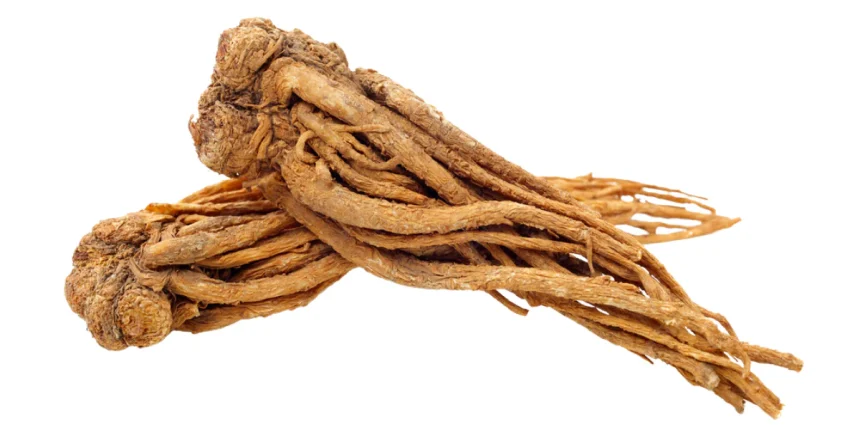
The world of natural wellness is undergoing a massive transformation in 2026. We are moving away from generic supplements and toward evidence based botanicals that offer personalized support for the body. Among the most revered plants in this movement is Angelica root. Often referred to as the “Root of the Holy Spirit” or “Female Ginseng,” this resilient herb has bridged the gap between ancient folk medicine and modern clinical science. Whether you are navigating the complexities of hormonal shifts or seeking a natural way to bolster your digestive and circulatory systems, Angelica root stands out as a versatile powerhouse.
- Botanical Overview: Understanding the Angelica Genus
- The Nutritional and Chemical Profile of Angelica Root
- Angelica Root for Women’s Health: A Life Cycle Approach
- Supporting the Menstrual Cycle and PMS
- Navigating Perimenopause and Menopause
- Postpartum Recovery and Blood Building
- Digestive and Metabolic Wellness
- Anti-Inflammatory and Cardiovascular Benefits
- Mental Clarity and the “Nature Meets Science” Trend
- How to Incorporate Angelica Root into Your Routine
- Safety, Precautions, and Side Effects
- The Future of Angelica: Trends for 2026 and Beyond
- Conclusion: Embracing the Wisdom of the Root
In this comprehensive guide, we will explore the deep nutritional profile of Angelica, its specific role in supporting women through every stage of life, and the latest 2026 research that validates its traditional uses. By the end of this article, you will understand why this botanical is a cornerstone of the modern proactive health movement.
Botanical Overview: Understanding the Angelica Genus
To truly appreciate the benefits of this plant, we must first distinguish between the two primary species used in wellness today: Angelica archangelica and Angelica sinensis. While they share a genus, their applications and origins are distinct.
Angelica Archangelica: The European Tradition
Native to the temperate regions of Europe and parts of the Himalayas, Angelica archangelica is a tall, aromatic perennial. It thrives near water and in damp soil, often reaching heights of over two meters. Historically, it was used by Nordic cultures as both food and medicine. In the European tradition, the root is prized for its warming, carminative properties. It is a staple in digestive liqueurs and is frequently used to support the respiratory system.
Angelica Sinensis: The “Female Ginseng” (Dong Quai)
Perhaps even more famous in the realm of women’s health is Angelica sinensis, commonly known as Dong Quai. This species is central to Traditional Chinese Medicine (TCM). For thousands of years, practitioners have utilized Dong Quai to “nourish the blood” and “invigorate the circulation.” It is specifically classified as a blood tonic, making it the premier choice for addressing menstrual irregularities and menopausal symptoms.
The Nutritional and Chemical Profile of Angelica Root
What makes Angelica root so effective? The answer lies in its complex biochemical composition. In 2026, our understanding of these compounds has reached a new level of precision, allowing us to see exactly how they interact with human physiology.
Key Bioactive Compounds
- Coumarins and Furanocoumarins: These are the primary aromatic compounds in Angelica. They are known for their anti-inflammatory and vasodilating effects, which help to relax smooth muscles and improve blood flow.
- Essential Oils: The root contains volatile oils like alpha-pinene and sabinene. These oils provide the characteristic earthy scent and contribute to the plant’s antimicrobial and calming properties.
- Ferulic Acid: Particularly abundant in Angelica sinensis, ferulic acid is a powerful antioxidant. It helps protect the vascular endothelium (the lining of the blood vessels) and supports healthy blood circulation.
- Polysaccharides: These complex carbohydrates are known to modulate the immune system. Recent studies have highlighted their role in hematopoiesis, which is the process of creating new blood cells.
- Valuable Micronutrients: Angelica root contains trace amounts of vitamins B12, A, and E, along with minerals like iron, magnesium, and potassium.
Angelica Root for Women’s Health: A Life Cycle Approach
The primary reason Angelica has regained its status as a trending botanical in 2026 is its profound impact on female reproductive and hormonal health. It is often described as a “hormonal adaptogen” because of its ability to bring the body back into balance.
Supporting the Menstrual Cycle and PMS
For many women, the monthly cycle brings discomfort in the form of cramps (dysmenorrhea) and premenstrual syndrome (PMS). Angelica sinensis acts as an antispasmodic. The Z-ligustilide found in the root helps to relax the smooth muscles of the uterus, which can significantly reduce the intensity of menstrual cramps.
Furthermore, Angelica is often used to regulate the flow. In TCM, it is believed to help “move the blood,” which is beneficial for women experiencing scanty or irregular periods. Its high ferulic acid content also helps to tonify the blood, making it a supportive herb for those who feel fatigued or anemic during their cycle.
Navigating Perimenopause and Menopause
As women enter the midlife transition, the drop in estrogen levels can lead to a host of symptoms, including hot flashes, night sweats, and mood swings. In 2026, the “Midlife Movement” has empowered women to seek natural alternatives to, or supports for, Hormone Replacement Therapy (HRT).
Angelica root contains phytoestrogens, which are plant based compounds that can weakly mimic or modulate estrogen in the body. While they are not as potent as human hormones, they can help “buffer” the fluctuations that lead to hot flashes. Some research suggests that Angelica may help maintain circulating levels of serotonin, a neurotransmitter that plays a crucial role in temperature regulation and emotional stability.
Postpartum Recovery and Blood Building
After childbirth, the body needs deep nourishment to recover. Angelica has a long history of use as a postpartum tonic. By stimulating the bone marrow to produce more red blood cells, it helps to address postpartum anemia and exhaustion. It is often combined with other herbs, such as Astragalus, to enhance its energy boosting effects.
Digestive and Metabolic Wellness
While its fame often rests on hormonal health, Angelica archangelica is an elite digestive aid. In an era where gut health is recognized as the foundation of immunity and mood, this root is more relevant than ever.
Relief for Dyspepsia and Bloating
Angelica is a bitter herb. Bitters stimulate the production of digestive enzymes and bile, which are essential for breaking down fats and proteins. It is frequently used to treat functional dyspepsia, a condition characterized by upper abdominal pain, bloating, and a feeling of fullness.
One of the most popular herbal formulations in Europe, which includes Angelica, has been shown in clinical trials to reduce acid reflux and nausea. Its carminative action helps to dispel gas, making it a go to remedy for chronic bloating.
Support for Overactive Bladder
A breakthrough pilot randomized controlled trial published in late 2025 has brought new attention to Angelica archangelica’s role in urinary health. The study found that a specific extract of the leaf and root could significantly reduce daytime voids and urgency in adults with overactive bladder (OAB). For women who experience urinary frequency, particularly after menopause, this represents a major natural breakthrough.
Anti-Inflammatory and Cardiovascular Benefits
In 2026, longevity is a key health goal. Protecting the heart and reducing systemic inflammation are central to this objective. Angelica root contributes to both.
Enhancing Circulation and Heart Health
The vasodilatory properties of Angelica mean that it helps to widen blood vessels, which can improve overall circulation and potentially lower high blood pressure. By inhibiting platelet aggregation (the clumping of blood cells), it may also reduce the risk of harmful clots.
Arthritis and Joint Support
The anti-inflammatory compounds in Angelica, particularly the polysaccharides, have shown promise in protecting cartilage. For women dealing with osteoarthritis or rheumatoid arthritis, Angelica may help to reduce joint pain and stiffness by modulating inflammatory pathways like NF-κB.
Mental Clarity and the “Nature Meets Science” Trend
The modern world is demanding, and the stress of the 2020s has led to a surge in interest in “brain health” botanicals. Angelica root is being studied for its neuroprotective effects.
Anxiety and Stress Reduction
Animal studies have long suggested that Angelica archangelica has anxiolytic (anxiety-reducing) properties. In 2026, more people are turning to these traditional “nerve tonics” to manage the daily pressures of life without the side effects of pharmaceutical sedatives. The plant’s essential oils have a grounding effect on the nervous system, often used in aromatherapy to combat hysteria and chronic fatigue.
Combatting Brain Fog
Many women in perimenopause complain of “brain fog” or memory lapses. By improving cerebral circulation and providing antioxidant protection to brain cells, Angelica may help maintain cognitive function during this transitional period.
How to Incorporate Angelica Root into Your Routine
Given its potency, it is important to use Angelica correctly. Depending on your goals, there are several ways to prepare and consume this herb.
Angelica Tea and Infusions
A warm decoction made from the dried root is a traditional way to enjoy its benefits.
- Method: Simmer 1 to 2 teaspoons of dried Angelica root in two cups of water for about 10 to 15 minutes.
- Benefit: This is excellent for digestive issues or as a warming tonic during menstruation.
Tinctures and Extracts
For those seeking a more concentrated dose, tinctures are widely available. These are typically alcohol based extracts that preserve the volatile oils and coumarins.
- Dosage: Usually, 2 to 5 ml taken three times a day is recommended, but always follow the manufacturer’s instructions.
Culinary Uses
In Nordic countries, the young stalks of Angelica archangelica are sometimes candied or used in jams. The seeds and roots are also used to flavor gin and other botanical spirits.
Essential Oils
Angelica essential oil is highly prized in perfumery and aromatherapy. It can be diluted in a carrier oil and applied to the skin (with caution) or diffused to create a calming environment.
Safety, Precautions, and Side Effects
While Angelica is generally safe for most people, its chemical complexity requires a mindful approach.
Phototoxicity
One of the most important things to know about Angelica is its furanocoumarin content. These compounds can make the skin more sensitive to ultraviolet (UV) light. If you are taking high doses of Angelica or applying the essential oil topically, it is crucial to wear sunblock and avoid prolonged sun exposure to prevent skin rashes or “phytophotodermatitis.”
Pregnancy and Breastfeeding
Angelica is known to affect the uterus and can act as an emmenagogue (a substance that stimulates menstrual flow). Therefore, it is strictly avoided during pregnancy as it could potentially cause a miscarriage. It is also not recommended during breastfeeding due to a lack of safety data.
Bleeding Disorders and Surgery
Because Angelica can slow blood clotting, individuals with bleeding disorders or those taking blood thinning medications (like Warfarin or aspirin) should consult a doctor before use. It is standard practice to stop taking Angelica at least two weeks before any scheduled surgery.
Hormone Sensitive Conditions
Because Angelica can have estrogen-like effects, women with a history of breast, uterine, or ovarian cancer, as well as those with endometriosis or uterine fibroids, should exercise caution and seek professional medical advice.
The Future of Angelica: Trends for 2026 and Beyond
As we move further into 2026, the trend of “Personalized Wellness” will continue to evolve. We are seeing more “Smarter Botanicals” where Angelica is paired with other synergistic ingredients to target specific needs.
Synergistic Formulations
The combination of Angelica and Astragalus (known in TCM as Dang Gui Bu Xue Tang) is becoming a popular supplement for “Energy and Blood Support.” Similarly, pairings with Saffron for mood or Ashwagandha for stress are gaining traction in the “Midlife Movement” market.
Sustainability and Ethical Sourcing
In 2026, consumers are demanding transparency. The trend toward “Sustainable Simplicity” means that high quality, ethically harvested Angelica root from organic farms in Europe and Asia is more valued than ever. Look for products that provide clear information about their sourcing and extraction methods.
Conclusion: Embracing the Wisdom of the Root
Angelica root is far more than just a historical curiosity. It is a sophisticated botanical tool that offers meaningful support for the modern woman. From its ability to soothe the digestive tract to its profound impact on hormonal balance and cardiovascular health, it embodies the 2026 ideal of “Nature Meets Science.”
Whether you are looking to regulate your cycle, ease the transition into menopause, or simply support your body’s natural resilience, Angelica root provides a bridge to a more balanced and vibrant life. As with any powerful herb, the key is to approach it with respect, stay informed about the latest research, and consult with healthcare professionals to ensure it aligns with your unique needs.