

The landscape of modern medicine is undergoing a profound transformation in 2026. We are moving away from a reactive model where patients only seek help when symptoms arise, and toward a proactive, predictive approach. This shift is not merely a trend; it is a clinical and financial necessity. With healthcare costs projected to rise by a median of 9 percent this year, individuals and organizations are turning to preventive care as the primary shield against both physiological decline and economic strain.
- The Shifting Paradigm of Healthcare: Why Prevention is Paramount
- The Economic Impact: Reducing Risks to Save Capital
- Advanced Diagnostics: The New Gold Standard in 2026
- The Role of Artificial Intelligence and Wearable Technology
- Chronic Disease Prevention: A Targeted Approach
- Mental Health as a Pillar of Preventive Care
- Lifestyle as Medicine: Actionable Strategies
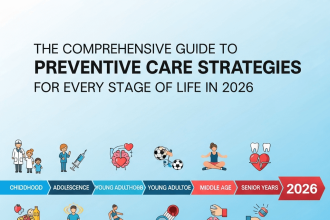
- Age-Specific Preventive Guidelines: A Roadmap for Life
- Pediatric Care (Ages 0 to 18)
- Young Adulthood (Ages 19 to 39)
- Midlife (Ages 40 to 64)
- Senior Care (Ages 65+)
- Workplace Wellness and the Future of Corporate Health
- Conclusion: Taking Control of Your Health Journey
Understanding how preventive care helps reduce health risks is the first step toward a healthier future. In this comprehensive guide, we will explore the latest advancements in diagnostic technology, the financial benefits of early intervention, and the specific lifestyle strategies that are defining health and wellness in 2026.
The Shifting Paradigm of Healthcare: Why Prevention is Paramount
In the past, the “annual physical” was often a perfunctory check of height, weight, and basic blood pressure. In 2026, the definition of a routine checkup has evolved. We now embrace the “P4 Medicine” model: Predictive, Preventive, Personalised, and Participatory. This approach uses deep data to anticipate issues before they manifest as chronic conditions.
The rise of lifestyle-related diseases, such as Type 2 diabetes, hypertension, and non-alcoholic fatty liver disease, has accelerated at an alarming rate. Research from major institutions like the World Health Organization (WHO) and the Institute for Health Metrics and Evaluation (IHME) indicates that nearly 80 percent of premature heart disease, stroke, and diabetes cases could be prevented through early intervention and lifestyle modification.
The Economic Impact: Reducing Risks to Save Capital
From a financial perspective, preventive care is the most effective way to manage the rising cost of medical services. In 2026, the price of hospital stays and surgical procedures has reached an all-time high. By identifying a risk factor such as high-sensitivity C-reactive protein (hs-CRP) or subtle insulin resistance early, patients can avoid the need for intensive, high-cost treatments later.
For those navigating health insurance in 2026, preventive services are often covered with zero cost-sharing. This is a critical advantage. Utilizing these services ensures that you are maximizing your insurance benefits while minimizing the likelihood of facing high deductibles for emergency care or chronic disease management. Employers are also doubling down on these strategies, recognizing that a healthy workforce is a more productive one.
Advanced Diagnostics: The New Gold Standard in 2026
The standard blood panel of a decade ago has been replaced by sophisticated biomarker testing. Today, a preventive screening might include:
- Advanced Lipid Profiles: Moving beyond simple LDL and HDL to look at particle size and number, providing a clearer picture of cardiovascular risk.
- Inflammation Markers: Testing for Interleukin-6 (IL-6) and hs-CRP to detect systemic inflammation that often precedes chronic illness.
- Metabolomics: Analyzing the small molecules in your blood to understand how your body processes nutrients and energy.
- Microbiome Sequencing: Understanding the health of your gut bacteria, which is now known to influence everything from mental health to immune function.
These tests offer a “biological age” assessment that is far more accurate than chronological age in predicting future health risks. By catching these markers early, clinicians can recommend “molecular medicine” in the form of specific exercise and nutrition plans.
The Role of Artificial Intelligence and Wearable Technology
Artificial Intelligence (AI) has become a cornerstone of preventive care in 2026. AI-powered diagnostics can now analyze medical imaging with greater precision than the human eye, identifying early-stage tumors or cardiovascular anomalies that might otherwise be missed.
Wearable technology has also matured. Modern devices do more than count steps; they monitor heart rate variability (HRV), blood glucose levels in real-time, and even sleep architecture. These tools provide a continuous stream of data that allows for “telemonitoring.” If your wearable detects a significant deviation in your baseline health data, it can automatically alert your healthcare provider, allowing for an intervention before a health crisis occurs.
Chronic Disease Prevention: A Targeted Approach
Cardiovascular Health
Heart disease remains a leading health risk globally. However, preventive measures like regular screenings for hypertension and arterial stiffness have proven effective. In 2026, we also focus on “muscle as a metabolic marker.” Maintaining lean muscle mass is now recognized as one of the most effective ways to prevent metabolic syndrome and support cardiovascular longevity.
Cancer Screenings and Early Detection
Early detection is the most significant factor in cancer survival rates. In 2026, new guidelines have expanded the reach of preventive screenings. For instance:
- Cervical Cancer: The introduction of self-collection samples for HPV testing has drastically increased screening rates among women.
- Colorectal Cancer: Non-invasive options like Cologuard and other advanced stool-based tests are becoming the preferred initial screening method for many.
- Breast Cancer: High-risk individuals now have access to more frequent, AI-enhanced imaging starting at age 40 or earlier based on genetic markers.
Diabetes and Obesity Management
The rise of GLP-1 medications has changed the conversation around obesity. While these treatments are effective, the 2026 focus remains on using them as part of a broader preventive strategy that includes “precision nutrition” and behavioral health support. Preventing the transition from pre-diabetes to Type 2 diabetes is a top priority for healthcare systems worldwide.
Mental Health as a Pillar of Preventive Care
We can no longer separate physical health from mental wellbeing. In 2026, mental health screenings are a standard part of every preventive visit. Chronic stress is known to disrupt the immune system and increase the risk of inflammatory diseases.
Loneliness has also been identified as a major health risk, with some studies suggesting it is as detrimental to longevity as smoking. Preventive care now includes social prescribing: a practice where doctors refer patients to community groups or social activities to combat isolation and improve overall health outcomes.
Lifestyle as Medicine: Actionable Strategies
To truly reduce health risks, clinical preventive care must be paired with daily lifestyle choices. The following areas are critical in 2026:
Precision Nutrition
The era of one-size-fits-all diets is over. By using data from your microbiome and metabolic tests, nutritionists can now design diets that are tailored to your specific genetic makeup. The goal is to reduce systemic inflammation and support a healthy gut-brain axis.
Sleep Optimization
Sleep is now viewed as a vital sign. Chronic sleep deprivation is linked to an increased risk of Alzheimer’s disease, obesity, and heart disease. Optimization techniques, including temperature-controlled bedding and light exposure therapy, are common preventive tools used to enhance recovery and cognitive function.
The Power of Movement
Exercise is often referred to as “molecular medicine.” In 2026, the focus is on a balance of resistance training to maintain muscle mass and Zone 2 aerobic exercise to improve mitochondrial health. Both are essential for reducing the risks associated with aging.
Age-Specific Preventive Guidelines: A Roadmap for Life
Pediatric Care (Ages 0 to 18)
Prevention starts in childhood. In 2026, there is a heightened focus on mental health screenings for adolescents, alongside traditional vaccinations and dental checkups. Early detection of ADHD, autism, and anxiety allows for interventions that can change a child’s developmental trajectory.
Young Adulthood (Ages 19 to 39)
This stage is about establishing a baseline. Regular screenings for STIs, mental health, and early metabolic markers are essential. It is also the time to focus on preventive reproductive health and skin cancer screenings.
Midlife (Ages 40 to 64)
This is the “critical window” for preventing chronic disease. Intensive screenings for cancer, cardiovascular health, and bone density begin here. For many, this is also the time to begin hormone health assessments to manage the transition through menopause or andropause.
Senior Care (Ages 65+)
For older adults, the goal is “healthspan” rather than just “lifespan.” Preventive care focuses on fall prevention, cognitive health assessments, and managing existing conditions to prevent hospitalizations.
Workplace Wellness and the Future of Corporate Health
Employers are playing a larger role in preventive care than ever before. In 2026, many companies offer on-site clinics, “health memberships,” and incentives for employees who meet specific health goals. These programs are designed to reduce long-term claims and keep the workforce engaged. By providing access to high-quality preventive services, employers are helping their staff navigate a complex healthcare system more effectively.
Conclusion: Taking Control of Your Health Journey
The evidence is clear: preventive care is the most powerful tool we have to reduce health risks and ensure a high quality of life. By embracing advanced diagnostics, leveraging technology, and making informed lifestyle choices, you can protect yourself against the most common chronic conditions of the modern age.
In 2026, being healthy is not just about the absence of disease; it is about the optimization of your physical and mental potential. Start your journey today by scheduling a comprehensive preventive health assessment and taking a proactive stance on your future.