


As we navigate the complex landscape of global health in early 2026, the intersection of medical innovation and public awareness has reached a critical turning point. For decades, the medical community focused primarily on reactive treatments. However, the current year marks a definitive shift toward a proactive and preventative model. Today, health literacy is not merely a supplementary skill but a foundational pillar of modern longevity. By understanding the mechanisms of common diseases and staying informed about the latest breakthroughs, individuals are now equipped to significantly alter their own health trajectories.
- The State of Global Health in January 2026
- Cardiovascular Health: Pioneering the Fight Against the World’s Leading Killer
- Oncology in 2026: The Rise of Precision Medicine and Immunotherapy
- Metabolic Health: Beyond Diabetes and Obesity
- Neurological Wellness: Prioritizing Brain Health and Cognitive Longevity
- Respiratory Diseases and Environmental Awareness
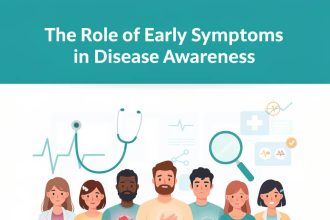
- The Power of Early Detection and Preventative Screenings
- Reducing Health Disparities through Global Awareness
- Technology as a Catalyst for Patient Empowerment
- Daily Information and Travel Health Advisories for January 2026
- Improving Outcomes through Nutritional Literacy
- Conclusion: A Future Defined by Health Awareness
- Reliable Sources for Continued Health Education
The global burden of disease continues to be dominated by noncommunicable conditions, yet the tools we possess to combat them have evolved exponentially. From AI-driven diagnostics to personalized metabolic interventions, the year 2026 offers hope that was previously reserved for science fiction. This comprehensive guide explores the most prevalent health challenges of our time and demonstrates how awareness serves as the most potent medicine available.
The State of Global Health in January 2026
As of January 5, 2026, current health reports from major international organizations highlight a dual challenge. While we are making massive strides in managing chronic conditions, we are also facing new patterns in infectious disease transmission. Recent data from the World Health Organization (WHO) and the Centers for Disease Control and Prevention (CDC) indicate that global connectivity and climate shifts are expanding the reach of vector-borne illnesses such as Dengue and Chikungunya. In fact, the recent approval of advanced vaccines like VIMKUNYA 2025 has become a central topic in travel health discussions this month.
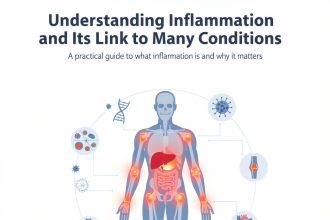
Simultaneously, the “silent epidemics” of metabolic syndrome and chronic inflammation remain the leading drivers of mortality. Statistics released earlier this week suggest that over 70 percent of global deaths are now attributed to noncommunicable diseases, many of which are preventable through early intervention and lifestyle modifications. The message for 2026 is clear: knowledge is the first line of defense.
Cardiovascular Health: Pioneering the Fight Against the World’s Leading Killer
Heart disease remains the most significant threat to global life expectancy. However, our understanding of cardiovascular health has moved beyond simple cholesterol checks. In 2026, the focus has shifted toward advanced biomarkers and high-sensitivity diagnostics.
The Role of Advanced Bloodwork and hs-CRP
One of the most significant trends this year is the widespread adoption of specialized blood panels that look deeper than traditional lipid profiles. Medical professionals now prioritize markers like high-sensitivity C-reactive protein (hs-CRP) and Interleukin-6 (IL-6). These biomarkers provide a window into systemic inflammation, which is often a precursor to arterial damage and heart failure. Awareness of these specific levels allows patients to implement anti-inflammatory diets and stress management techniques before a cardiac event occurs.
Innovations in Diagnostic Imaging
The integration of artificial intelligence into cardiac imaging has revolutionized early detection. New photon-counting CT scans and whole-body MRI protocols are now capable of identifying micro-calcifications and soft plaques with unprecedented clarity. By the time symptoms like chest pain or shortness of breath appear, heart disease is often advanced. Through routine awareness-driven screenings, these issues can be identified and managed in their subclinical stages.
Oncology in 2026: The Rise of Precision Medicine and Immunotherapy
Cancer remains a formidable challenge, but the narrative has changed from one of “fighting a disease” to “tuning the immune system.” Awareness of early warning signs combined with access to genetic screening has fundamentally improved survival rates for various malignancies.
Liquid Biopsies and Early Detection
In 2026, the “annual bloodwork upgrade” includes the search for circulating tumor DNA (ctDNA). These liquid biopsies can detect the presence of cancerous cells months or even years before they are visible on a traditional scan. Public awareness campaigns focusing on the importance of these non-invasive tests are credited with a 15 percent increase in early-stage diagnoses for lung and pancreatic cancers over the last year.
The CRISPR and Immunotherapy Revolution
We are currently witnessing the “floodgates opening” for gene-editing technologies like CRISPR. In specialized oncology centers, personalized immunotherapy protocols are being designed for individual patients. These treatments involve re-engineering a patient’s own T-cells to recognize and destroy specific tumor markers. The success of these interventions relies heavily on health literacy, as patients must understand the timing and eligibility for such advanced clinical trials.
Metabolic Health: Beyond Diabetes and Obesity
The metabolic health crisis has been redefined in 2026. We no longer view obesity and Type 2 diabetes as isolated conditions but as parts of a larger spectrum of metabolic dysfunction.
The Impact of GLP-1 Medications
The surge in GLP-1 (glucagon-like peptide-1) medications has been one of the most transformative stories in modern medicine. Originally designed for diabetes management, these treatments are now recognized for their profound impact on cardiovascular health, kidney function, and systemic inflammation. Awareness of the benefits and proper administration of these medications has led to a significant reduction in obesity-related complications globally.
Sarcopenia as a Critical Health Marker
A major shift in 2026 health awareness is the recognition of muscle mass as a metabolic organ. Sarcopenia, or the age-related loss of skeletal muscle, is now understood to be a primary driver of insulin resistance and metabolic inflexibility. Public health guidelines this year are emphasizing resistance training and adequate protein intake as foundational to longevity, moving away from a sole focus on cardiovascular “cardio” exercises.
Neurological Wellness: Prioritizing Brain Health and Cognitive Longevity
Brain health has become a central theme in 2026. With an aging global population, the focus on preventing neurodegenerative diseases like Alzheimer’s and Parkinson’s has intensified.
The Inflammation-Brain Connection
Recent studies published in Nature Neuroscience highlight the role of neuro-inflammation in cognitive decline. We now know that gut health and systemic inflammation directly impact the brain via the vagus nerve. Awareness of the “gut-brain axis” has led to a surge in personalized nutrition plans designed to protect the blood-brain barrier and support neurotransmitter production.
AI-Assisted Mental Health Care
Mental health is no longer treated separately from physical health. In 2026, integrated care models use AI-powered apps to monitor patient mood patterns, sleep quality, and stress levels in real-time. These tools empower individuals to seek help earlier, preventing the escalation of depressive or anxious episodes into chronic disability.
Respiratory Diseases and Environmental Awareness
Chronic obstructive pulmonary disease (COPD) and asthma remain prevalent, but management strategies have become much more sophisticated through the use of technology and environmental data.
Telemonitoring and Smart Inhalers
Patients with chronic respiratory conditions are now frequently equipped with smart inhalers that track usage and environmental triggers. This real-time data allows for immediate adjustments in medication, significantly reducing the number of emergency room visits. Furthermore, global awareness of air quality metrics, aided by daily 2026 air pollution reports, helps patients with respiratory sensitivities plan their outdoor activities more safely.
The Power of Early Detection and Preventative Screenings
The most effective way to improve health outcomes is to stop disease before it starts. Awareness of screening schedules is the cornerstone of this effort.
Essential Screenings for 2026
- Advanced Lipid Panels: Beyond LDL and HDL, testing for ApoB and Lipoprotein(a) is now standard for assessing true cardiovascular risk.
- Colorectal Cancer Screening: With the rising incidence of early-onset colorectal cancer, awareness of at-home DNA stool tests and early colonoscopy is vital.
- Dermatological Exams: AI-assisted mole mapping is now a common tool for the early detection of melanoma, the most dangerous form of skin cancer.
- Hormonal Optimization: Testing for thyroid function, cortisol levels, and sex hormones is increasingly recognized as essential for maintaining energy levels and metabolic health.
Reducing Health Disparities through Global Awareness
A significant focus in 2026 is the elimination of health inequities. Awareness campaigns are being tailored to reach underserved populations, ensuring that the benefits of medical innovation are not limited to the wealthy.
Community-Driven Health Initiatives
Localized training programs and mobile health clinics are bridging the gap in rural and marginalized urban areas. By providing clear, jargon-free information about disease prevention and insurance coverage, these initiatives are successfully lowering the rates of untreated hypertension and diabetes in high-risk communities.
Technology as a Catalyst for Patient Empowerment
In 2026, the relationship between doctor and patient has shifted toward a collaborative partnership. This is driven by the vast amount of health data now available to the average person.
The Rise of Wearable Health Technology
From rings that track sleep stages to continuous glucose monitors (CGMs) used by non-diabetics, wearable tech is providing a constant stream of physiological data. This information allows individuals to see the immediate impact of their lifestyle choices, fostering a sense of agency and accountability. Awareness of how to interpret this data is becoming a key component of modern health education.
Virtual Hospitals and Remote Care
The evolution of telemedicine has culminated in the “virtual hospital” model. Patients can now receive high-level specialist care from the comfort of their homes, supported by remote monitoring devices that transmit vitals directly to their medical team. This has been particularly transformative for the management of chronic diseases in elderly populations.
Daily Information and Travel Health Advisories for January 2026
Staying informed about current health threats is essential for those who travel or live in high-risk areas. As of today, the CDC has updated its digital maps to include several regions where vector-borne diseases are on the rise.
- Dengue Fever: Increased mosquito activity in Southern Europe and parts of the United States has prompted new public health warnings.
- Chikungunya: New vaccination programs are being rolled out in South America and Southeast Asia following a series of localized outbreaks.
- Influenza and Respiratory Viruses: Standard flu shots remain effective, and the latest 2025/2026 formulations are widely available.
Improving Outcomes through Nutritional Literacy
What we eat remains the most powerful tool for disease prevention. In 2026, nutritional science has moved away from “one-size-fits-all” diets and toward precision nutrition.
The Ultra-Processed Food Reckoning
A major theme this year is the scientific consensus on the dangers of ultra-processed foods. Recent reviews in The Lancet show a direct correlation between high consumption of these foods and chronic low-grade inflammation. Awareness of food labeling and the biological impact of additives is helping millions of people make healthier choices.
Microbiome Personalization
We now understand that every individual’s gut microbiome is unique. Personalized probiotic and prebiotic regimens, based on microbiome sequencing, are being used to treat everything from IBS to metabolic syndrome. Awareness of the role the microbiome plays in immune function is perhaps the most significant nutritional breakthrough of the decade.
Conclusion: A Future Defined by Health Awareness
As we look toward the remainder of 2026, the path to improved health outcomes is paved with information. The transition from being a passive recipient of healthcare to an active manager of one’s own wellness is the most important change we can make as a society. Understanding common diseases is no longer a task for medical professionals alone; it is a shared responsibility that empowers us to live longer, healthier, and more vibrant lives.
By staying curious, remaining informed about the latest scientific trends, and prioritizing preventative care, we can turn the tide against the chronic conditions that have long defined our collective health. The tools are here, the knowledge is accessible, and the future of health is in our hands.
Reliable Sources for Continued Health Education
For further reading and the most up-to-date daily health information, please refer to the following authoritative organizations:
- World Health Organization (WHO): https://www.who.int
- Centers for Disease Control and Prevention (CDC): https://www.cdc.gov
- The Lancet Digital Health: https://www.thelancet.com/journals/landig/home
- Institute for Health Metrics and Evaluation (IHME): https://www.healthdata.org
- National Academy of Medicine (NAM): https://nam.edu