


Young cancer survivors face faster aging and possible early dementia
Beating cancer young may speed up agingâbut scientists say it might not be permanent.
- Date:
- March 2, 2026
- Source:
- University of Rochester Medical Center
- Summary:
- Surviving cancer at a young age may come with an unexpected cost: faster aging at both the cellular and brain levels. Researchers found that survivors often show signs of being biologically older than their actual age, with chemotherapy accelerating the process most dramatically. This accelerated aging is linked to struggles with memory and focus, which can ripple into education and career outcomes. Encouragingly, scientists believe healthy habits like exercise may help turn back the clock.
- Share:
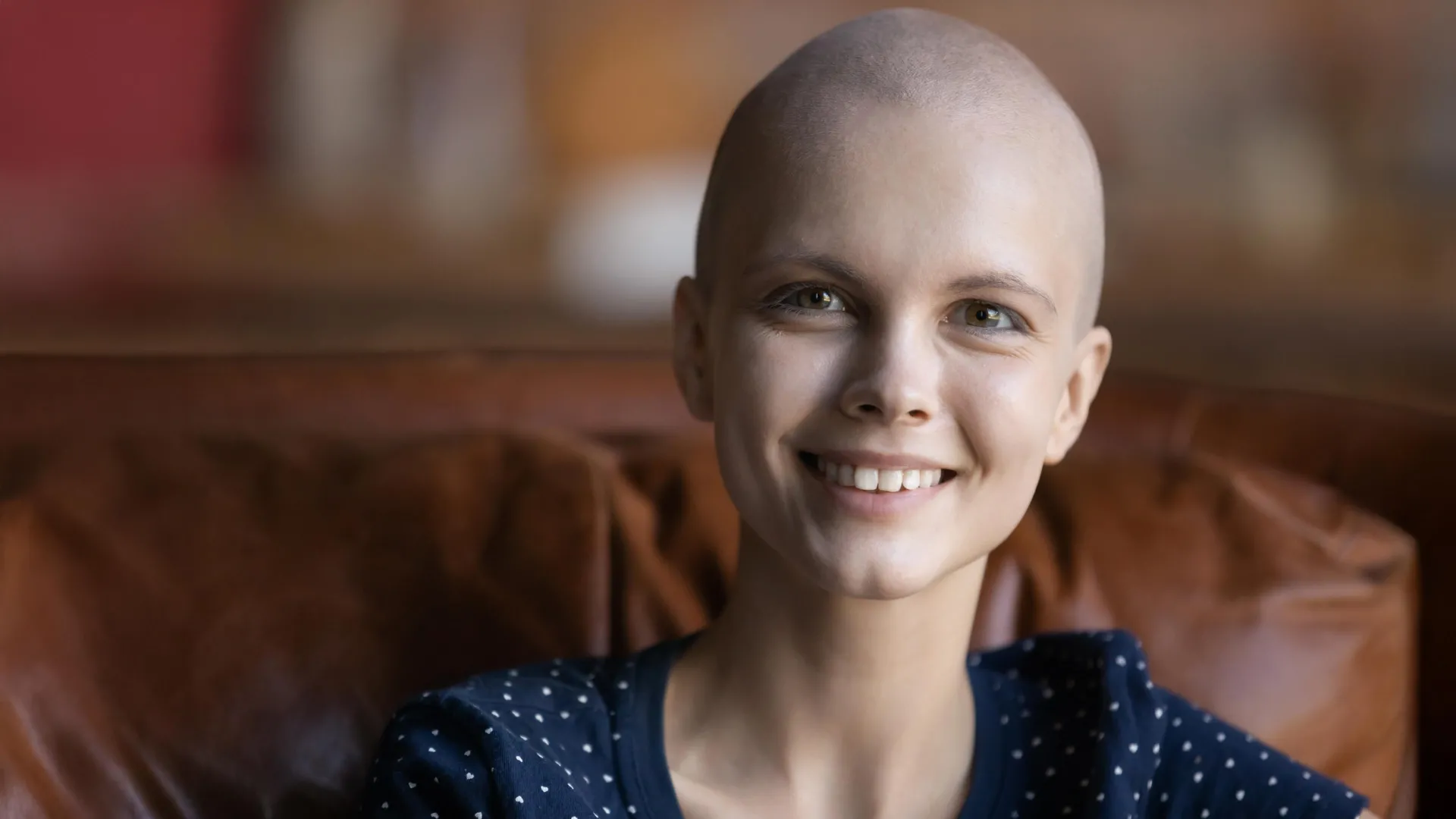
Teens and young adults who survive cancer appear to age more quickly than people their same age who have never had the disease, according to new research. Scientists found signs of faster aging not only inside cells but also in brain performance, including memory, attention, and the ability to process information.
The findings were published in Nature Communications. The research was led by AnnaLynn Williams, PhD, of the University of Rochester Wilmot Cancer Institute, along with co-corresponding author Kevin Krull, PhD, of St. Jude Children’s Research Hospital.
Lifestyle Changes May Help Reverse Biological Aging
There may be encouraging news ahead. Ongoing work at Wilmot suggests that some of the accelerated aging seen in young survivors could potentially be slowed or even reversed through healthy habits such as quitting smoking, exercising regularly, and improving diet, Williams said.
“Young cancer survivors have many more decades of life to live,” she said. “So, if these accelerated aging changes are occurring early on and setting them on a different trajectory, the goal is to intervene to not only increase their lifespan but improve their quality of life.”
Many survivors treated in childhood or young adulthood are working toward finishing school, launching careers, gaining independence, or starting families. Cognitive challenges can make those milestones harder to reach.
“It’s kind of like a perfect storm,” Williams said. “This is why we see many survivors having worse educational and employment outcomes than their siblings.”
Williams, who is also a cancer survivor, serves as an assistant professor in the Department of Surgery and is part of Wilmot’s Cancer Prevention and Control research program, which focuses on reducing long-term symptoms in survivors.
Study Tracks Long Term Survivors
The study included about 1,400 participants treated at St. Jude. All were at least five years beyond their cancer therapy, and some had survived for decades. Most had been treated for acute lymphoblastic leukemia (ALL) or Hodgkin lymphoma.
Researchers found evidence of faster biological aging regardless of the type of treatment received during childhood. However, chemotherapy was linked to the greatest acceleration. Because chemotherapy can alter DNA structure and cause widespread cellular damage, it appears to have the strongest effect on the aging process.
Biological Age Linked to Brain Function
The investigators also identified a close connection between cellular aging and cognitive performance. Survivors whose biological age was higher than their actual chronological age had more difficulty with memory and attention.
For individuals who received radiation directly to the brain, Williams said the priority is preventing further decline.
Scientists are now trying to pinpoint when accelerated aging begins. That research is ongoing at Wilmot.
In a recent pilot study, Williams examined tissue and cell samples taken before and after treatment from 50 people with Hodgkin lymphoma and compared them with samples from 50 healthy individuals. Working with John Ashton, PhD, MBA, director of the Genomics Shared Resource at Wilmot, she analyzed the data to determine whether the aging process starts during treatment or develops years later.
Other Wilmot researchers are carrying out related studies in women with breast cancer and in older adults with leukemia, aiming to find ways to reverse treatment-related aging. One recent study has already demonstrated that exercise can help counteract aging linked to cancer.
The National Cancer Institute funded Williams’ study.
Story Source:
Materials provided by University of Rochester Medical Center. Note: Content may be edited for style and length.
Journal Reference:
- AnnaLynn M. Williams, Nicholas S. Phillips, Qian Dong, Matthew J. Ehrhardt, Nikesha Gilmore, Kah Poh Loh, Xiaoxi Meng, Kirsten K. Ness, Melissa M. Hudson, Leslie L. Robison, Zhaoming Wang, Kevin R. Krull. Epigenetic age acceleration, telomere length, and neurocognitive function in long-term survivors of childhood cancer. Nature Communications, 2025; 16 (1) DOI: 10.1038/s41467-025-65664-5
Cite This Page:
📰 This article was curated and published by
HEALTH GUIDANCE HUB
— your trusted source for the latest health news, medical research, and wellness guidance.
Visit us at https://healthguidancehub.space/ for more health insights.
