


Millions with joint pain and osteoarthritis are missing the most powerful treatment
For millions with aching joints, the best medicine may not be surgery â itâs simply getting moving.
- Date:
- March 4, 2026
- Source:
- The Conversation
- Summary:
- Stiff knees and aching hips may seem like an inevitable part of aging, but experts say weâre getting osteoarthritis all wrong. Despite affecting nearly 600 million people worldwide â and potentially a billion by 2050 â the most powerful treatment isnât surgery or medication. Itâs exercise. Movement nourishes cartilage, strengthens muscles, reduces inflammation, and even reshapes the biological processes driving joint damage.
- Share:
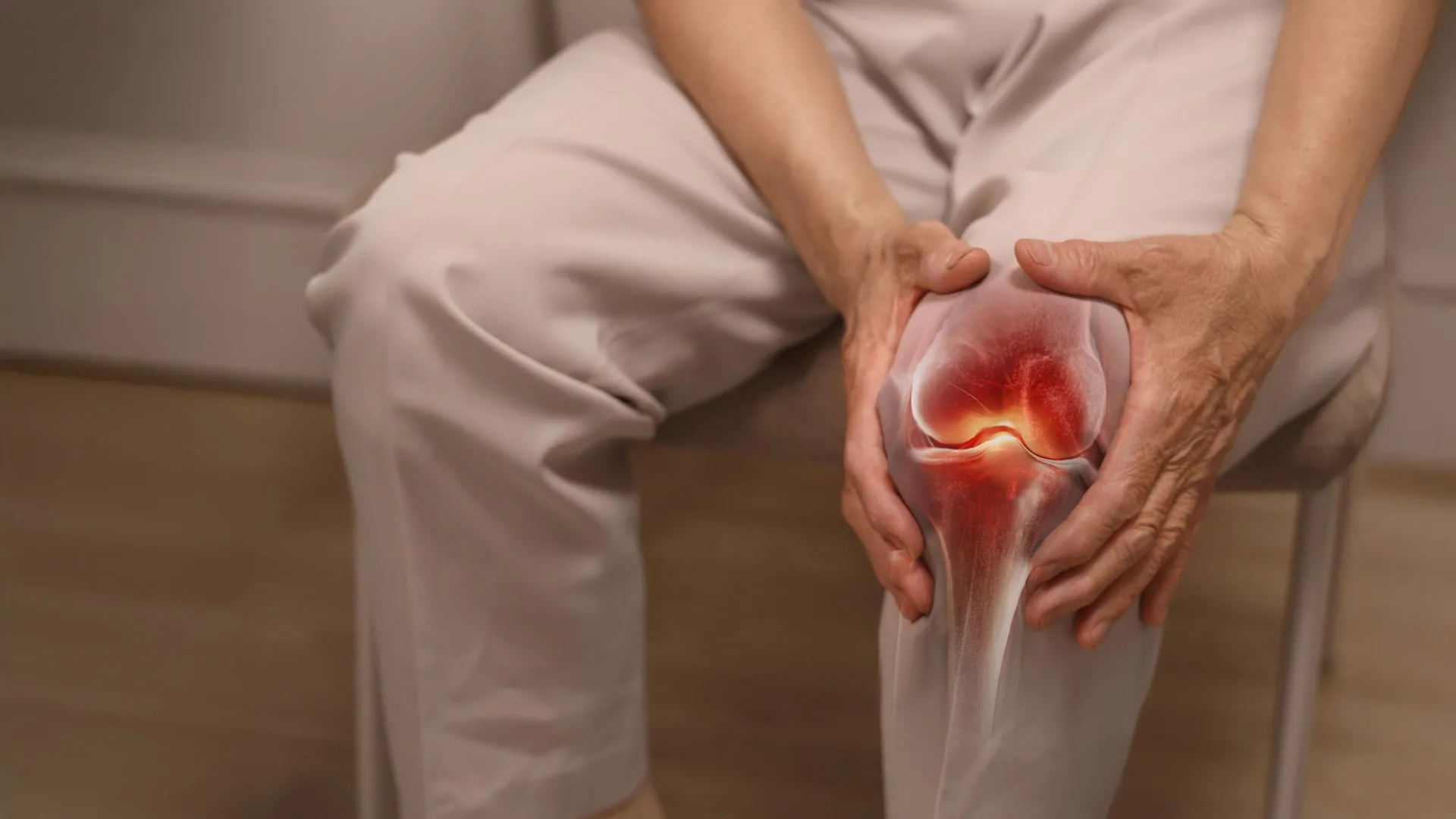
Stiff knees, sore hips, and persistent joint pain are often brushed off as normal signs of aging. But osteoarthritis, the most common joint disease worldwide, is not being treated in line with what research actually shows. Experts say the biggest gap is not a lack of options, but a failure to use the most effective one.
The most powerful treatment is not found in a prescription bottle or an operating room. It is movement. Yet in many countries and healthcare systems, patients are rarely directed toward the one therapy proven to reduce pain and protect joints: exercise.
Exercise is widely recognized as one of the most effective treatments for long term joint conditions such as osteoarthritis. Even so, only a minority of patients are prescribed it.
Studies from Ireland, the UK, Norway, and the United States reveal a consistent pattern. Fewer than half of people diagnosed with osteoarthritis are referred to exercise programs or physical therapy by their primary care provider. More than 60 percent receive treatments that clinical guidelines do not recommend, and about 40 percent are referred to a surgeon before non surgical options have been properly explored.
Why Exercise Protects Your Joints
To understand why this matters, it helps to look at how joints actually function. Osteoarthritis is the most common type of arthritis, already affecting more than 595 million people globally.
A major analysis published in The Lancet estimates that the number of people living with osteoarthritis could approach one billion by 2050. Longer lifespans, more sedentary habits, and rising rates of overweight and obesity are fueling this increase.
Regular physical activity does more than ease symptoms. It can biologically and physically lower the risk of developing osteoarthritis and reduce its severity.
Cartilage, the smooth tissue that cushions the ends of bones, does not have its own blood supply. It depends on movement to stay healthy.
When you walk or put weight on a joint, cartilage is gently compressed, pushing fluid out. When the pressure is released, it draws fluid back in, bringing nutrients and natural lubricants with it. Each step helps nourish and maintain the joint.
This is why describing osteoarthritis as simple “wear and tear” is misleading. Joints are not like tires that inevitably break down over time.
Instead, osteoarthritis is better understood as a long process of breakdown and repair. Regular movement plays a central role in supporting healing and maintaining the health of the entire joint.
Osteoarthritis Is a Whole Joint Disease
Osteoarthritis does not affect cartilage alone. It involves the entire joint, including joint fluid, underlying bone, ligaments, surrounding muscles, and even the nerves that control movement.
Targeted exercise addresses many of these components at once. Muscle weakness is one of the earliest warning signs of osteoarthritis, and resistance training can help reverse it. Strong evidence shows that weak muscles increase the risk of both developing osteoarthritis and experiencing faster progression.
Neuromuscular exercise programs such as GLA:D® (Good Life with osteoArthritis: Denmark) are designed specifically for people with hip and knee osteoarthritis. Typically offered in supervised group sessions led by physical therapists, these programs focus on improving movement quality, balance, and strength. The goal is to enhance joint stability and rebuild confidence in movement.
Participants in these programs have reported meaningful reductions in pain, better joint function, and improved quality of life lasting up to 12 months after finishing the program.
Exercise benefits the entire body. It has proven advantages across more than 26 chronic diseases. In osteoarthritis, its impact goes beyond strengthening muscles and supporting cartilage. It also addresses inflammation, metabolic changes, and hormonal shifts that contribute to the disease.
Inflammation, Obesity, and Joint Damage
Obesity is a major risk factor for osteoarthritis, and the reason is not just added stress on the joints. Excess body fat is linked to higher levels of inflammatory molecules in the bloodstream and joint tissues. These substances can damage cartilage and speed up disease progression.
Regular physical activity helps counter these effects at a molecular level. It can lower inflammatory markers, reduce cell damage, and even influence gene expression in ways that support joint health.
Exercise Before Surgery
There are currently no medications that can change the underlying course of osteoarthritis. Joint replacement surgery can be transformative for some people, but it is a major procedure and does not work equally well for everyone.
Exercise should be the first step and remain part of care at every stage of the disease. It carries far fewer risks than surgery and provides broad health benefits beyond the joints.
Osteoarthritis is not simply about “worn out” joints. It is shaped by muscle strength, inflammation, metabolism, and lifestyle factors.
Regular, structured exercise addresses many of these drivers at the same time, helping protect cartilage, support the entire joint, and improve overall health. Before turning to surgery, movement remains one of the most effective treatments available.
Story Source:
Materials provided by The Conversation. Original written by Clodagh Toomey, Physiotherapist and Associate Professor, School of Allied Health, University of Limerick. Note: Content may be edited for style and length.
Cite This Page:
📰 This article was curated and published by
HEALTH GUIDANCE HUB
— your trusted source for the latest health news, medical research, and wellness guidance.
Visit us at https://healthguidancehub.space/ for more health insights.
