


Popular fruits and vegetables linked to higher pesticide levels
Your fruit and veggie choices may be leaving more than vitamins in your systemâthey could also be raising pesticide levels.
- Date:
- March 4, 2026
- Source:
- Environmental Working Group
- Summary:
- A sweeping new study reveals that whatâs on your plate may directly shape the pesticides circulating in your body. Researchers found that people who eat more fruits and vegetables known to carry higher pesticide residuesâsuch as strawberries, spinach, and bell peppersâalso have significantly higher levels of those chemicals in their urine. While produce remains a cornerstone of a healthy diet, the findings highlight how everyday food choices can drive real-world exposure to substances linked to cancer, hormone disruption, and developmental harm.
- Share:
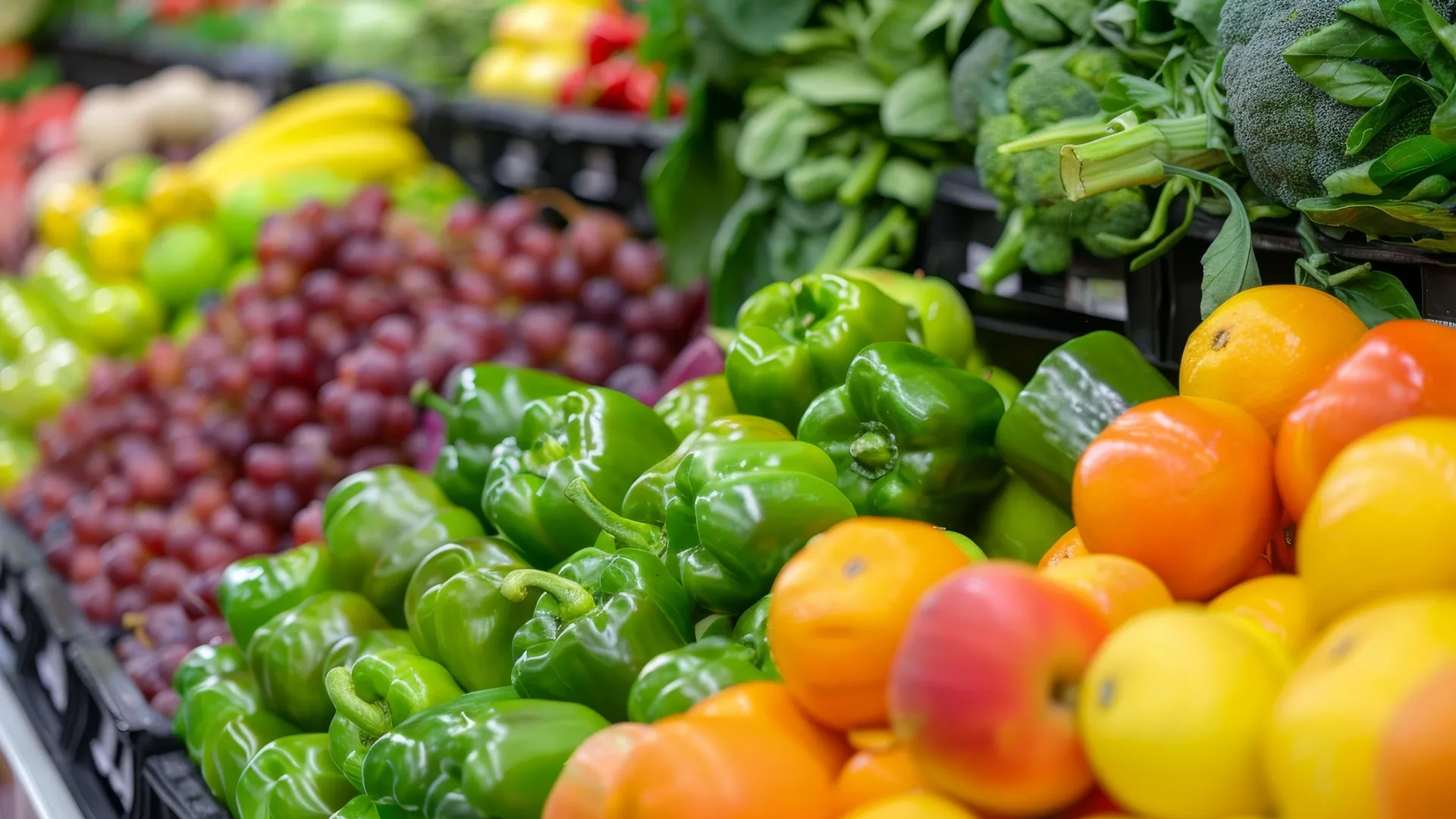
Certain fruits and vegetables may raise the amount of pesticide chemicals found in the human body, according to a new peer reviewed study conducted by scientists at the Environmental Working Group (EWG).
Pesticides have been associated with cancer, reproductive problems, hormone interference, and nervous system harm in children. Because traces of these chemicals are frequently detected on produce, many consumers may be exposed through their diet. Researchers say the findings could help guide future studies on how long term dietary exposure to pesticides affects human health.
“The findings reinforce that what we eat directly affects the level of pesticides in our bodies,” said Alexis Temkin, Ph.D., vice president for science at EWG and lead author of the study. “Eating produce is essential to a healthy diet, but it can also increase exposure to pesticides.”
Higher Residue Produce Linked to Higher Pesticide Levels
People who reported eating larger amounts of fruits and vegetables known to carry higher pesticide residues, including strawberries, spinach and bell peppers, showed significantly higher pesticide levels in their urine than those who mostly consumed lower residue produce. The results point to diet as a key driver of pesticide exposure and lay the groundwork for examining potential long term health effects.
“This study builds on previous work showing that certain fruits and vegetables are a major route of pesticide exposure for millions of Americans,” said Temkin. “Young children and pregnant people are particularly susceptible to the harms from exposure.”
How Researchers Measured Pesticide Exposure
The study appeared in the International Journal of Hygiene and Environmental Health.
To conduct the analysis, EWG researchers gathered U.S. Department of Agriculture data on pesticide residues in produce collected between 2013-2018. They combined those findings with dietary survey responses and urine biomonitoring data from 1,837 participants in the Centers for Disease Control and Prevention’s National Health and Nutrition Examination Survey, or NHANES, from 2015 to 2016. These datasets represent the most recent years with extensive pesticide tracking. NHANES biomonitoring data are currently available only through 2018.
Using this information, scientists developed a “dietary pesticide exposure score” designed to estimate an individual’s exposure based on the types of fruits and vegetables consumed and the residue levels detected on those foods. The score accounted for how frequently specific pesticides were found, the amounts detected, and the relative toxicity of each chemical.
Researchers then compared those exposure scores with 15 pesticide biomarkers measured in participants’ urine. These biomarkers represented three major pesticide categories: organophosphates, pyrethroids and neonicotinoids.
The analysis showed a strong association between the types of produce people ate and the levels of pesticide biomarkers detected in their urine. In short, pesticide exposure varied depending on both dietary choices and residue levels on those foods.
Key Findings on Diet and Pesticide Mixtures
In addition to confirming the link between higher residue produce and increased pesticide levels in the body, the study identified several important patterns:
Diet plays a major role. People who ate more produce with high pesticide residues were more likely to have those chemicals detected in their urine compared to those who chose lower residue options.
Monitoring gaps remain. NHANES tracks only a portion of the pesticides found on food and examined in this research. Since people are exposed to many different agricultural chemicals, broader monitoring may be needed.
Exposure involves mixtures. Fruits and vegetables tested by the USDA contained measurable residues of 178 different pesticides. However, only 42 of those chemicals corresponded to biomarkers measured in urine samples, suggesting that total exposure may be wider than current biomonitoring captures.
Potatoes complicated the analysis. The link between produce intake and pesticide levels became clear only after potatoes were removed from the dataset. Because potatoes are consumed in many forms, estimating pesticide exposure from them is more challenging. Additional research is needed to better understand how potato consumption affects overall pesticide exposure.
Questions About Pesticide Regulations
Much of the past research on pesticide exposure has focused on farm workers or residential use. This study highlights that everyday food choices can also contribute substantially to pesticide exposure among the general public.
Given the widespread exposure observed here and in other studies, the findings raise concerns about whether current safety standards set by the Environmental Protection Agency fully protect public health.
Although research has linked low level pesticide exposure to potential health risks, the EPA typically establishes limits for individual pesticides. These standards do not account for cumulative exposure to multiple pesticide residues that are commonly found together on produce tested by the USDA.
The researchers say their exposure scoring method could help regulators and scientists better evaluate real world dietary exposure and improve protections for vulnerable groups, especially children and people who are pregnant.
“This study was only possible thanks to robust federal data, highlighting why strong public health agencies must remain a top priority for policymakers,” said Varun Subramaniam, EWG science analyst.
“The pesticide residue tests and CDC biomonitoring data represent the kind of essential research that only the government can provide — at a scale that no private sector or academic effort could match,” he said.
What Consumers Can Do
EWG continues to encourage people to eat a diet rich in fruits and vegetables, whether conventionally grown or organic.
Research shows that switching from conventional produce to organic options, which are not grown using certain synthetic pesticides, can significantly lower pesticide biomarkers in the body within just a few days.
When possible, EWG recommends prioritizing organic purchases for the most contaminated items listed in its Shopper’s Guide to Pesticides in Produce. The guide features the “Dirty Dozen” list of the produce with the highest pesticide residues detected and the “Clean Fifteen” list of items with the lowest residues.
Story Source:
Materials provided by Environmental Working Group. Note: Content may be edited for style and length.
Journal Reference:
- Alexis M. Temkin, Varun Subramaniam, Alexa Friedman, Elvira Fleury, Dayna de Montagnac, Chris Campbell, David Q. Andrews, Olga V. Naidenko. A cumulative dietary pesticide exposure score based on produce consumption is associated with urinary pesticide biomarkers in a U.S. biomonitoring cohort. International Journal of Hygiene and Environmental Health, 2025; 270: 114654 DOI: 10.1016/j.ijheh.2025.114654
Cite This Page:
📰 This article was curated and published by
HEALTH GUIDANCE HUB
— your trusted source for the latest health news, medical research, and wellness guidance.
Visit us at https://healthguidancehub.space/ for more health insights.
